Protests Sweep Across Europe Again as Italy and Portugal Face Growing Unrest
Brivify – Protests Sweep across parts of Europe again as public frustration becomes increasingly visible on city streets. After demonstrations in France, fresh rallies emerged in Italy and Portugal over the weekend of October 24–25, 2026. However, the concerns behind these gatherings are not exactly the same. Italian demonstrators raised issues ranging from war to the rising cost of living. Meanwhile, housing affordability became a major concern in Portugal. Together, these events offer a wider picture of social pressure across parts of Europe. For many protesters, the debate is no longer about distant economic figures. Instead, it is about rent, household costs, opportunities, and confidence in the future.
Italian Cities Become the Focus of Fresh Demonstrations
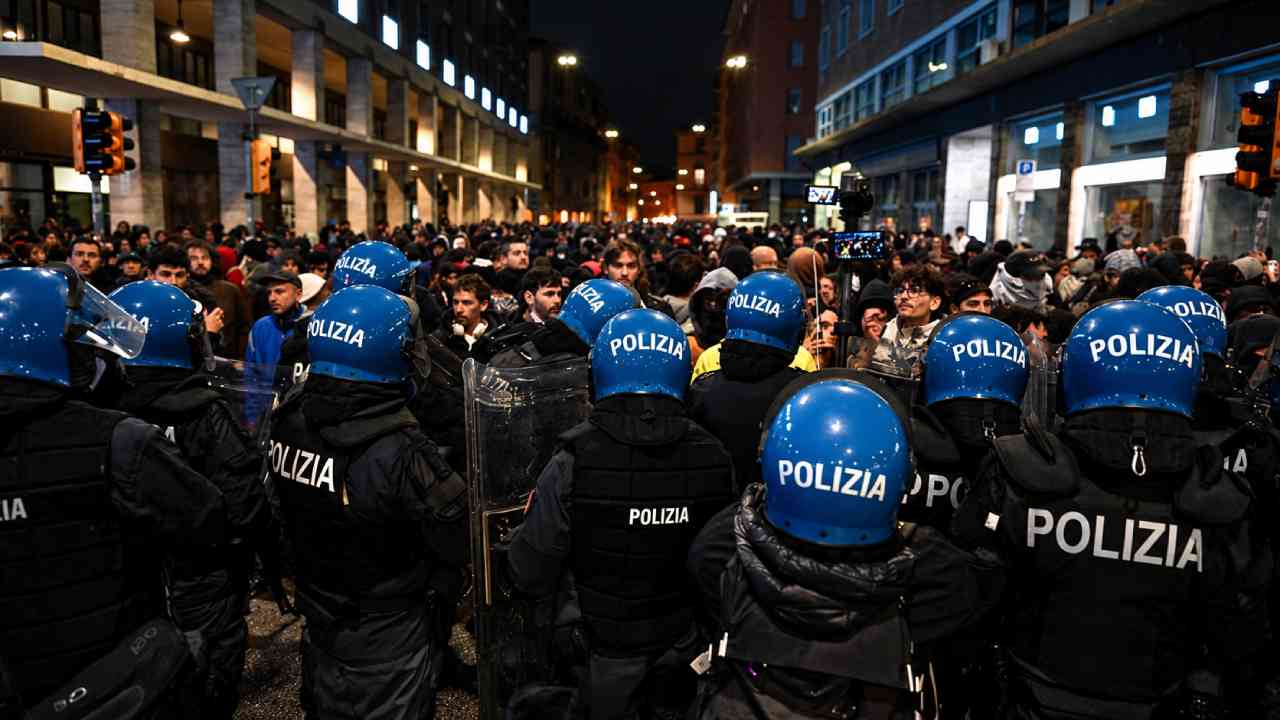
Several major Italian cities saw demonstrations on Saturday, October 24. Crowds gathered to voice concerns about war and the rising cost of living. However, the atmosphere varied significantly between locations. Tensions escalated in Turin, Rome, and Bologna, while demonstrations in Milan remained largely peaceful. This contrast matters because nationwide protest movements rarely develop in exactly the same way everywhere. Local conditions, crowd size, policing, and the behavior of individual groups can change the atmosphere quickly. Nevertheless, the presence of demonstrations across several cities showed that public frustration had moved beyond one isolated gathering.
Security Tightens as Authorities Prepare for Larger Crowds
Italian authorities had already prepared for another difficult weekend. Calls for further demonstrations had circulated on social media during the week. Therefore, police presence increased in several areas before crowds arrived. Many businesses also chose to close temporarily as a precaution against possible damage. For residents, the visible security measures changed the atmosphere of normally busy urban areas. Streets associated with shopping and daily routines suddenly became spaces shaped by barriers, police units, and large gatherings. Moreover, the precautions highlighted how quickly a protest can affect people who are not directly participating in it.
Read Also: Eight Used Classics Under £10k with Lasting Appeal
Rising Living Costs Remain Close to Everyday Life
The cost of living may sound like a broad economic issue, yet its impact is deeply personal. Higher everyday expenses can influence food choices, transportation, savings, and housing decisions. As a result, economic pressure often becomes more noticeable when households must adjust ordinary routines. This helps explain why living costs can become such a powerful issue during periods of public dissatisfaction. People do not experience inflation only through charts or economic reports. They experience it while paying bills or planning monthly budgets. Therefore, frustration can build gradually before becoming visible through demonstrations and other forms of public action.
Portugal Faces a Different but Connected Pressure
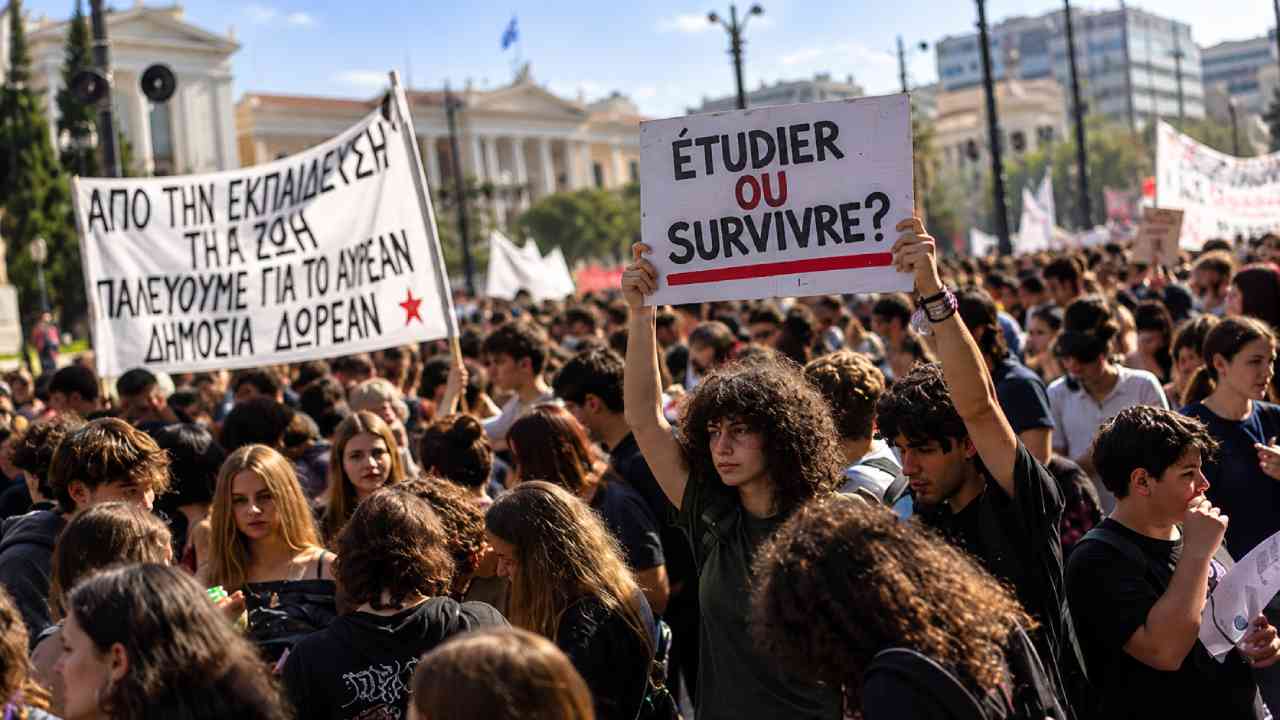
While Italy dealt with demonstrations across several cities, Portugal faced growing anger over housing. Lisbon became a focal point after protesters established a camp in the city center. More than 100 tents were reportedly set up following a demonstration attended by thousands of people. The temporary camp gave the housing debate a powerful visual symbol. Instead of discussing affordability through statistics alone, protesters placed the issue directly in a prominent public space. For many participants, the message was simple: finding an affordable place to live has become increasingly difficult, particularly for younger people trying to build independent lives.
Lisbon’s Housing Problem Reaches a Younger Generation
Portugal has experienced a sharp rise in property costs over recent years. According to the figures provided around the demonstrations, property prices have more than doubled since 2017. Rents for new contracts have also almost doubled. These changes can create particular pressure for younger adults. Someone entering university or starting a career may face housing costs that are very different from those experienced by an earlier generation. Consequently, decisions about work, independence, and long-term plans can become tied to the housing market. The debate is therefore about more than property. It also concerns whether younger residents feel they can realistically build a future in the places where they study and work.
Young Protesters Question What Their Future Will Look Like
The concerns of younger demonstrators became especially visible in Lisbon. Among them was 21-year-old multimedia communication student Vitor Gomes. He raised concerns about housing speculation, concentrated wealth, and growing inequality. His perspective reflects a broader question surrounding the protests. What happens when young adults begin to believe that traditional milestones are moving beyond their reach? Housing plays an important role in that discussion because it affects independence and long-term stability. Moreover, frustration can deepen when rising prices appear disconnected from ordinary income growth. For younger protesters, taking to the streets can therefore become a way to express concern about the direction of their future.
The Lisbon Protest Camp Ends Before Dawn
The mood in central Lisbon changed during the early hours of Sunday, October 25. Police moved into the protest camp at Rossio Square after demonstrators had previously been told to remove their tents. Dozens of officers arrived, with some accompanied by dogs. Authorities then cleared the camp and made several arrests. Minor injuries were also reported, although a precise number was not immediately available in the information surrounding the incident. The operation transformed a housing demonstration into a tense encounter between protesters and police. More importantly, it ensured that the affordability debate remained highly visible even after the tents disappeared from the square.
Different Protests Share a Familiar Economic Undercurrent
Italy and Portugal are not dealing with identical situations. The demonstrations in Italy included opposition to war alongside concerns about living costs. Portugal’s protests placed housing affordability closer to the center. Still, a common thread can be seen. Economic and social pressures become politically important when they affect ordinary decisions. A household struggling with expenses may delay purchases. A young worker facing expensive rent may postpone moving out. Another person may reconsider where to live entirely. These individual choices rarely attract attention on their own. However, when thousands of people share similar frustrations, those concerns can eventually become visible in public spaces.
Social Media Changes How Modern Protests Develop
Modern demonstrations can grow faster because information no longer depends on traditional organizing methods. In Italy, calls for further rallies circulated through social media before the weekend. This allows information about locations and planned gatherings to reach large groups quickly. At the same time, it creates new challenges for authorities. Crowd size and movement can change rapidly, while videos from one city may influence reactions elsewhere. Social media can also amplify dramatic moments more quickly than calm ones. Therefore, understanding a protest through isolated clips can be misleading. The wider context, including the demands of participants and local conditions, remains important.
Public Squares Become Places for Wider Social Debate
City streets and public squares have historically offered people a visible place to express dissatisfaction. That role remains important in the digital era. Online discussions may spread information quickly, but physical gatherings create a different kind of pressure. They make social concerns difficult to ignore. In Lisbon, tents turned a housing debate into something people could physically see. In Italian cities, crowds transformed familiar streets into spaces for political and economic expression. However, public demonstrations can also create disruption and security concerns. The challenge for authorities is balancing public order with the ability of people to express their views peacefully.
Protests Sweep Through a Europe Facing Uneven Pressures
As Protests Sweep through parts of Europe, it would be too simple to describe every demonstration as part of one single movement. France, Italy, and Portugal each have their own political and economic context. Still, the events reveal how quickly everyday pressures can become public issues. Living costs, housing, education, inequality, and concerns about the future can feel abstract until they affect daily choices. Once that happens, dissatisfaction can become harder to contain within private conversations. The next phase will depend partly on how governments respond. For now, the streets of several European cities are showing that economic pressure is not only measured through statistics. It is also measured through how people feel about the lives they can realistically afford.


Post Comment