Trump Faces Growing Republican Backlash After Midterm Election Defeat
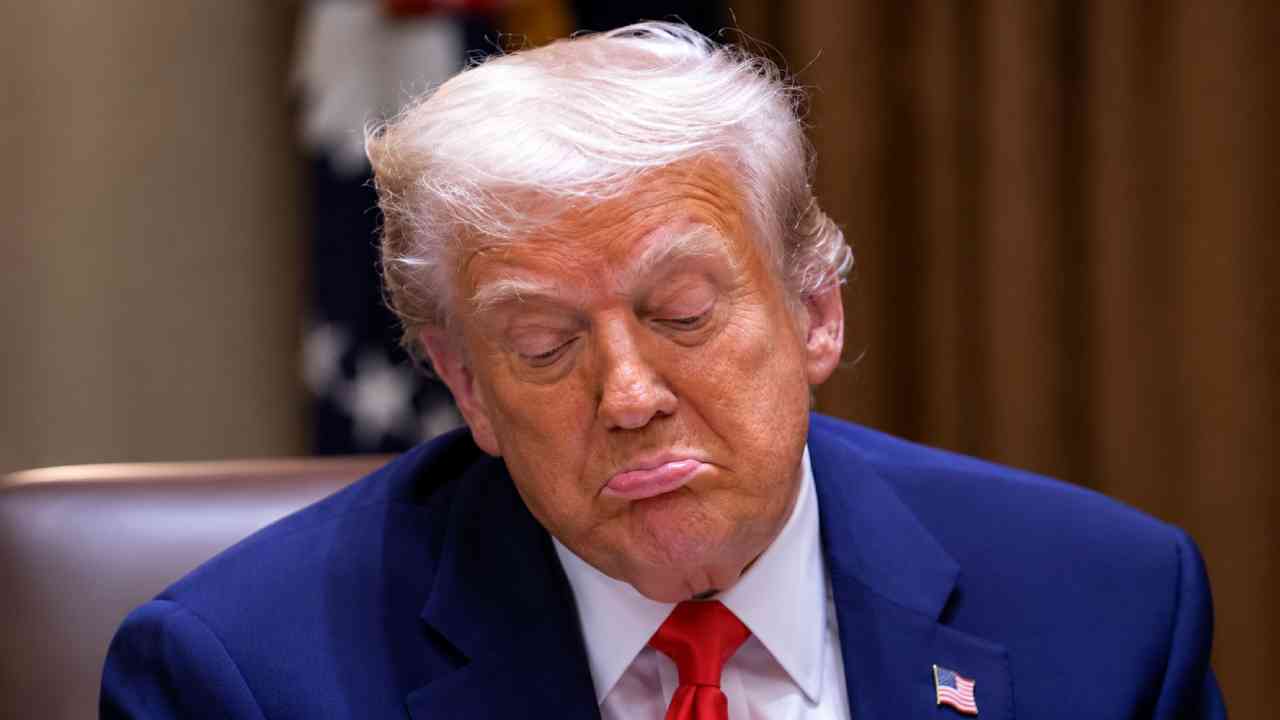
Brivify – Trump Faces Growing criticism within the Republican Party following its disappointing performance in the 2026 United States midterm elections. Several Republican figures have questioned whether President Donald Trump’s leadership affected voter confidence. The election results have also sparked debate about the party’s future direction. For many Republicans, the defeat represents more than a temporary political setback. It raises concerns about public trust, campaign priorities, and the administration’s broader agenda. Meanwhile, Democratic victories have changed the balance of power in Congress. As a result, Republican leaders face growing pressure to understand why voters shifted their support. Some believe the president’s policies played a major role. Others argue that local campaigns and economic concerns also influenced the outcome. Nevertheless, the election has created a difficult moment for a party seeking to rebuild its political strength.
Republican Frustration Reveals Deeper Divisions Within the Party
The Republican response to the midterm defeat has exposed disagreements that were previously less visible. While some members continue to defend Trump, others have become more willing to question his political approach. Their concerns extend beyond individual election campaigns. Instead, they focus on whether the party has become too closely tied to the president’s public image. This debate matters because congressional candidates often depend on support from voters with different political priorities. For example, a candidate may appeal to local communities while facing criticism over national policies. Consequently, the president’s reputation can influence races far beyond Washington. Republican leaders must now consider how to maintain party unity while addressing these concerns. However, finding common ground may become difficult as competing factions propose different solutions.
Donald Trump’s Public Image Becomes a Major Political Concern
Presidential popularity often shapes the political environment during midterm elections. When voters feel dissatisfied with an administration, they may express their frustration through congressional races. This dynamic has become central to the Republican debate following the 2026 results. Several party figures believe Trump’s declining appeal made certain contests more difficult. Moreover, controversial political decisions may have increased doubts among independent voters. These voters often play an important role in competitive districts. However, public opinion does not change for one reason alone. Economic conditions, candidate experience, and regional concerns can also shape election outcomes. Therefore, Trump’s image should be viewed as one part of a broader political picture. The challenge for Republicans involves understanding how national leadership influences local voter behavior.
Read Also: Audi Nuvolari Brings R8 Spirit to a 1,001-BHP Hybrid Supercar
Democratic Gains Highlight Changes in Voter Expectations
Democratic successes in several traditionally conservative areas have raised questions about changing voter priorities. Political loyalty can remain strong for years, yet it is rarely permanent. When voters become concerned about leadership or economic stability, they may reconsider familiar choices. The 2026 midterm results illustrate this possibility. Furthermore, competitive races show that candidates cannot rely entirely on historical party support. They must also address the practical concerns of their communities. For Democrats, these gains create opportunities to strengthen their national influence. However, electoral success also brings greater responsibility. Voters will expect meaningful responses to the issues that shaped their decisions. Meanwhile, Republicans must examine whether their campaign messages reflected current public concerns. Understanding these changes could influence future election strategies.
Economic Concerns Add Pressure to Republican Leadership
Economic conditions remain an important part of American political life. Families regularly consider household expenses, employment opportunities, and financial security when evaluating government performance. Therefore, economic dissatisfaction can influence congressional elections even when candidates focus on other issues. Republican leaders now face questions about whether their political messaging adequately addressed these concerns. For example, trade policies and tariffs can create uncertainty for businesses and consumers. Meanwhile, rising household costs may leave voters less patient with political disagreements. Although economic outcomes depend on many factors, public perceptions can strongly affect elections. As a result, both major parties must explain how their policies may improve everyday life. For Republicans, rebuilding trust may require clearer communication about practical economic priorities rather than relying mainly on political loyalty.
Foreign Policy Decisions Intensify Internal Republican Debate
Foreign policy has become another source of disagreement among Republican figures. The conflict involving Iran has drawn particular attention because of its political and security implications. Some Republicans have expressed frustration over the administration’s handling of military decisions. Meanwhile, Democratic candidates have used opposition to the conflict to distinguish their positions. These differences can matter to voters concerned about national security and the consequences of prolonged military involvement. However, foreign policy rarely operates separately from domestic politics. Military spending, diplomatic tensions, and economic uncertainty can affect public attitudes at home. Consequently, congressional candidates may face difficult questions about decisions they did not directly control. The debate also highlights the importance of clear communication between the executive branch and Congress.
Immigration and Trade Policies Remain Divisive Issues
Immigration and trade have been central elements of Trump’s political agenda. Supporters often view tougher enforcement and protective trade measures as necessary steps. Critics, however, question their social and economic consequences. Following the midterm defeat, these disagreements have gained renewed attention within Republican discussions. Some party members worry that strict policy positions may discourage moderate voters. Others believe changing course could weaken support among the party’s traditional base. Therefore, Republican leaders face a complicated political calculation. They must consider both voter expectations and the practical effects of government decisions. Additionally, campaign strategies may need to reflect differences between urban, suburban, and rural communities. A single national message may not address every local concern. This tension could shape the party’s future policy debates.
Congressional Losses Create New Challenges for Trump’s Administration
Changes in congressional control can significantly affect a president’s ability to advance legislation. Following the Republican midterm defeat, Trump’s administration faces a more challenging political environment. Democratic lawmakers may seek stronger oversight of executive decisions and government spending. Furthermore, passing major legislative proposals could require more negotiation across party lines. This shift does not eliminate presidential authority. However, it changes the political conditions surrounding important policy decisions. Republican lawmakers must also decide how closely to align themselves with the White House. Some may continue supporting the administration’s priorities. Others could adopt more independent positions to reflect their constituents’ concerns. Consequently, the relationship between Congress and the presidency may become an important feature of the remaining administration.
Republican Leaders Face Difficult Choices About Party Strategy
Rebuilding after a major election defeat requires more than identifying political mistakes. Republican leaders must also determine which changes could restore voter confidence. Some may favor a stronger focus on economic issues and local priorities. Meanwhile, others may argue that the party should maintain its existing political identity. Both approaches carry potential advantages and risks. For instance, changing campaign messages could attract independent voters but disappoint loyal supporters. Conversely, maintaining the same strategy may preserve the party’s base while limiting broader appeal. Therefore, Republican leaders need a careful assessment of election results across different regions. Candidate selection, community engagement, and policy communication could all become important considerations. Ultimately, the party’s ability to adapt may influence its competitiveness in future elections.
The Midterm Defeat Opens a New Chapter in American Politics
Trump Faces Growing political challenges as Republicans consider the consequences of their midterm election losses. The results have intensified questions about leadership, public expectations, and the party’s long-term direction. However, political setbacks do not automatically determine future outcomes. Parties can recover when they understand voter concerns and respond with credible policies. For Republicans, the immediate challenge involves balancing internal unity with demands for change. Meanwhile, Democrats must demonstrate that their electoral gains can translate into effective governance. American voters will continue evaluating both parties through economic conditions, policy decisions, and political accountability. Therefore, the significance of the 2026 midterms extends beyond one election cycle. The coming political debates may reveal whether Republicans can rebuild confidence while navigating their complicated relationship with Trump.


Post Comment