Four Oil Tankers Reportedly Burn as Hormuz Tensions Escalate
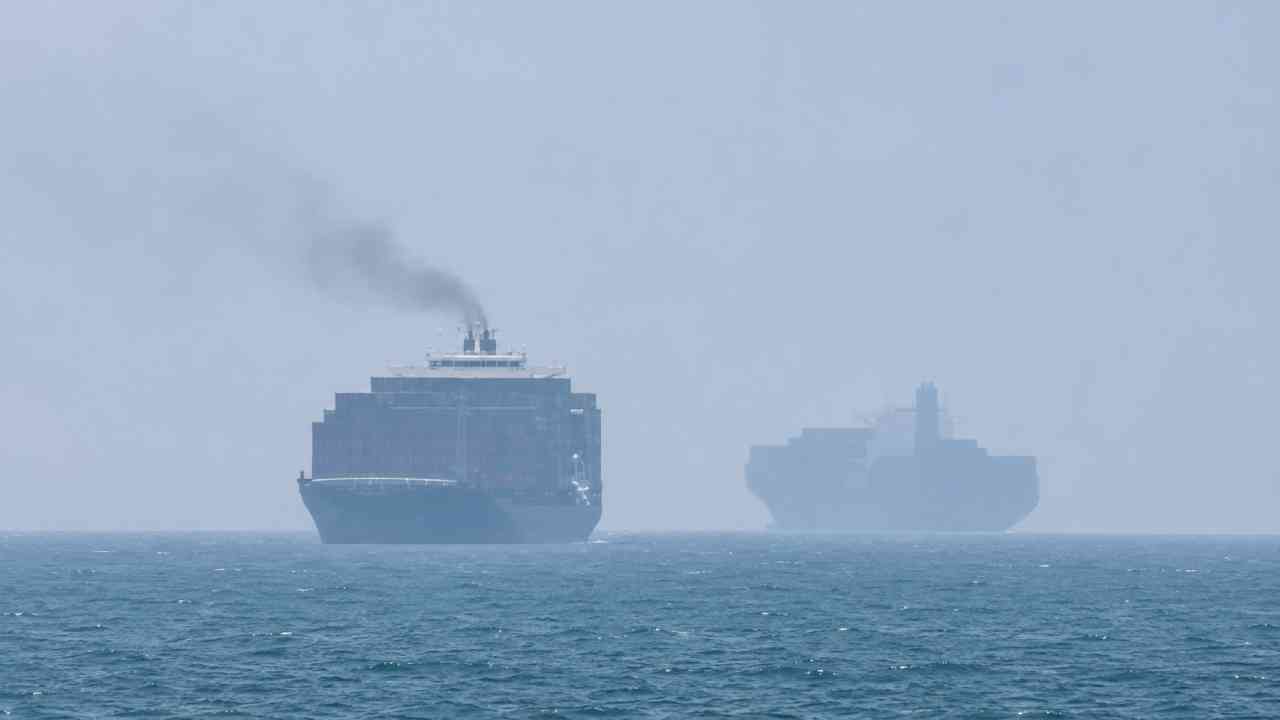
Brivify – Four oil tankers reportedly caught fire in the Strait of Hormuz, raising fresh concerns about maritime security. Iranian military officials announced the incidents on Thursday, November 12, 2026. According to Tehran, the vessels entered shipping routes that Iran considers restricted. The reported explosions occurred amid continuing tensions involving Iran and the United States. However, independent confirmation of all four incidents remains limited. The reports have renewed attention on a waterway that plays a major role in global energy transportation. Meanwhile, shipping companies face difficult decisions about routes, safety, and operational risks. The latest developments also highlight the uncertainty surrounding maritime activity in the Persian Gulf. Although some shipping traffic has recovered, security concerns remain significant. For international energy markets, the situation represents another reminder of how regional conflicts can affect global trade.
Oil Tankers Reportedly Caught Fire in Separate Hormuz Incidents
Iranian military authorities reported two separate incidents involving four oil tankers near the Strait of Hormuz. The Islamic Revolutionary Guard Corps, or IRGC, described explosions involving two supertankers. According to its statement, the vessels entered a southern shipping route without Iranian authorization. The explosions reportedly disabled both ships and caused fires. Later, Iran’s regular military announced another incident involving two tankers in the eastern part of the strait. Iranian state television linked those fires to suspected naval mines. However, Reuters reported that it could not independently verify the Iranian account. The authorities also provided limited identifying information about the vessels. Consequently, important questions remain about their ownership, cargo, and crews. These uncertainties matter because early reports from conflict zones can change as new evidence emerges. For now, the four-tanker account should be understood as an Iranian military claim rather than a fully established sequence of events.
Iranian Shipping Restrictions Intensify Maritime Security Concerns
The Strait of Hormuz has faced tighter shipping restrictions since the regional war began in February 2026. Iran has sought to control vessel movements through routes approved by its military authorities. Tehran considers certain passages dangerous or unauthorized, particularly sections of the southern corridor. Consequently, commercial vessels face additional challenges when planning journeys through the waterway. Iranian officials have repeatedly warned ships against entering restricted areas. Meanwhile, the United States has maintained a naval blockade targeting Iranian ports. American forces have also supported tanker movements through the strait. These competing military measures create a complicated environment for commercial shipping. Vessel operators must consider official maritime advisories, security threats, and changing operational conditions. However, a military warning does not independently establish responsibility for a subsequent explosion. Understanding the distinction between reported violations and confirmed incidents remains essential when assessing the latest developments.
Read Also: Bletchley Park Officer’s 1964 Aston Martin DB5 Heads to Auction
Two Supertankers Reportedly Disabled After Powerful Explosions
The IRGC Navy said two supertankers suffered explosions after entering a route it had declared unauthorized. Iranian officials claimed the vessels had ignored repeated warnings about the dangers of that passage. According to the Iranian account, the explosions left both tankers unable to continue sailing. The Guards also claimed the ships carried more than four million barrels of oil combined. However, independent verification of the cargo figure and the reported damage was not immediately available. The authorities did not provide complete details about the vessels’ identities or their crews. Therefore, the scale of the emergency remains difficult to assess. A tanker fire can present serious challenges because large vessels may carry substantial quantities of combustible cargo. Nevertheless, the presence of oil does not establish how much cargo burned or escaped. Reliable assessments require vessel records, damage reports, and independent maritime evidence.
Naval Mine Claims Raise Questions About the Remaining Tankers
Iran’s regular military provided a separate account of two additional tanker fires. According to state television, the vessels struck naval mines while crossing the eastern Strait of Hormuz. Iranian officials also accused the ships of entering restricted waters. However, the available statements did not identify the tankers or provide independently verified evidence of mine strikes. This uncertainty is important because explosions at sea can have different causes. Maritime security authorities have also documented incidents involving unidentified projectiles in the region. Furthermore, American military statements about mine-clearing operations have conflicted with Iranian claims about remaining hazards. These differences complicate efforts to establish what happened. Investigators would need reliable information about damage patterns, vessel positions, and possible explosive devices. Until such evidence becomes available, the reported mine strikes should remain attributed to Iranian authorities rather than presented as confirmed findings.
Why the Strait of Hormuz Matters to Global Oil Trade
The Strait of Hormuz connects the Persian Gulf with the Gulf of Oman and international shipping routes. Its geographical position makes it essential for energy exports from several Middle Eastern producers. Under normal conditions, the passage handles oil flows equivalent to roughly one-fifth of global consumption. Therefore, security developments in the strait attract attention far beyond the immediate conflict area. Oil producers depend on reliable transportation to reach international customers. Meanwhile, refiners and importers monitor possible disruptions to scheduled deliveries. Shipping companies must also evaluate insurance costs, vessel availability, and crew safety. However, a reported attack does not automatically mean that global oil supplies have stopped. Market reactions depend on the severity and duration of any disruption. Alternative supply arrangements and existing inventories can also influence the outcome. Even so, repeated incidents can increase uncertainty across energy transportation networks.
Maritime Security Reports Highlight Wider Regional Risks
The latest Iranian statements emerged during a period of repeated attacks on commercial vessels. According to Reuters, at least ten ships were attacked during the first ten days of November. The report cited data from the Washington Institute for Near East Policy. It also noted 37 attacks during October, the highest monthly total since the conflict began. Separately, the Joint Maritime Information Center published an advisory covering incidents through November 12. Its assessment classified the regional maritime threat level as severe. The advisory documented attacks involving tankers and other commercial vessels. Some reports described unidentified projectiles rather than confirmed naval mines. Consequently, these records should not automatically be treated as verification of Iran’s four-tanker account. However, they demonstrate the broader dangers facing shipping crews. For maritime operators, consistent security monitoring remains important as conditions change across the region.
Rising Tensions Create Difficult Choices for Shipping Operators
Commercial shipping depends on predictable routes, clear communication, and reliable safety information. However, conflict in the Strait of Hormuz has weakened that predictability. Shipowners must weigh commercial commitments against potential threats to their vessels and crews. Meanwhile, charterers and insurers must consider how changing risks affect transportation arrangements. A delayed voyage can create additional costs even without physical damage. Furthermore, repeated security incidents may complicate scheduling and cargo delivery plans. These pressures can extend through supply chains that depend on timely energy shipments. Nevertheless, operators cannot assess every incident through military statements alone. Independent maritime advisories provide another important source of information. Coordination with relevant authorities also helps companies understand changing conditions. Ultimately, protecting crews should remain central to operational decisions. The current situation shows how quickly regional security concerns can become practical challenges for international trade.
International Attention Turns Toward Evidence and Shipping Safety
The reported tanker fires have renewed questions about security, accountability, and freedom of commercial navigation. Iran maintains that vessels entering restricted routes face serious dangers. Meanwhile, American military operations continue to influence shipping conditions around the strait. These opposing positions have created uncertainty for businesses that rely on maritime transportation. However, the immediate priority is establishing reliable information about the reported incidents. Vessel identification, crew welfare, and verified damage assessments remain especially important. Independent findings could also clarify whether mines, projectiles, or other factors caused the explosions. Until then, reporting should clearly distinguish official claims from confirmed evidence. The broader conflict may continue to shape shipping decisions in the coming weeks. For global energy markets, stability depends partly on safe and predictable passage through this strategic waterway. Above all, the latest reports underline the human and economic importance of maritime security.



Post Comment