Grammy Awards 2026: Artists Protest ICE’s Repressive Actions
Brivify – Grammy Awards 2026 Artists Protest ICE’s Repressive Actions marked one of the most politically charged music award shows in recent years, as artists used one of the world’s biggest entertainment platforms to condemn the actions of the U.S. Immigration and Customs Enforcement (ICE). Far from being just a celebration of music and artistry, this year’s Grammy ceremony evolved into a moment of cultural resistance, where stars stood united to speak out against what many described as excessive and repressive actions by ICE agents across the United States.
“Read Also: China Reaffirms Policy Unchanged After Takaichi’s“
A Night of Music and Messages
The 68th Annual Grammy Awards took place at the Crypto.com Arena in Los Angeles on February 1, 2026. It drew millions of viewers worldwide. While the evening celebrated the best in music, it also became a platform for artists to speak out. They expressed concerns over recent immigration enforcement by ICE. Instead of only focusing on red-carpet couture and speeches, many performers and presenters used their visibility to highlight an urgent cause.
Bad Bunny’s Bold Statement
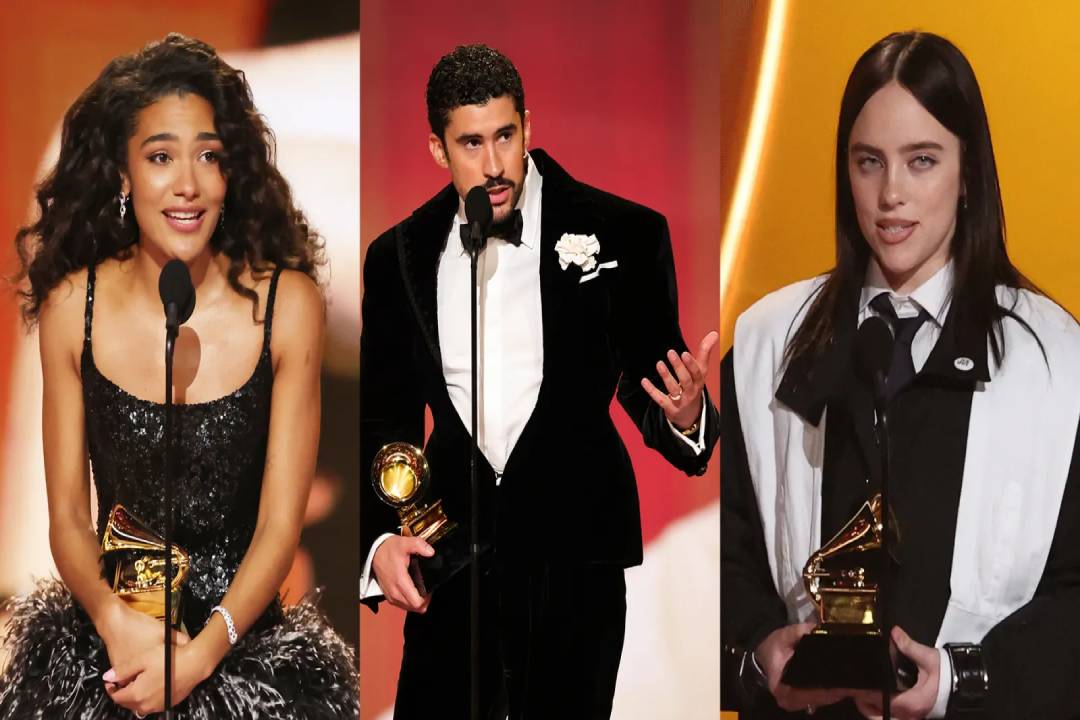
One of the ceremony’s most talked-about moments occurred when Puerto Rican artist Bad Bunny, who won Album of the Year, delivered an acceptance speech that captured the night’s mood. He declared “ICE out” to roaring applause, signaling his opposition to what he and others described as unchecked enforcement tactics by ICE agents. His comments reflected growing public frustration with the federal agency’s actions, which critics argue have been repressive and discriminatory.
Artists Wearing Their Beliefs
On the red carpet and throughout the venue, other musicians also made their stance clear through fashion and symbolism. Celebrities including Justin Bieber, Hailey Bieber, Billie Eilish, and veteran singer Joni Mitchell wore “ICE Out” pins and similar messages in support of immigrant rights. These subtle yet powerful symbols drew attention as much as the artists’ speeches themselves, reinforcing the core message of the event: music and activism can coexist on a global stage.
Billie Eilish’s Unfiltered Call for Change
Billie Eilish, another winner at the Grammys, used her acceptance speech to directly address the controversial immigration enforcement. She spoke passionately about the need to keep speaking up and protesting, asserting that “our voices really do matter.” Her declaration that “no one is illegal on stolen land” drew significant attention, both positive and critical. It also highlighted the growing trend of musicians actively engaging in social and political discourse.
Broader Public Reaction
The responses to these Grammy protests were mixed, illustrating the complex cultural moment in which they occurred. Many fans and commentators praised the artists for using their influence to highlight important issues. However, critics, including some government officials, labeled the statements as inappropriate for an entertainment event. This pushback only drew more attention to the conversation, expanding the reach of the protest messages beyond the music world.
“Read Also: Lamborghini Temerario 2026: The Ultimate Fusion o“
Why This Moment Matters
The Grammy Awards protest was not happening in a vacuum. It coincided with broader nationwide reactions to high‑profile immigration enforcement operations and violent incidents involving federal agents. The willingness of influential artists to voice their concerns in such a public forum highlights the increasing intersection between cultural platforms and political activism — a reality that continues to shape public discourse in 2026.
Celebrities and the Power of Platform
What made the Grammy Awards moment particularly impactful is not just the content of the protest, but the platform itself. The Grammys remain one of the most watched and influential awards ceremonies globally, with millions tuning in for music and entertainment. By choosing to bring attention to alleged repression by ICE, performers leveraged that global audience to amplify a message that might otherwise have remained confined to news or advocacy channels. This strategic use of celebrity influence shows how modern activism often embraces cultural events as opportunities for visibility and change.
The Future of Music and Activism
Looking forward, the Grammy Awards 2026 protest could inspire similar moments in future cultural ceremonies. As artists continue to navigate their roles as entertainers and public figures, many may feel compelled to speak on issues that matter deeply to them and their audiences. Whether it’s immigration, human rights, or other social concerns, the bridge between music and meaningful protest may grow stronger in the years to come.