China Reaffirms Policy Unchanged After Takaichi’s Victory
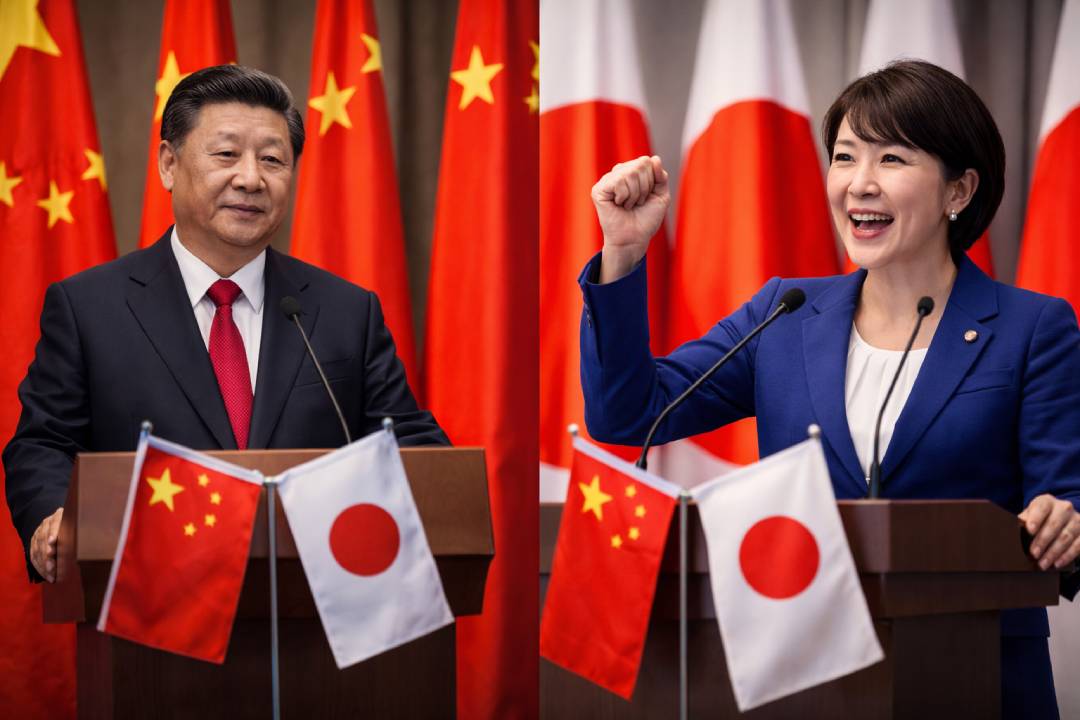
Brivify – China Reaffirms Policy Unchanged After Takaichi’s Victory Following the recent victory of Japan’s Liberal Democratic Party (LDP), led by Prime Minister Sanae Takaichi, China has reaffirmed that its policy towards Japan will remain unchanged. Despite the political shifts in Japan, Beijing emphasized that the longstanding approach to diplomatic relations, especially concerning Taiwan, would not alter. The reaffirmation underscores China’s commitment to stability in its foreign policy and highlights its demand for Japan to retract Takaichi’s controversial remarks on Taiwan. This ongoing stance aims to maintain consistent and peaceful relations between the two nations.
“Read Also: McLaren Unveils Papaya Livery for 2026 F1 Car as“
Political Stability in China’s Approach
China’s position on Japan’s political developments has always been steady and focused on maintaining long-term stability. Despite the political changes in Japan, China’s approach towards Japan is rooted in its core national interests and diplomatic priorities. The statement made by China’s Ministry of Foreign Affairs highlights that regardless of the outcome of Japanese elections, China will not change its core policy, particularly concerning Taiwan, which remains a sensitive issue for Beijing.
Tensions Following Takaichi’s Comments
Takaichi’s remarks, suggesting that China’s military actions toward Taiwan could threaten Japan’s survival, have sparked tensions between Beijing and Tokyo. China strongly disapproves of these comments, viewing them as a misrepresentation of its policy. Lin Jian, a spokesperson for China’s Ministry of Foreign Affairs, stated that such remarks undermine trust and peace efforts between the two nations
The Call for Japan to Reconsider Its Stance
In response to Takaichi’s statements, China called on Japan to reconsider its position and retract the controversial remarks. Lin Jian stressed that Japan should not ignore international concerns. He also urged Japan’s leadership to pursue peaceful development, in line with Japan’s post-WWII pacifist constitution. China’s message is clear: Japan’s leaders must honor past agreements and adhere to the commitments made in four key political documents between China and Japan.
China’s Consistent Foreign Policy
China has reiterated that its foreign policy towards Japan remains clear and consistent. Regardless of the political party in power, China expects Japan to respect existing agreements and its international obligations. Lin Jian emphasized that if Japan’s right-wing factions act recklessly, it could lead to resistance from both Japan’s people and the international community. China’s call for political consistency aims to maintain peace and stability in the region.
“Read Also: LBWK or Liberty Walk Body Kits: Extreme Design“
Impact of Takaichi’s Election Victory
Takaichi’s election victory gives her a strong mandate to advance her political agenda, including tax cuts and increased military spending. However, her ultra-conservative stance, especially on national security and Taiwan, strains relations with China. Despite these tensions, Takaichi’s political career gains momentum. Her image as a hardworking and straightforward politician has helped her rise in Japan’s male-dominated political landscape.
The Economic and Diplomatic Challenges Ahead
Takaichi’s victory gives her the chance to pursue key policy changes, such as stricter immigration controls and revitalizing Japan’s economy. However, it also presents economic and diplomatic challenges. The growing tensions between China and Japan, particularly over Taiwan and military issues, could strain bilateral relations further. The challenge for both nations will be to manage these tensions while also addressing economic and security concerns.
In conclusion, China’s reaffirmation of its unchanged policy towards Japan, despite Takaichi’s victory, highlights the country’s long-term commitment to foreign relations. While political dynamics in Japan may shift, China remains focused on maintaining regional stability and peace. As Japan navigates its internal political landscape, it must balance domestic priorities with diplomatic relations, particularly with China, ensuring economic growth and international cooperation.