FBI Arrests California Woman Over Alleged Plot to Spy on Taiwan President’s Son
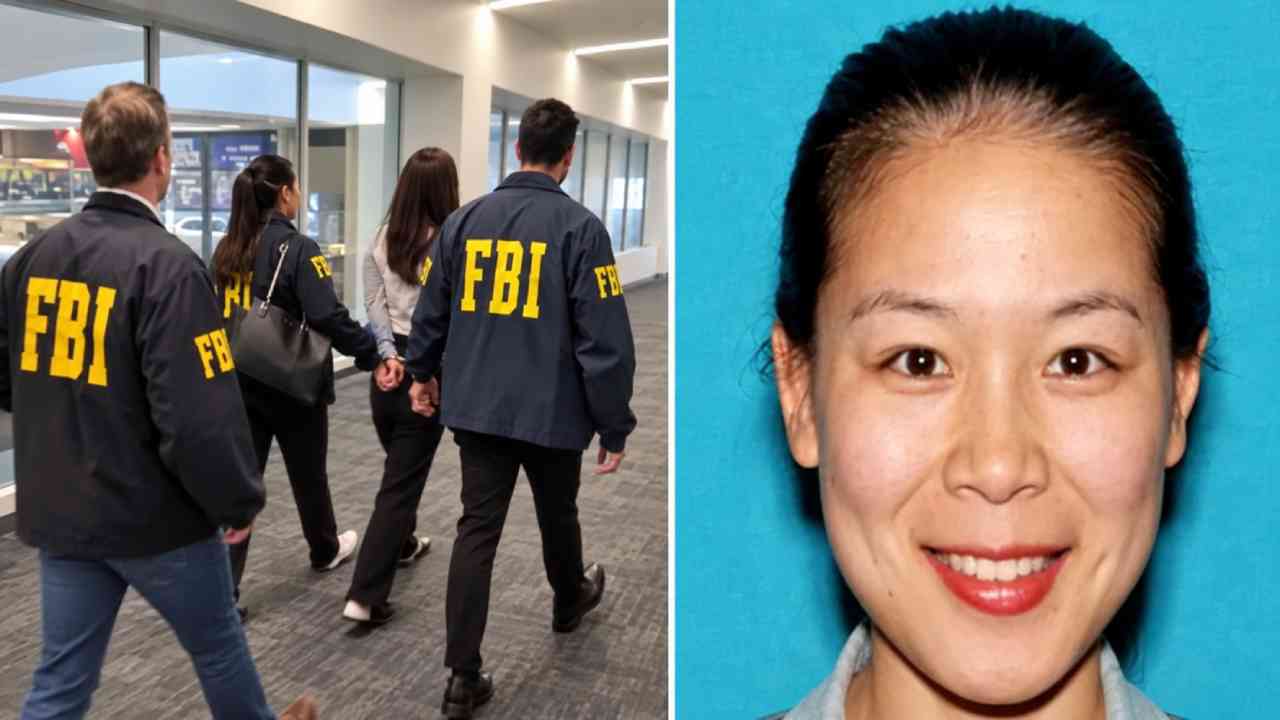
Brivify – The FBI arrests case involving Wanying “Heather” Zhang has drawn attention far beyond California. Federal agents detained the 34-year-old Irvine resident at Los Angeles International Airport on Sunday. She was preparing to leave the United States for China, according to U.S. authorities. Zhang faces a federal charge of allegedly acting as an unregistered agent of China. More importantly, investigators claim her activities involved the family of Taiwan President Lai Ching-te. The allegations add a personal dimension to the already tense relationship between Beijing and Taipei. Meanwhile, the location of the arrest gives the case another layer of significance. This was not an investigation unfolding in East Asia. Instead, it involved alleged surveillance conducted inside the United States. Zhang has not been convicted, and the allegations must still be tested in federal court. Therefore, the case remains both a developing legal matter and a sensitive international story.
Read Also: New Hyundai Tucson Hybrid Brings Bold Design and Everyday Practicality
Taiwan President’s Son Allegedly Became a Surveillance Target
Federal authorities allege that Zhang monitored Lai Ting-yu, a son of Taiwan President Lai Ching-te who lives in the United States. The FBI initially described the target without publicly naming him. However, later reporting identified him as Lai Ting-yu. According to investigators, the alleged surveillance also extended to members of his family. That detail makes the case particularly sensitive. A private individual may have been targeted partly because of his connection to a prominent political leader. Moreover, the allegations raise questions about how geopolitical rivalries can reach people living far from the main area of tension. Surveillance of a leader’s relative can potentially reveal routines, locations, vehicles, and personal connections. Still, the government’s claims remain allegations at this stage. Prosecutors will need to support them through the federal court process. Until then, Zhang is entitled to the presumption of innocence while the evidence receives legal scrutiny.
A 2025 Trip to Seattle Sits at the Center of the Case
Investigators have focused heavily on a trip Zhang allegedly made to Seattle in 2025. According to U.S. authorities, Chinese officials directed her to travel there and monitor Lai Ting-yu and his family. Zhang allegedly collected photographs and videos during that period. She also reportedly gathered vehicle license plate information. Prosecutors claim that this material was later provided to Chinese officials. On its own, a photograph or license plate number may appear ordinary. In a surveillance context, however, several small pieces of information can create a broader picture of someone’s routine. Authorities also allege that Zhang used covert methods to reduce the chance of detection. These claims form a central part of the government’s case. Nevertheless, the details described by investigators still require examination in court. The legal process will determine whether prosecutors can establish the alleged relationship between Zhang’s actions and officials in China.
Acting as an Unregistered Foreign Agent Is the Key Allegation
The central legal issue goes beyond simply observing another person. Zhang is accused of acting as an agent of the Chinese government without making the disclosure required under U.S. law. Federal authorities treat allegations involving undisclosed foreign-government activity seriously, especially when national security concerns arise. In this case, investigators claim Zhang operated at the direction of Chinese officials while remaining inside the United States. First Assistant U.S. Attorney Bill Essayli said she allegedly used espionage techniques to avoid detection. However, a criminal charge does not establish guilt. Zhang must have an opportunity to challenge the government’s evidence and present a defense. That distinction is especially important in politically sensitive cases. Strong allegations can quickly dominate headlines, yet the courtroom applies a different standard. Evidence, legal arguments, and judicial review will ultimately shape the outcome. For now, the case remains an accusation rather than a conviction.
Taiwan Sees the Allegations Through a Wider Political Lens
Taiwan’s presidential office responded strongly after the case became public. It condemned the alleged surveillance and described the incident as a form of “transnational repression.” The reaction reflects concerns that political pressure can extend beyond Taiwan’s borders. President Lai and his Democratic Progressive Party support a distinct Taiwanese identity. Beijing, by contrast, considers Taiwan part of China and strongly opposes moves it views as promoting separation. As a result, even an individual criminal case can carry wider political meaning. The alleged targeting of a president’s family member makes that connection even sharper. Furthermore, the case illustrates how political disputes can reach private lives overseas. A rivalry usually discussed through diplomacy or military activity can also appear through alleged intelligence operations. Still, Taiwan’s political interpretation and the criminal case against Zhang are separate issues. U.S. courts will focus on whether prosecutors can prove the specific allegations brought against her.
Washington’s Relationship With Taiwan Adds Another Layer
The United States does not maintain formal diplomatic relations with Taiwan. Even so, Washington remains Taiwan’s most important international supporter and arms supplier. That unusual relationship has long required careful diplomacy with Beijing. Consequently, allegations involving Chinese-directed surveillance of a Taiwanese leader’s family member on U.S. soil attract immediate attention. The issue touches domestic law, foreign policy, and national security at the same time. It also shows how the China-Taiwan dispute can intersect directly with American institutions. Washington must manage its broader relationship with Beijing while addressing alleged foreign operations inside the United States. Meanwhile, Taipei looks to the United States as an important security partner. These overlapping interests make the Zhang case more significant than an ordinary criminal investigation. However, the geopolitical background should not determine the legal outcome. The federal case must still depend on evidence concerning Zhang’s alleged actions and whether those actions violated U.S. law.
Read Also: Chinese Judoka Disqualified After Allegedly Biting Opponent During Match
The Case Highlights the Reach of Modern Surveillance
The allegations also offer a glimpse into how basic information can become valuable during surveillance. Photos, videos, vehicle details, and travel patterns may seem harmless when viewed separately. Combined, however, they can reveal important information about someone’s daily movements. Modern technology makes collecting and sharing such details easier than in previous decades. At the same time, digital records can give investigators new ways to reconstruct events. This creates an ongoing contest between surveillance methods and counterintelligence efforts. The Zhang case is notable because authorities claim she used techniques designed to avoid detection. Yet the public still has only part of the picture. Court proceedings may eventually provide more information about how investigators built their case. Until that happens, conclusions about specific methods should remain cautious. What is already clear is that seemingly ordinary information can take on greater importance when authorities believe it was gathered for a foreign government.
Federal Court Will Test the Government’s Evidence
Zhang’s arrest marks the beginning of a legal process rather than its conclusion. Her case is expected to proceed through federal court in Los Angeles. There, prosecutors will have to support their allegations with admissible evidence. The defense, meanwhile, can challenge the government’s account and the interpretation of Zhang’s actions. This stage matters because public headlines often move faster than court proceedings. An arrest can create an immediate impression, especially when words such as spying and espionage appear in the story. However, U.S. criminal proceedings operate under the presumption of innocence. Similar Justice Department cases also explicitly note that criminal charges are allegations until proven beyond a reasonable doubt. Therefore, responsible coverage should preserve that distinction. As additional filings become available, they may provide a clearer picture of the alleged communications, surveillance activity, and relationship with Chinese officials.
FBI Arrests Case Could Carry Wider Diplomatic Attention
The FBI arrests story involving Zhang sits at the intersection of law enforcement and international politics. At its core, prosecutors allege that a California resident secretly worked for Chinese officials and monitored the Taiwanese president’s son. Yet the implications extend further. Taiwan has already framed the alleged activity as transnational repression, while the case unfolds during persistent tensions across the Taiwan Strait. For Washington, the matter also raises questions about alleged foreign-government operations conducted inside U.S. territory. Nevertheless, the next important developments are likely to emerge from the courtroom rather than diplomatic statements. Evidence will need to be examined, arguments will be challenged, and Zhang will have the opportunity to defend herself. Until that process advances, careful language remains essential. The case may carry geopolitical weight, but its legal outcome will ultimately depend on what prosecutors can prove.



Post Comment