Chinese Judoka Disqualified After Allegedly Biting Opponent During Match
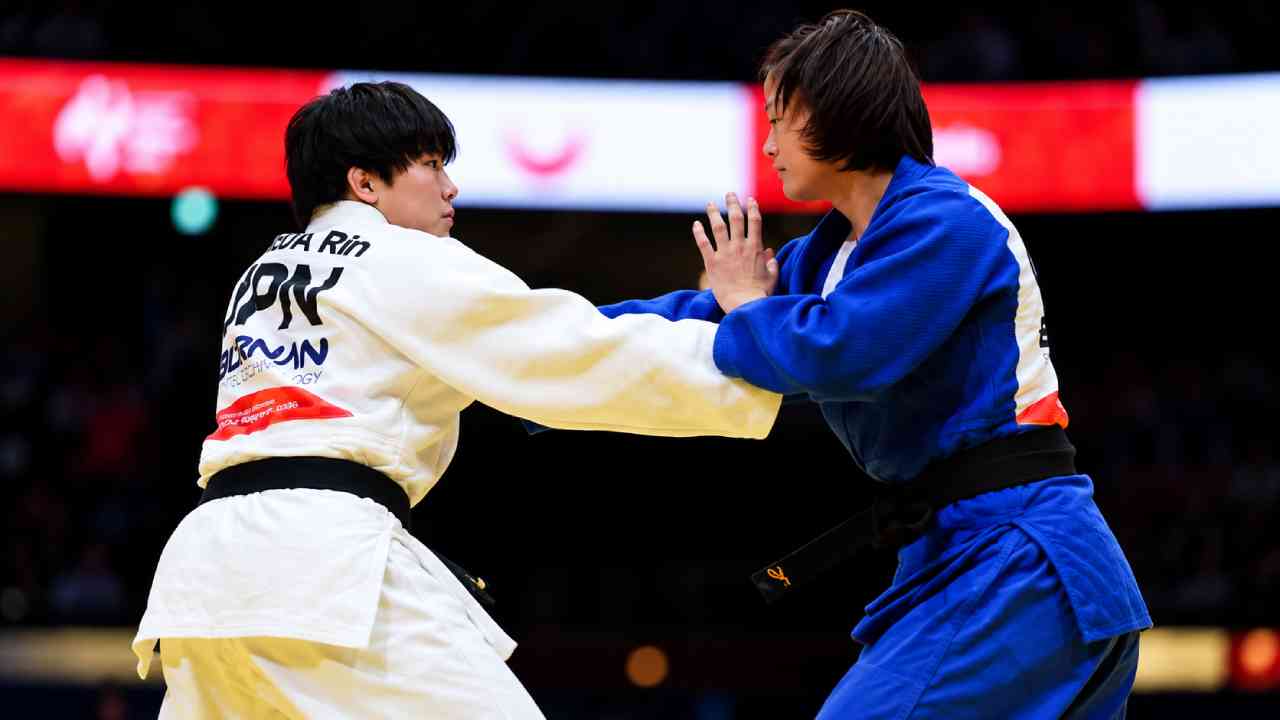
Brivify – A judo contest took an unexpected turn when Chinese athlete Tang Jing was disqualified after allegedly biting Japanese opponent Rin Maeda. The unusual incident happened during their women’s -70 kg quarterfinal at the 2026 Asian Games in Japan. Both athletes had been fighting for control when the match suddenly became about something far removed from conventional judo technique. Maeda drew attention to her arm and showed officials what appeared to be a bite mark near her wrist. The situation quickly changed the atmosphere around the contest. After officials reviewed what happened, Tang was disqualified. For the Chinese Judoka, the decision brought an abrupt end to a match that had started as a normal battle for progression. For spectators, however, it became one of those sporting moments that immediately stood apart from the rest of the competition.
Read Also: Audi A6 Allroad Review: One Estate, Many Different Roles
The Alleged Bite Changed Everything in Seconds
Judo is built around throws, holds, balance, timing, and controlled physical pressure. Because close contact is unavoidable, matches can become intense very quickly. However, biting falls far outside normal competitive techniques. That made the incident involving Tang and Maeda particularly striking. Maeda appeared to alert the referee before revealing the affected area of her arm. Officials then had to determine whether the action crossed the boundaries of acceptable conduct. Once the decision was made, the competitive situation changed instantly. Instead of continuing to fight for a place in the next round, Tang found herself eliminated. Such moments show how quickly an athlete’s tournament can change. Months or even years of preparation can lead to a major competition, yet one controversial moment may suddenly overshadow everything that happened before it. That is especially true when the incident involves conduct rarely associated with the sport.
Video Review Became Crucial to the Decision
Modern sports increasingly rely on video to help officials assess moments that are difficult to judge in real time. Judo is no exception. Referees must watch rapid movements while two athletes constantly fight for position. From one angle, an incident can easily be obscured by uniforms, arms, or body movement. Therefore, video review can provide valuable context before officials make a major decision. In this case, reviewing the sequence helped officials evaluate the alleged biting incident before the Chinese Judoka was disqualified. That process matters because disqualification is a serious outcome. Officials need to protect athletes while also ensuring that major penalties are based on the clearest information available. Technology cannot eliminate every controversy in sport. Still, replay systems can offer another perspective when an unusual moment happens too quickly for a referee to assess with confidence.
Tang Jing Appeared Unhappy but Respected the Final Decision
Competitive athletes rarely accept elimination easily, particularly when it happens under controversial circumstances. Tang appeared to disagree with the decision after officials ruled against her. Nevertheless, the situation did not turn into a prolonged confrontation. She eventually exchanged a handshake with Maeda before leaving the contest area. That small gesture mattered after such an unusual ending. Elite competition naturally produces strong emotions. Athletes invest enormous time in training, recovery, travel, and preparation before reaching major events. Therefore, frustration after disqualification is understandable. However, how competitors respond once the decision has been made can shape how the moment is remembered. Tang’s tournament ended unexpectedly, yet the handshake offered a quieter final image after the tension. In combat sports, respect after competition remains an important tradition, even when the preceding moments are difficult or controversial.
Rin Maeda Refused to Let the Incident Define Her Tournament
For Maeda, the quarterfinal could easily have become the defining moment of her competition. Instead, she continued forward. The Japanese judoka moved beyond the incident and returned her attention to the matches ahead. That mental reset is significant because unusual events can disrupt an athlete’s concentration. Pain, frustration, and emotional tension can linger long after a referee restarts or ends a contest. Yet elite competitors often train specifically to regain focus under pressure. Maeda demonstrated that ability by continuing her campaign rather than allowing the controversy to dominate her performance. Her response also changed the wider story. What initially looked like a bizarre quarterfinal incident eventually became only one chapter of a much larger tournament journey. In high-level sport, recovering mentally can sometimes be just as important as physical technique. Maeda’s ability to move forward provided a clear example of that competitive resilience.
The Japanese Judoka Turned a Strange Day Into Gold
Maeda’s tournament did not simply continue after the controversial quarterfinal. It ended with the biggest possible reward. She advanced through the remaining competition and ultimately captured the gold medal. That achievement gave the day an extraordinary narrative arc. Earlier, attention had centered on an alleged bite and a disqualification. Later, the focus shifted toward Maeda standing at the top of the competition. She defeated Kazakhstan’s Azhar Askhat in the final to secure the title. The contrast was striking. A moment that could have unsettled her instead became something she moved beyond on the way to victory. From a sporting perspective, this is perhaps the most compelling part of the story. Controversy can attract immediate attention, but the ability to regain composure often reveals more about an athlete. Maeda did not control what happened during the quarterfinal. However, she controlled how she responded afterward.
Why Discipline Matters So Much in Judo
Judo demands physical aggression within carefully defined boundaries. Athletes throw, pin, and apply legal submission techniques while following rules designed to protect both competitors. Therefore, discipline is not separate from performance. It is part of the sport itself. Losing control can have immediate consequences, especially when officials believe an action threatens an opponent’s safety or violates sporting conduct. The incident involving the Chinese Judoka highlights this balance clearly. Competitive intensity is expected, but athletes must remain within established limits even when a match becomes frustrating. This principle extends beyond judo. Boxing, wrestling, mixed martial arts, football, and many other sports depend on athletes controlling emotion during highly stressful situations. Talent can win contests, but discipline allows talent to operate within competition. Without that control, one brief decision can become more important than everything an athlete did correctly beforehand.
Read Also: Paul McCartney Reveals Sweet Joke About Taylor Swift’s Wedding Performance
One Unusual Moment Can Overshadow Years of Preparation
Major competitions are unforgiving because public memory often focuses on dramatic moments. An athlete may spend years developing technique, improving fitness, and competing at elite levels. Yet an unusual incident can suddenly dominate the conversation. Tang’s disqualification illustrates how quickly that can happen. Instead of discussion centering only on throws, tactics, or tournament results, attention shifted toward the alleged bite. For athletes, this is one of the difficult realities of competing on a major stage. Every action can receive greater scrutiny, especially when cameras capture the contest from several angles. However, one incident should still be viewed within its proper context. A controversial moment can have serious consequences without automatically describing an athlete’s entire career. Balanced sports coverage should acknowledge both realities. The event matters, but so does the broader sporting journey surrounding the people involved.
The Incident Shows Why Athlete Safety Comes First
Combat sports require athletes to accept a level of physical risk. That does not mean every form of physical contact becomes acceptable. Rules exist to separate legitimate competition from actions that may unnecessarily endanger an opponent. When unusual incidents happen, officials have a responsibility to respond quickly and consistently. Athlete safety must remain central because trust in the rules allows competitors to perform aggressively without expecting uncontrolled behavior. The same principle also protects the credibility of the competition. If athletes believe prohibited actions will be ignored, frustration can spread quickly. Therefore, decisive officiating plays an important role in maintaining order. The Tang-Maeda match became unusual because the alleged action was so far removed from what spectators normally expect in judo. Yet the response also demonstrated why sports have procedures for dealing with situations that fall outside ordinary competition.
A Bizarre Judo Moment Became a Story About Resilience
The alleged biting incident may remain the most eye-catching detail from the quarterfinal, but the complete story carries a broader message. One athlete experienced a sudden disqualification, while another had to recover from an unsettling moment and continue competing. Maeda ultimately transformed a strange start into a gold-medal finish. That shift makes the event more than a simple controversy. It also shows how quickly elite sport can move from confusion to achievement. For the Chinese Judoka, the tournament ended in circumstances few athletes would ever expect. For Maeda, the same moment became an obstacle she had to leave behind almost immediately. Competitive sport rarely gives athletes much time to process what just happened. The next contest arrives, and attention must return to performance. In this case, Maeda managed that transition remarkably well, turning one of the tournament’s strangest incidents into part of a championship journey.


Post Comment