Turkey and Israel Trade Sharp Accusations as Netanyahu Arrest Push Escalates
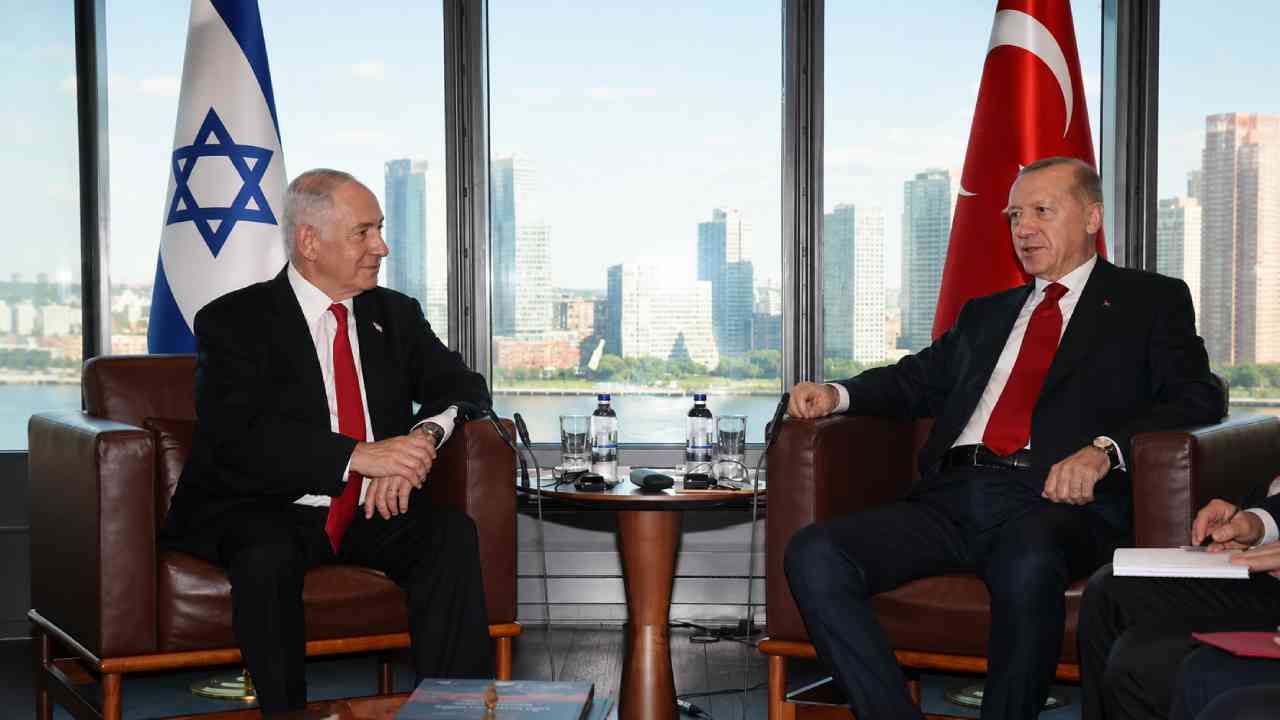
Brivify – Turkey and Israel have entered another tense chapter after Ankara moved to seek international action against Israeli Prime Minister Benjamin Netanyahu. Turkish authorities want an Interpol red notice connected to Israel’s interception of an aid flotilla heading toward Gaza. Ankara has accused Netanyahu of genocide and crimes against humanity. Israel strongly rejects those claims. Moreover, Netanyahu’s office responded by launching a personal attack on Turkish President Recep Tayyip Erdogan. Ankara quickly answered with equally sharp criticism. The dispute now stretches far beyond one maritime incident. It reflects years of tension over Gaza, Syria, regional security, and political influence. Therefore, the latest exchange matters not only because of its aggressive language. It also shows how relations between two influential regional powers continue to deteriorate as the Gaza conflict reshapes Middle Eastern diplomacy.
Read Also: Meet Herbie Wertheim, the Man Who Paid $40 Million for a Ferrari Luce
Gaza Has Deepened the Divide Between Both Governments
Relations between Turkey and Israel had faced problems long before this latest dispute. However, the Gaza war widened the political gap dramatically. Erdogan became one of Netanyahu’s strongest international critics after the Hamas-led attacks on October 7, 2023, and Israel’s subsequent military campaign in Gaza. The Turkish president has repeatedly accused Netanyahu’s government of genocide. Israel rejects that accusation and says it targets Hamas rather than Palestinian civilians. As the war continued, disagreements increasingly became personal. Officials on both sides moved away from cautious diplomatic language and adopted more confrontational rhetoric. Consequently, almost every new dispute now carries the weight of earlier disagreements. The flotilla incident became particularly sensitive because it combines humanitarian access, maritime law, Gaza, and international accountability. These issues have transformed a difficult bilateral relationship into a much broader political confrontation.
The Gaza Aid Flotilla Became a Major Flashpoint
The latest escalation centers on the Global Sumud Flotilla, which reportedly included around 50 vessels that departed from Turkey in May. Hundreds of activists joined the mission in an attempt to reach Gaza. Israeli forces intercepted the vessels in the Mediterranean and detained participants before authorities later deported them. The operation drew international criticism and renewed debate about humanitarian access to Gaza. Turkey then turned the incident into a legal issue. Ankara argues that Israeli actions against activists in international waters deserve criminal investigation. Meanwhile, footage surrounding the detention of activists intensified public attention. Israeli National Security Minister Itamar Ben Gvir also drew criticism after releasing a video showing his encounter with detained participants. As a result, the flotilla became much more than a humanitarian mission. It developed into another symbol of the growing confrontation between Ankara and Jerusalem.
Ankara Seeks an Interpol Red Notice for Netanyahu
Turkey’s Justice Ministry has asked the Interior Ministry to pursue an Interpol red notice for Netanyahu and Israeli national Afek Moskovitch. Turkish Justice Minister Akin Gurlek said the legal process relates to actions against flotilla activists in international waters. Turkish authorities listed serious allegations, including genocide, crimes against humanity, torture, assault, property destruction, looting, and deprivation of liberty. However, Turkey’s request does not mean Interpol will automatically issue a notice. The organization reviews requests under its own constitution and rules. In addition, Interpol restricts involvement in activities that carry a predominantly political, military, religious, or racial character. Therefore, Ankara has started a process rather than secured an international arrest mechanism. The distinction matters because dramatic political statements can make international legal procedures appear simpler than they actually are.
Israel Turns Its Response Directly Toward Erdogan
Israel answered Ankara with unusually personal language. Netanyahu’s office described Erdogan as an “antisemitic dictator” and accused him of repressing his population and supporting Hamas. Israeli officials also accused Turkey of pursuing policies that could destabilize the region. Those remarks reveal how much the dispute has expanded beyond Gaza. In particular, Israel has expressed concerns about Turkey’s influence and possible military presence in Syria. Instead of challenging only Turkey’s legal arguments, Netanyahu’s government directly questioned Erdogan’s record and regional policies. Consequently, the confrontation now operates on several levels at once. Gaza remains the central issue, but Syria, security, and regional influence increasingly shape the rivalry. The aggressive tone also leaves little room for diplomatic compromise. For now, both governments appear more interested in defending their positions than lowering tensions.
Ankara Accuses Netanyahu of Playing Electoral Politics
Erdogan’s office quickly rejected Israel’s accusations and described the statement from Netanyahu’s office as outrageous rhetoric. Turkish officials argued that Netanyahu’s government wants to avoid accountability for its actions. Ankara also connected the confrontation with Israeli domestic politics. It suggested that Netanyahu could use disputes with foreign leaders to strengthen his political position ahead of future electoral challenges. That argument adds another dimension to the conflict. International confrontations often carry domestic political value, especially during periods of war or national uncertainty. Strong rhetoric can help leaders present themselves as defenders of national interests. Nevertheless, political motivations remain difficult to measure from public statements alone. What is clear, however, is that both governments now communicate with audiences at home as well as abroad. That dynamic makes diplomatic de-escalation more difficult.
Afek Moskovitch Also Faces Turkish Allegations
The Turkish legal effort also names Afek Moskovitch, whom Turkish news agency IHA described as an Israeli soldier. According to IHA’s August 23, 2026 report, Turkish prosecutors accuse him of violations connected to Israeli actions in Gaza. The agency cited an indictment that referenced Instagram footage allegedly showing tanks and bulldozers destroying buildings at the Islamic University of Gaza. The reported material included damage to medical and educational facilities. These accusations expand Turkey’s case beyond the flotilla interception itself. They connect Ankara’s legal campaign with broader allegations about Israel’s conduct during the Gaza war. However, prosecutors’ allegations do not equal judicial findings. Courts and relevant legal institutions would need to assess evidence and arguments from all sides. That distinction remains essential when reporting a conflict surrounded by competing claims and intense political messaging.
Read Also: Alexander Isak Braces for Hostile Newcastle Return After £125m Liverpool Move
Syria Adds Another Layer to Turkey-Israel Tensions
Gaza dominates the current dispute, but Syria has also become an important source of tension between Turkey and Israel. Ankara maintains major security and political interests there, while Israel closely watches developments that could affect its borders. Israeli officials have voiced concerns about a stronger Turkish military presence in Syria. Meanwhile, Israel continues to conduct strikes against targets that it considers security threats. These overlapping interests create another potential area of confrontation. However, neither country benefits easily from uncontrolled escalation. Turkey seeks regional influence and security along its southern frontier. Israel, by contrast, focuses heavily on preventing hostile military capabilities from developing near its territory. Therefore, their rivalry involves more than political insults between Erdogan and Netanyahu. It also reflects competing strategic calculations about how the regional order should develop.
An Interpol Notice Would Not Equal an International Arrest Warrant
The legal terminology surrounding the dispute requires careful explanation. An Interpol red notice is not the same as an international arrest warrant. Instead, it asks law enforcement agencies worldwide to locate an individual and potentially take provisional action under national law. Each country decides how to respond according to its own legal system. Interpol also evaluates requests before publication. Therefore, Turkey cannot independently create a worldwide obligation to arrest Netanyahu simply by submitting a request. This distinction provides important context for readers following the political headlines. Ankara’s move could still carry diplomatic significance and increase international attention on the flotilla case. Yet its practical impact depends on Interpol’s procedures and the laws of individual countries. Understanding those limits helps separate legal reality from political rhetoric.
The Dispute Could Shape Wider Regional Relations
The latest confrontation shows how one incident can develop into a much larger geopolitical dispute. A flotilla bound for Gaza has now become connected to international legal action, electoral politics, Syria, and regional influence. Turkey presents its campaign as an effort to seek accountability. Israel, meanwhile, describes Ankara’s actions as politically motivated hostility. Neither side shows signs of softening its position. As a result, relations could remain strained even if the Interpol request produces little immediate legal impact. The more important question is whether the dispute begins to affect regional security, trade, diplomacy, or coordination with other governments. For readers following Turkey and Israel, the personal attacks may dominate headlines. However, the deeper story concerns two regional powers whose strategic interests increasingly collide. What happens next will depend on legal decisions, developments in Gaza, and the changing political landscape across the Middle East.



Post Comment