Tiger Woods Eyes Golf Comeback After Recovery and Rehabilitation
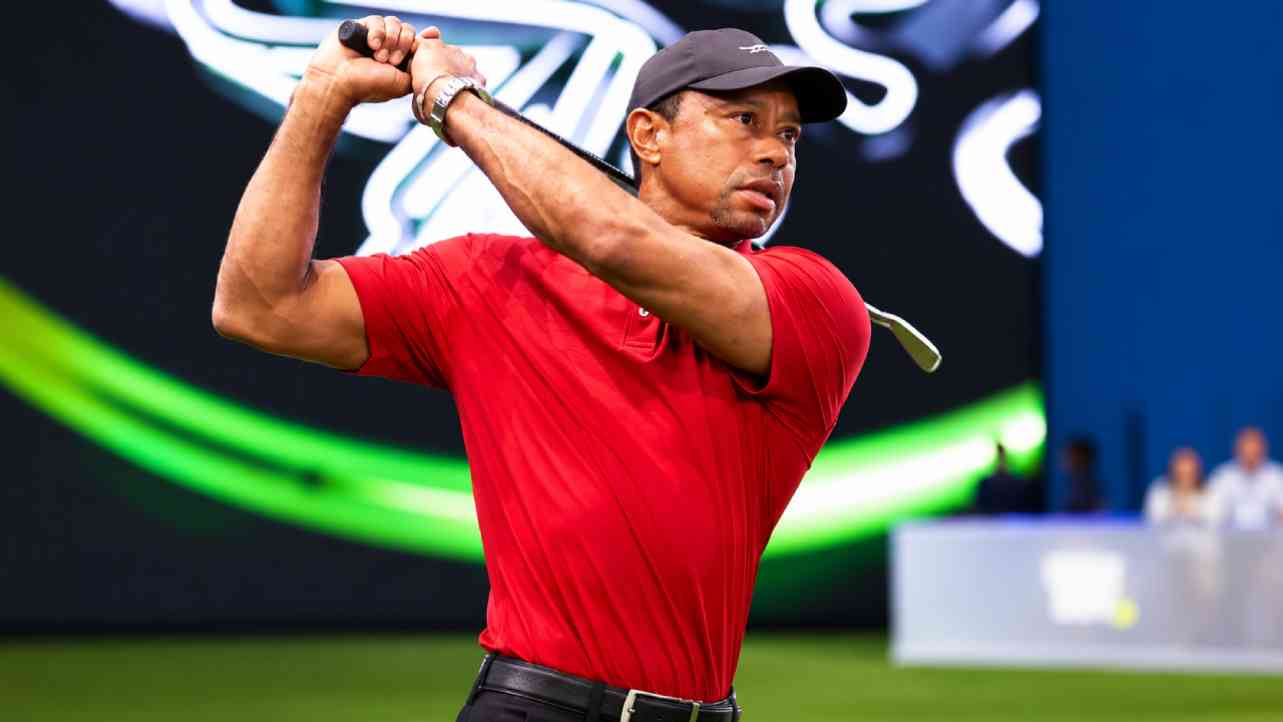
Brivify – Tiger Woods is once again giving golf fans a reason to watch his recovery closely. After another difficult period away from competition, the American golf legend has expressed optimism about his physical condition. His recent comments suggest that training has become a regular part of his routine again. However, returning to professional golf requires more than feeling comfortable during practice. Woods must rebuild the strength and endurance needed for competitive rounds. His journey has attracted attention because injuries have repeatedly interrupted his remarkable career. Nevertheless, his determination to remain connected with golf continues to stand out. At 50, Woods understands that every comeback requires patience and careful preparation. For supporters who have followed his achievements for decades, even small improvements carry meaning. His possible return represents another chapter in a career shaped by extraordinary success and difficult physical challenges.
Recovery Progress Brings Fresh Confidence to His Training
The road back to competitive golf often begins far from crowded tournament galleries. For Woods, rehabilitation and physical preparation remain essential parts of that process. He has indicated that he feels better and has increased his training activity. Although this development sounds encouraging, it does not automatically confirm his readiness for tournament play. Golf places repeated demands on the back, legs, and upper body. Furthermore, professional events require sustained concentration across several hours. Woods must therefore evaluate how his body responds to consistent practice. A productive training session is one step, while completing multiple competitive rounds presents another challenge. Nevertheless, gradual progress can help rebuild confidence. His experience also gives him a clearer understanding of the importance of recovery. Rather than rushing toward a public appearance, a measured approach may offer a more realistic path toward competitive golf.
Previous Injuries Have Made His Journey More Challenging
Tiger Woods has faced several physical setbacks throughout the later stages of his career. His recovery from a serious 2021 car accident required extensive rehabilitation. Subsequent injuries created additional obstacles to maintaining a consistent tournament schedule. In March 2025, he underwent surgery after suffering an Achilles tendon injury. These experiences have made every potential return more complicated. Unlike younger competitors, Woods must carefully manage the physical demands of repeated golf swings and long rounds. Moreover, recovery involves more than restoring basic movement. Tournament golf requires stability, endurance, and the ability to perform under pressure. Although Woods has demonstrated remarkable resilience before, each injury presents different challenges. His competitive future therefore depends on how effectively his body handles training. For now, his improved condition offers encouragement without removing the uncertainty surrounding his next official appearance.
Read Also: Gunther Werks vs Eccentrica: Two Ways to Rebuild a ’90s Icon
December Golf Events Could Offer a Return Opportunity
Several December events provide possible opportunities for Woods to reconnect with competitive golf. The Hero World Challenge, scheduled for early December in the Bahamas, is particularly important because he hosts the tournament. However, his attendance does not mean he will compete. The PNC Championship later that month offers another potential appearance. Woods has previously participated in the family-oriented event alongside his son, Charlie. Meanwhile, the TGL schedule also creates opportunities for him to return to a competitive setting. Each event presents different physical and competitive demands. Therefore, selecting the right opportunity will depend on his readiness rather than public expectations. Golf fans may hope for an immediate comeback, but patience remains important. Until Woods confirms his participation, these tournaments should be viewed as possibilities rather than guaranteed appearances. His recovery will ultimately guide the decision.
Tiger Woods Faces a Different Challenge at Age Fifty
Age adds another dimension to Woods’ latest comeback ambitions. At 50, his experience and understanding of golf remain valuable strengths. However, physical recovery can become more demanding as athletes grow older. Woods must balance his competitive instincts with the practical limits of his body. Professional golf requires repeated rotational movements, precise coordination, and extended periods of walking. Consequently, preparing for a tournament involves much more than practicing individual shots. Strength training, mobility work, and recovery management all contribute to readiness. Furthermore, Woods has little reason to rush simply to prove his ability. His achievements already place him among golf’s most accomplished players. A carefully managed return would allow him to evaluate his performance without unnecessary pressure. The challenge is no longer only about winning tournaments. It is also about finding a sustainable way to compete.
His Legendary Career Continues to Inspire Golf Fans
Few golfers have influenced the modern game as strongly as Tiger Woods. His career includes 15 major championship victories and 82 official PGA Tour wins. These achievements helped establish him as one of the sport’s defining figures. However, statistics tell only part of his story. Woods brought enormous attention to professional golf through his competitive intensity and memorable performances. His dramatic victory at the 2019 Masters remains a powerful example of perseverance after serious physical setbacks. That achievement also strengthened his connection with supporters who admired his determination. Today, another comeback would carry a different meaning. Fans are not simply waiting for another championship trophy. Many want to see him enjoy competitive golf again. Moreover, his continued presence helps connect different generations of players. His influence remains significant even when he is away from tournaments.
Training Progress Does Not Guarantee Tournament Readiness
Although Woods has returned to regular practice, competitive readiness remains a separate question. A golfer may feel comfortable during controlled training but face greater challenges during tournaments. Competition involves changing weather conditions, uneven terrain, and demanding schedules. Furthermore, the pressure of official scoring can affect physical and mental performance. Woods understands these differences through decades of experience. Therefore, his preparation must consider how his body responds over several consecutive days. Short practice sessions may provide encouraging signs, yet they cannot fully reproduce tournament conditions. His medical and training teams will also need to consider recovery between activities. Importantly, no confirmed competitive return date has been established. That uncertainty should not overshadow the progress he has described. Instead, it reflects the careful decisions required after repeated injuries. A successful comeback begins with readiness rather than a fixed deadline.
The Golf World Watches His Next Competitive Decision
Whenever Tiger Woods discusses returning to golf, interest quickly extends beyond his longtime supporters. Fellow professionals, tournament organizers, and younger players understand his importance to the sport. His participation can attract attention to events that already feature strong competition. However, the excitement surrounding his possible comeback also creates expectations. Woods has spent much of his career performing under intense public scrutiny. Now, he faces the additional challenge of managing those expectations while protecting his recovery. His next decision will likely depend on practical factors, including fitness and training consistency. Meanwhile, upcoming events provide opportunities to assess his progress. Even if he chooses not to compete immediately, his involvement in golf remains meaningful. He continues to influence the game through tournament activities and other professional commitments. His presence shows that an athlete’s impact can extend beyond competitive results.
Tiger Woods Keeps His Competitive Future Open
Tiger Woods has not closed the door on another appearance in professional golf. His improved condition and renewed training suggest that competition remains an important personal goal. Nevertheless, the next stage of his career will require careful choices. Returning too quickly could create unnecessary physical demands, while a gradual approach may provide more room for evaluation. His experience gives him valuable perspective on both possibilities. For fans, the uncertainty creates anticipation without guaranteeing a particular outcome. Woods has already built a legacy that extends far beyond individual victories. However, his continued interest in competing reflects the determination that defined his greatest performances. Whether he returns during December or waits longer, his recovery remains the central priority. The possibility of seeing him compete again offers a compelling story of persistence, preparation, and the enduring connection between a legendary athlete and his sport.


Post Comment