Pentagon Admits Elon Musk’s Grok AI Was Used in Attack on Iran
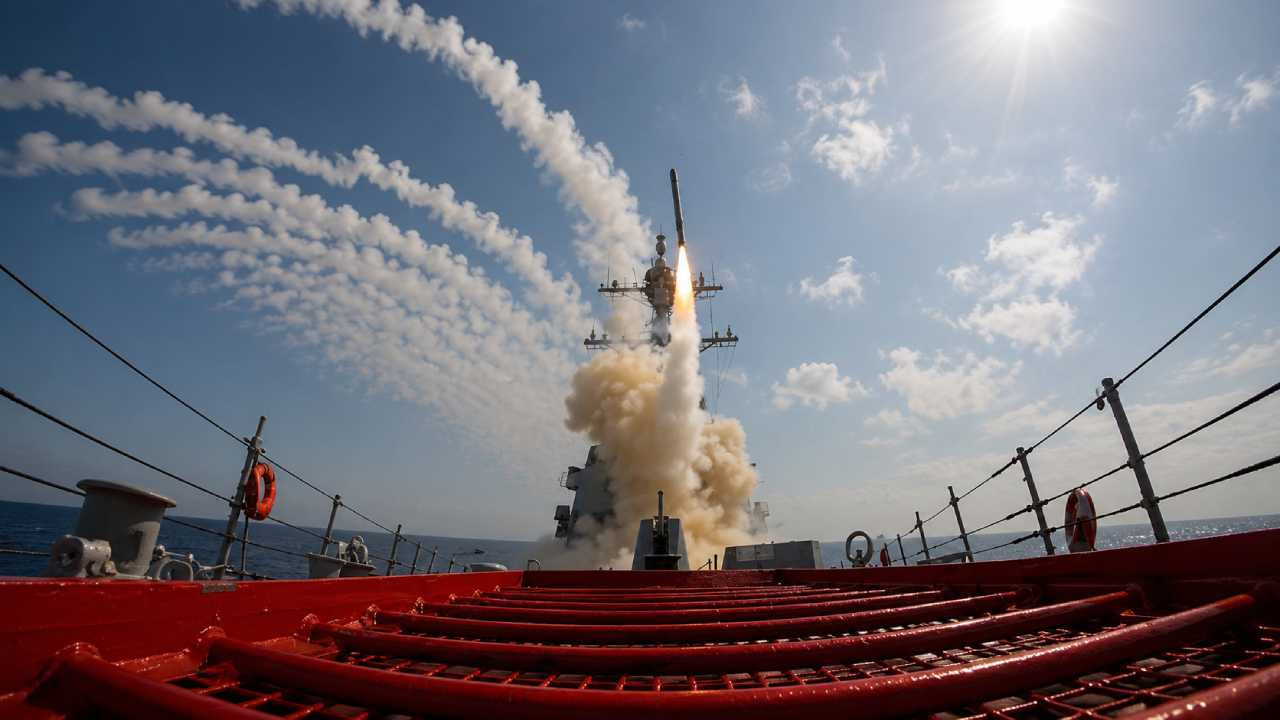
Brivify – The phrase Pentagon Admits quickly captured global attention after senior U.S. defense officials acknowledged that Grok, the artificial intelligence model developed by Elon Musk’s xAI, played a role in supporting military operations during the conflict with Iran. While artificial intelligence has become increasingly common in civilian industries, its involvement in modern warfare raises entirely different questions. Consequently, the disclosure sparked widespread discussion among military analysts, policymakers, and technology experts. For many observers, the revelation highlighted how rapidly AI is moving from experimental applications into mission-critical environments. Moreover, it demonstrated that future conflicts may rely as much on algorithms and data analysis as on traditional military hardware. As nations continue investing in advanced technologies, the relationship between AI and national security is becoming impossible to ignore.
Read Also: Porsche 911 GT3 Earls Court 51 Celebrates Britain’s First-Ever Porsche in Style
The Disclosure That Drew International Attention
The controversy began when Pentagon officials confirmed that Grok was among the artificial intelligence systems supporting military activities linked to operations against Iran. Although the announcement did not suggest that AI independently launched weapons, it confirmed the technology assisted in handling large volumes of information. As a result, the statement represented one of the clearest acknowledgments of AI involvement in military decision-support processes. Furthermore, the disclosure attracted attention because Grok is widely known as a consumer-facing chatbot associated with Elon Musk. Many people previously viewed the platform primarily as a conversational AI tool. However, the Pentagon’s comments revealed a much broader potential application. Therefore, the announcement immediately fueled debate about the evolving role of commercial AI technologies in defense operations.
How AI Supports Modern Military Operations
Military organizations generate enormous amounts of data every day. Satellite imagery, intelligence reports, communications data, and battlefield updates often arrive simultaneously. Consequently, human analysts alone may struggle to process information quickly enough during active operations. This challenge explains why artificial intelligence has become increasingly valuable. Systems like Grok can help organize, analyze, and prioritize data, allowing decision-makers to identify relevant patterns more efficiently. Moreover, AI tools can reduce the time required to evaluate potential threats or emerging situations. While human operators still make final decisions, AI acts as a force multiplier by accelerating information processing. Therefore, defense agencies view advanced AI models as strategic assets in an increasingly complex security environment.
Why Grok Became a Strategic Asset
Grok was originally introduced as a generative AI model designed to provide conversational responses and real-time information. However, advanced language models possess capabilities that extend far beyond chat interactions. They can summarize intelligence reports, identify trends, compare data sources, and assist analysts in understanding complex information. As a result, defense officials reportedly considered Grok suitable for high-level operational support. Furthermore, Pentagon representatives indicated that specialized versions of the technology were designed to operate within secure government environments. This capability makes the system more adaptable to national security applications. Consequently, Grok evolved from a public-facing AI platform into a tool with potential strategic significance. Its growing role reflects a broader trend of governments adapting commercial technologies for defense purposes.
Concerns Over AI and Civilian Casualties
Despite the potential benefits, the use of AI in military operations remains highly controversial. Critics argue that increased reliance on automated systems could contribute to errors with serious consequences. In particular, concerns often arise when military strikes result in civilian casualties. Although officials maintain that human personnel remain responsible for final decisions, analysts worry that excessive trust in AI-generated assessments may influence outcomes. Furthermore, complex battlefield environments create situations where incomplete or outdated information can lead to mistakes. Therefore, some experts advocate stronger oversight mechanisms whenever AI contributes to military planning. The debate intensified following reports linking intelligence analysis systems to controversial incidents during the conflict. Consequently, questions about accountability continue to shape public discussion surrounding military AI programs.
The Growing Debate Over Human Control
One of the most important issues involves maintaining meaningful human control over military decisions. Many policymakers support technological innovation while also insisting that life-and-death choices remain under direct human authority. As artificial intelligence becomes more capable, the line between assistance and decision-making may become increasingly blurred. Therefore, lawmakers have proposed safeguards designed to preserve human oversight. Several policy initiatives focus on preventing AI from independently authorizing lethal actions. Moreover, some proposals seek restrictions on the use of AI in nuclear systems, autonomous weapons, and domestic surveillance. Supporters argue that such measures are necessary to protect ethical standards. Consequently, the conversation has expanded beyond technology and into broader questions about responsibility, governance, and military ethics.
Read Also: Lionel Messi Makes History With Fifth World Cup Scoring Record
Why Governments Continue Investing in AI
Despite ongoing concerns, governments worldwide continue increasing investment in artificial intelligence. The primary reason is simple: speed and efficiency provide significant strategic advantages. Nations that can process information faster often gain operational benefits in both military and intelligence activities. Furthermore, geopolitical competition encourages continuous technological development. Countries fear falling behind rivals that aggressively pursue AI innovation. Therefore, defense agencies increasingly view artificial intelligence as a critical component of future national security strategies. In addition, AI can improve logistics, cybersecurity, intelligence gathering, and resource management. These advantages extend beyond combat operations and influence overall defense readiness. Consequently, governments see AI not merely as an optional technology but as a strategic necessity.
The Legal Challenges Surrounding Military AI
As AI adoption accelerates, legal disputes are becoming more common. Questions regarding accountability, transparency, and oversight remain largely unresolved. Furthermore, regulations often struggle to keep pace with technological advancement. The Pentagon’s acknowledgment of Grok’s involvement emerged alongside broader legal debates concerning AI companies and government partnerships. Critics argue that stronger regulations are needed to prevent misuse and ensure compliance with ethical standards. Meanwhile, technology firms emphasize innovation and national security benefits. As a result, courts and lawmakers increasingly find themselves addressing issues that did not exist a decade ago. Consequently, the legal framework governing military AI continues to evolve as governments adapt to new technological realities.
What This Means for the Future of Warfare
The Pentagon’s acknowledgment of Grok’s role may represent a turning point in public understanding of military AI. While advanced technologies have quietly supported defense operations for years, this disclosure brought the issue into the mainstream spotlight. Moreover, it highlighted how commercial AI systems are becoming intertwined with national security strategies. Looking ahead, artificial intelligence will likely play an even greater role in intelligence analysis, operational planning, and strategic decision support. However, the debate over ethics, oversight, and accountability is unlikely to disappear. Instead, it will probably intensify as AI capabilities continue advancing. Ultimately, the future of warfare may depend not only on technological power but also on society’s ability to establish clear rules governing how that power is used.