Kenneth Walker Sparks Attention After Skipping Seahawks Handshakes
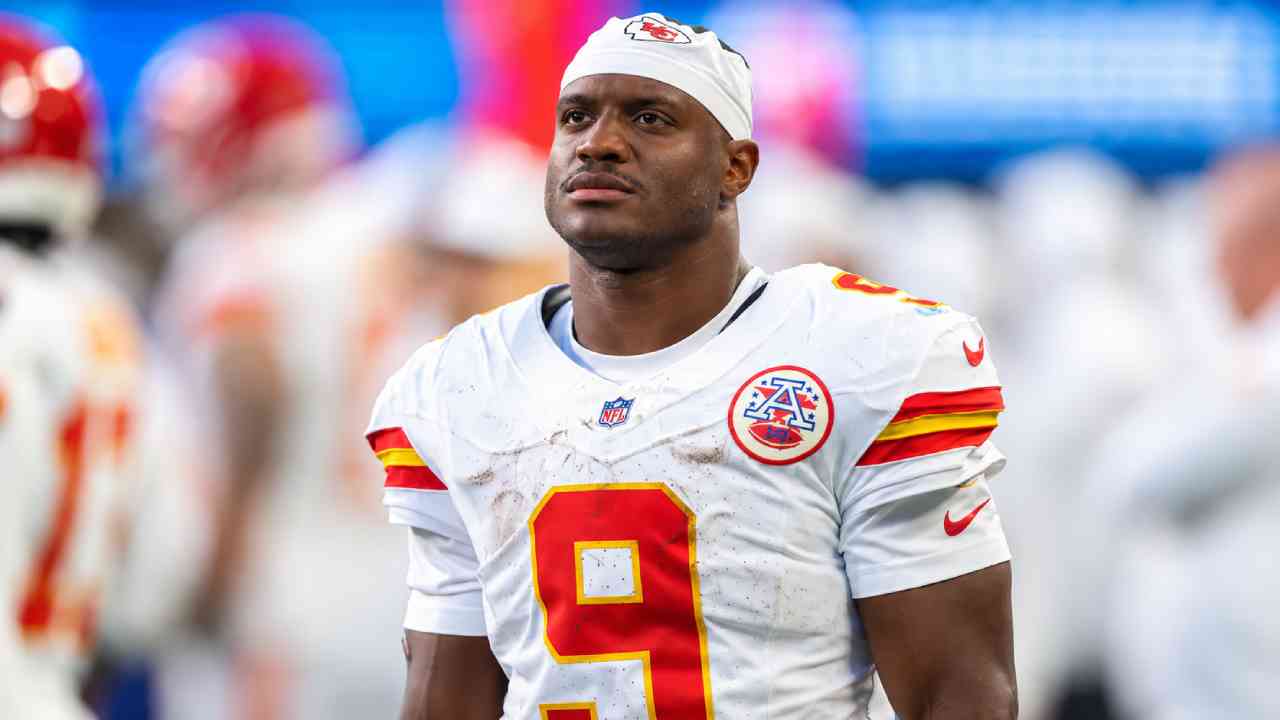
Brivify – Kenneth Walker III returned to Seattle expecting one of the most emotional games of his season. Instead, the Kansas City Chiefs running back endured a frustrating night against his former team. Seattle controlled the matchup and defeated Kansas City 20-3 at Lumen Field on Sunday, October 25, 2026. Walker struggled to create space against a disciplined Seahawks defense. He finished with only 36 rushing yards on 14 carries and did not score a touchdown. His longest run covered just seven yards. However, the final statistics were not the only reason his return attracted attention. Once the game ended, Walker quickly headed toward the locker room instead of joining the usual postgame greetings. The moment immediately stood out because many of the players across the field had once shared a locker room with him. A difficult performance had suddenly become an emotional story as well.
A Quick Exit Creates an Unexpected Postgame Moment
Postgame scenes in the NFL often follow a familiar pattern. Players meet near midfield, exchange handshakes, speak with former teammates, and occasionally swap jerseys. Kenneth Walker chose a different path after the final whistle. Rather than approaching Seattle players and coaches, he moved toward the Chiefs’ tunnel. He briefly acknowledged a Seahawks staff member after being stopped on his way off the field. Then, he continued toward the locker room. The decision quickly became noticeable because this was Walker’s first game back in Seattle as an opponent. Therefore, what might have seemed like a routine exit carried extra meaning. Some observers interpreted his actions as frustration, while others questioned whether he should have stayed to greet his former teammates. Still, emotions often run high immediately after an NFL loss. Walker had just experienced his most difficult rushing performance of the season, making the timing important when evaluating the moment.
Kenneth Walker Explains the Frustration Behind His Decision
Kenneth Walker did not attempt to hide his emotions when discussing the situation afterward. He explained that losing the game left him frustrated. Seeing Seattle celebrate only added to that feeling. His explanation offered important context because it shifted the conversation away from assumptions about a personal conflict. Walker also acknowledged that Seattle played hard and successfully controlled the matchup. In other words, he did not dismiss the Seahawks’ performance simply because the loss hurt. That distinction matters. Competitive athletes are expected to care deeply about results, especially during a season with major expectations. However, emotional reactions can appear different when cameras capture them immediately after a defeat. Walker’s quick exit became part of the story because it happened against his former team. Nevertheless, his comments suggest the frustration centered on losing rather than a public dispute with individual Seattle players.
Read Also: Bugatti Tourbillon Passenger Ride Reveals a More Expressive Hypercar
Seattle Made Stopping Walker a Major Defensive Priority
The Seahawks entered the game knowing exactly how dangerous Kenneth Walker could become. They also had years of familiarity with his running style. That combination created an intriguing tactical battle. Seattle repeatedly closed running lanes and prevented Walker from reaching open space. The results were impressive. He averaged only 2.6 yards per carry and finished with 36 rushing yards. Seahawks safety Nick Emmanwori later indicated that keeping Walker below 100 yards provided additional motivation for the defense. Other Seattle defenders shared that desire. Their approach worked because Walker never produced the explosive run Kansas City needed. More importantly, Seattle prevented the Chiefs from building rhythm on the ground. A productive rushing attack can force defenders closer to the line and create opportunities elsewhere. However, Kansas City never established that threat. As a result, Seattle could remain disciplined while applying pressure across the entire offense.
The Numbers Show How Unusual Walker’s Performance Was
The 36-yard performance looked even more surprising when compared with Kenneth Walker’s previous games. He entered Seattle after producing several strong rushing performances for Kansas City. Walker had exceeded 100 rushing yards in four of his first five games of the 2026 season. One week earlier, he ran for 128 yards and two touchdowns against the Los Angeles Chargers. He also produced 177 yards against Las Vegas and 173 against Denver earlier in the campaign. Against Seattle, however, those explosive numbers disappeared. Walker needed 14 carries to reach 36 yards. He added four catches for 21 receiving yards, giving him 57 yards from scrimmage. Those numbers underline how effectively Seattle controlled him. One difficult game does not erase a productive season, of course. Yet the contrast explains why the performance attracted so much attention. Walker arrived as one of Kansas City’s biggest offensive threats but left Seattle after his quietest rushing night of the year.
Kansas City’s Offensive Problems Went Beyond One Running Back
It would be unfair to place Kansas City’s defeat entirely on Kenneth Walker. The Chiefs struggled throughout the offense. Patrick Mahomes completed 19 of 33 passes for 165 yards. He finished without a passing touchdown and threw one interception. Kansas City generated only 215 total yards, compared with Seattle’s 410. The Chiefs also managed just 11 first downs and converted three of 11 third-down attempts. Most strikingly, Kansas City never reached the red zone. Therefore, Walker’s limited production reflected a larger offensive problem rather than an isolated failure. Seattle controlled the line of scrimmage and rarely allowed Kansas City to develop momentum. Meanwhile, the Seahawks possessed the ball for more than 35 minutes. That kept Kansas City’s offense away from the field for long stretches. Walker certainly wanted a better individual performance, especially against his former team. Still, the final score showed that the entire Chiefs offense had problems finding answers.
Returning to a Former Team Adds Another Layer of Pressure
Facing a former team can create an unusual emotional challenge for any professional athlete. Familiar faces suddenly become opponents. Coaches who once designed plays for you are now preparing strategies to stop you. Fans who previously celebrated your touchdowns may spend the night hoping you fail. Kenneth Walker experienced all of those dynamics in Seattle. Moreover, expectations were already high because of his strong start with Kansas City. A big performance would have created an ideal return story. Instead, Seattle’s defense turned the night in the opposite direction. This context does not automatically justify every postgame reaction. However, it helps explain why frustration could appear so quickly. Professional athletes rarely approach emotional games as neutral events. Pride, history, competition, and personal expectations can overlap. Walker’s reaction showed how quickly those emotions can surface when the result falls far short of what a player expected.
Skipping Handshakes Became Bigger Than the Final Statistics
Sports conversations are not always driven by touchdowns, rushing yards, or tactical decisions. Sometimes a few seconds after the game become equally memorable. That happened with Kenneth Walker. His 36 rushing yards were significant because Seattle successfully contained one of Kansas City’s most productive players. Yet his decision to leave without greeting former teammates created another discussion entirely. Some fans criticized the gesture and viewed it as poor sportsmanship. Others saw a disappointed competitor who wanted to leave the field after a painful loss. Both reactions highlight the importance of body language in modern professional sports. Cameras capture almost everything, while social media can turn a short moment into a much larger debate. Therefore, players are judged not only by what they do during competition. Their immediate reactions afterward can also shape public perception, even when those reactions happen during intense emotional moments.
One Tough Game Does Not Define Kenneth Walker’s Season
The Seattle performance was clearly a setback, but Kenneth Walker’s broader season still deserves perspective. Before this game, he had consistently provided Kansas City with explosive production on the ground. His combination of acceleration, vision, and power had helped give the Chiefs another dimension on offense. Therefore, one game with 36 rushing yards should not suddenly redefine his value. NFL seasons naturally produce difficult matchups. Defensive schemes can also expose weaknesses that future opponents will study. The more important question is how Walker and Kansas City respond. Seattle showed that controlling early running lanes can limit his ability to reach the second level. Future opponents may attempt something similar. Consequently, Kansas City will need adjustments in blocking, play design, and offensive balance. Walker will also have another opportunity to show that his difficult Seattle return was an exception rather than the beginning of a larger problem.
The Chiefs Now Have a Clear Reason to Reset
Kansas City’s 20-3 defeat ended its unbeaten start and provided a sharp reminder of how quickly momentum can change in the NFL. Kenneth Walker became the most discussed figure after the game because his return combined poor production with an emotional exit. However, the Chiefs cannot spend much time focusing on one postgame moment. Their larger challenge is restoring an offense that looked unusually limited in Seattle. Walker remains central to that task. When he threatens defenses on the ground, Kansas City gains more flexibility across the field. When opponents contain him early, the offense needs alternative ways to create space. Therefore, this loss can become useful if the Chiefs respond with effective adjustments. For Walker personally, the next strong performance could quickly change the conversation. His Seattle return may have ended with frustration, but an NFL season is long enough for one difficult night to become only a small part of a much bigger story.

Post Comment