Cockroach Party Founder Freed as India Election Protests Intensify
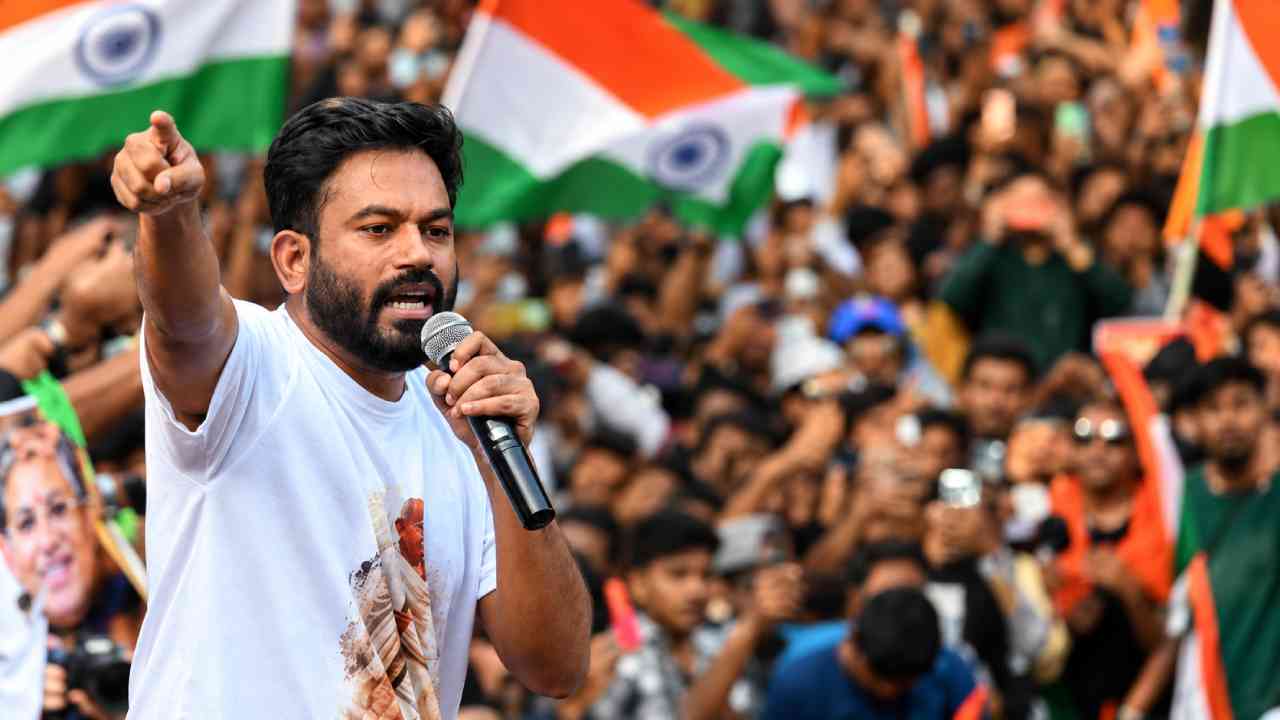
Brivify – Political tension in India remained high after a New Delhi court ordered the release of three youth movement leaders. Cockroach Party founder Abhijeet Dipke was among them. Police had detained the group ahead of a planned demonstration in the capital. Their supporters hoped to gather at Jantar Mantar, a well-known protest site in central New Delhi. However, security forces tightened access before large crowds could arrive. The court decision quickly shifted attention back to the political dispute behind the demonstrations. According to the group’s legal team, Dipke and his colleagues must avoid actions that could disturb public order for one year. Therefore, the restriction may shape their next political moves. More importantly, the episode has expanded the national conversation about election administration, political accountability, and public trust.
Read Also: BMW i3 M60 Could Turn the Electric 3 Series into a 604bhp Contender
New Delhi Becomes the Center of Political Tension
New Delhi became the center of the confrontation as protesters prepared for a major gathering. The Cockroach Party and other youth groups expected thousands of people to join them at Jantar Mantar. However, security forces restricted access around the area before the crowd could fully assemble. Police and paramilitary personnel guarded several important locations across the capital. Authorities also closed some metro stations and markets. In addition, officials restricted mobile internet services in parts of the central business district. These measures changed the atmosphere across central New Delhi. Meanwhile, the strong security response attracted even more attention to the protesters’ demands. What began as a planned gathering soon developed into a wider political dispute. As a result, the demonstration became part of a larger debate about elections, public protest, and political participation in India.
Mass Detentions Bring Greater Attention to the Protests
Police detained far more people than Dipke and his two colleagues during the security operation. Estimates varied, although reports placed the number in New Delhi between roughly 2,000 and 2,500. The group reportedly included activists, opposition politicians, journalists, lawyers, and other demonstrators. Meanwhile, police in Mumbai also detained hundreds of people during related protests. The scale of the operation quickly expanded public attention beyond the Cockroach Party leadership. It also raised questions about how authorities should manage large political gatherings. Governments need to protect public safety, especially when thousands of people gather in one area. However, they must also respect space for peaceful political participation. Therefore, the response to a demonstration can become almost as important as the original issue. In this case, the large security operation added another layer to an already sensitive political debate.
Voter Roll Changes Drive the Political Dispute
A dispute over India’s voter rolls sits at the heart of the protests. Demonstrators have challenged the Special Intensive Revision process, commonly called SIR. They argue that the changes could influence political competition and benefit the governing Bharatiya Janata Party. However, election authorities and the BJP reject allegations of wrongdoing. Therefore, the claims remain politically disputed rather than established facts. Still, the controversy shows why voter registration can become a major democratic issue. Electoral rolls determine who can participate at the ballot box. Even administrative changes can attract intense scrutiny when political trust starts to weaken. Opposition groups have also questioned how the revisions could affect state-level elections. Ultimately, transparent procedures and clear evidence will matter more than political accusations. Citizens need reliable information to understand how officials update voter lists and how those changes could affect future elections.
Protesters Increase Pressure on Election Officials
The protesters have also directed their demands toward Chief Election Commissioner Gyanesh Kumar. They want him to resign over concerns about the voter roll revision. This demand has transformed a technical disagreement into a wider debate about institutional accountability. However, a demand for resignation does not prove misconduct. Election authorities continue to reject allegations that officials designed the revision process to favor one political group. The BJP has also denied those claims. Consequently, voters now face two competing narratives. Protesters want stronger scrutiny of the process, while officials maintain that they have followed proper procedures. Clear public information could help reduce this divide. Election authorities can strengthen confidence by explaining how they verify, add, or remove names from voter lists. At the same time, critics need evidence to support serious allegations. Transparency remains essential when political trust comes under pressure.
Cockroach Party Gains Wider National Attention
The Cockroach Party, formally known as the Cockroach Janta Party, has gained attention far beyond its youth movement roots. Its unusual name may spark curiosity, but recent political events have brought greater scrutiny to its leaders and agenda. Dipke’s detention and release gave the movement another moment of national visibility. For a young political group, that attention can create both opportunities and challenges. Greater recognition allows leaders to reach new audiences and explain their ideas. However, wider exposure also encourages closer examination of their organization and political goals. The movement must now decide how to use this momentum. Street demonstrations can generate attention quickly, but lasting political influence requires a consistent message. Therefore, the Cockroach Party’s future may depend on what happens after the immediate controversy fades. Its leaders will need to turn public visibility into a clearer political identity.
Read Also: Coco Gauff Battles Pressure On and Off Court at China Open
Heavy Security Measures Spark a Broader Debate
Authorities placed thousands of security personnel across New Delhi as they prepared for the demonstration. They also restricted transportation, closed some commercial areas, and limited access to Jantar Mantar. From a security perspective, officials must protect residents and prevent disorder. Nevertheless, democratic societies also need space for peaceful disagreement. Balancing these responsibilities becomes harder when large crowds gather around politically sensitive issues. The situation in New Delhi highlights that challenge. Strong preventive measures may reduce the risk of clashes. However, extensive restrictions can also make protesters feel that authorities have limited their ability to speak publicly. Consequently, attention can shift from the original protest toward the government’s response. That shift matters because the handling of demonstrations can influence public confidence. The debate now concerns both election issues and the boundaries of peaceful political expression.
Election Trust Matters Beyond Political Rivalries
India manages elections across an enormous and diverse population. Therefore, public confidence plays a crucial role in keeping the system credible. Political parties will naturally disagree about rules, policies, and election outcomes. However, disputes involving voter eligibility carry particular weight because they affect access to the ballot. The current controversy shows how an administrative process can quickly become a national political issue. Protesters and opposition groups have raised concerns about the voter roll revision. Meanwhile, election officials and the BJP have rejected accusations of improper conduct. Clear documentation can help citizens judge those competing claims. Likewise, critics can strengthen their arguments by presenting verifiable evidence. Political slogans alone cannot settle questions about election integrity. In any democracy, voters need transparent rules and consistent procedures. When people understand how the system works, institutions have a stronger foundation for maintaining public trust.
Dipke’s Release Leaves the Larger Debate Unresolved
Abhijeet Dipke and the other Cockroach Party leaders may now walk free, but their release does not settle the wider dispute. Questions about voter roll revisions, election administration, and political accountability remain open. Meanwhile, the scale of the security operation has created another debate about public protest. These issues make the situation more complex than a single court order. The Cockroach Party must now decide how to maintain its momentum while following the conditions linked to the release. Election officials face a different challenge. They need to answer public concerns while protecting confidence in the electoral process. Ultimately, transparent information will matter more than political slogans from either side. The street demonstrations may eventually lose intensity, but questions about electoral trust could continue. How India’s political institutions respond may shape the next stage of this debate.

Post Comment