Climate Change: The Growing Global Warming Threats We Face
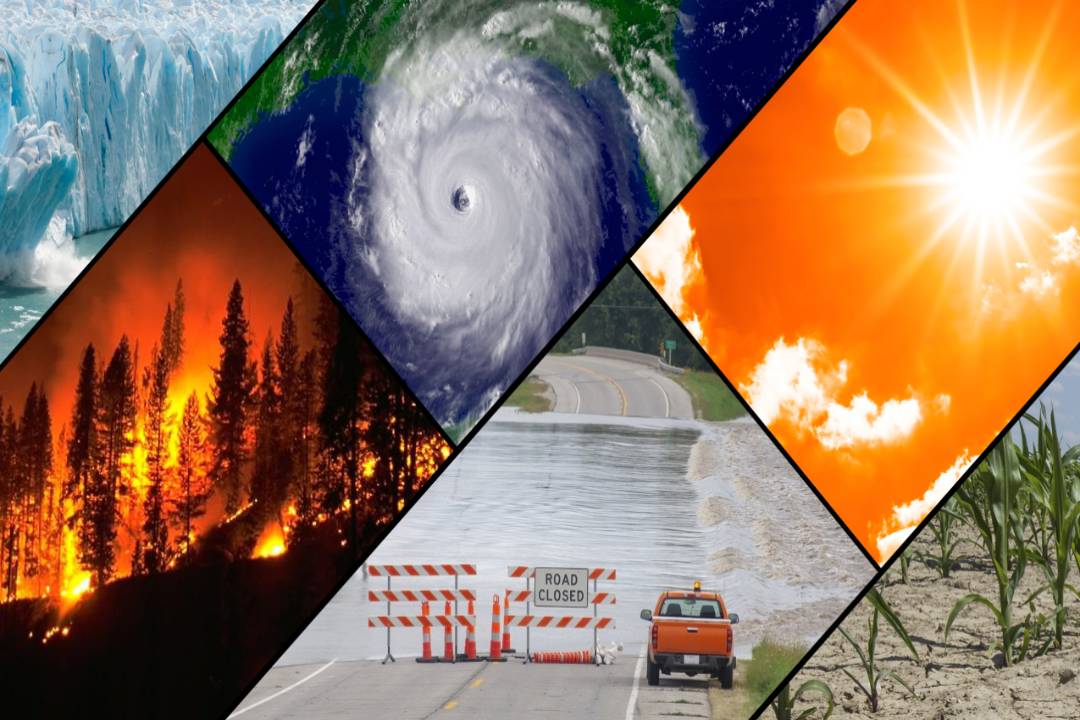
Brivify – Climate Change he Growing Global Warming Threats We Face is one of the most pressing issues of our time. It is no longer a distant threat, it is a reality that affects every part of the globe. From rising temperatures to extreme weather events, the impact of climate change is undeniable. In my opinion, one of the most alarming aspects of climate change is how rapidly it is accelerating. What was once considered a slow-moving crisis is now a fast-moving emergency. While the conversation around climate change has evolved, the urgency to take action has not matched the scale of the threat. Without immediate and substantial changes, the world as we know it could be irreparably altered. Addressing climate change requires collective action, policy shifts, and individual commitment.
“Read Also: Land Cruiser SE, the 2026 Luxury SUV Predicted to Set“
The Science Behind Climate Change: How Global Warming Occurs
Climate Change is driven by global warming, which is caused by the accumulation of greenhouse gases like carbon dioxide (CO2) and methane in the atmosphere. These gases trap heat from the sun, leading to an increase in Earth’s temperature. In the past century, human activities such as deforestation, fossil fuel combustion, and industrial emissions have contributed to an alarming rise in greenhouse gases. As a result, temperatures are climbing, polar ice caps are melting, and ecosystems are being disrupted. In my experience, understanding the science behind climate change makes it clear how human actions have a direct and irreversible impact on the planet.
Rising Global Temperatures: A Wake-Up Call for Humanity
One of the most visible effects of climate change is the rising global temperatures. Over the past few decades, the average global temperature has increased, with 19 of the 20 warmest years on record occurring since 2001. This increase in temperature leads to severe weather patterns, including more intense heatwaves, wildfires, and droughts. In my opinion, these temperature shifts are not isolated incidents, they are a sign of a deeper, more systemic problem. As the planet warms, the ecosystems that rely on stable weather patterns, such as agriculture, are at risk. The rise in temperatures also threatens biodiversity, as species struggle to adapt to changing climates.
The Role of Extreme Weather Events in Climate Change
Climate Change is also driving an increase in extreme weather events. Hurricanes, floods, wildfires, and droughts are becoming more frequent and more severe. These weather events not only cause immediate destruction but also have long-term economic and social consequences. For example, in 2020, the world experienced a record number of natural disasters, with climate-related events causing significant loss of life and property damage. In my view, the link between climate change and extreme weather events is one of the most compelling reasons for urgent action. The longer we delay, the more vulnerable we become to these increasingly unpredictable events.
Melting Ice Caps: Rising Sea Levels and Their Impact
One of the most dramatic consequences of climate change is the melting of polar ice caps. As global temperatures rise, glaciers and ice sheets in places like Greenland and Antarctica are melting at an unprecedented rate. This melting contributes to rising sea levels, which poses a significant threat to coastal cities and communities around the world. Cities like Miami, Jakarta, and Venice are already experiencing the effects of rising sea levels, with increased flooding and erosion. In my opinion, the melting ice caps are a stark reminder of how climate change is not just a theoretical problem, but one that is already changing landscapes and livelihoods.
The Economic Cost of Climate Change: A Growing Financial Burden
Climate Change is not just an environmental issue; it is also an economic one. The cost of dealing with the effects of climate change, from rebuilding after natural disasters to adapting infrastructure — is staggering. In 2017 alone, global economic losses from extreme weather events reached $330 billion. These costs are expected to rise as climate-related events become more frequent and severe. In my experience, these financial losses often disproportionately affect developing nations, which have fewer resources to cope with the impact of climate change. If these costs continue to rise, they could undermine global economic stability, leading to further inequalities.
The Health Risks of Climate Change: A Growing Public Health Concern
Climate Change is also contributing to a global health crisis. Rising temperatures and changing weather patterns create conditions for the spread of diseases. For example, warmer climates are expanding the range of mosquitoes that carry diseases like malaria and dengue fever. Additionally, air pollution caused by increased industrial activity and deforestation contributes to respiratory issues and heart disease. Vulnerable populations, such as children and the elderly, are particularly at risk. In my opinion, addressing climate change is not only an environmental issue but also a public health imperative. The longer we wait, the more we endanger human lives.
“Read Also: Australia Opens First Public Hearing on Antisemitism“
The Role of Renewable Energy in Combating Climate Change
A key solution to addressing Climate lies in shifting to renewable energy sources. Solar, wind, and hydropower are all clean, sustainable alternatives to fossil fuels. Transitioning to renewable energy not only reduces greenhouse gas emissions but also helps create a more resilient energy system. In my view, investing in renewable energy is one of the most effective ways to combat climate . Countries like Denmark and Costa Rica have already made significant strides in adopting renewable energy, showing that it is both feasible and necessary. By transitioning to renewable energy, we can reduce our reliance on fossil fuels, lower emissions, and create a more sustainable future.
The Importance of Individual Action in the Fight Against Climate Change
While government action and large-scale industrial changes are crucial, individual action also plays a significant role in combating Climate . Simple steps like reducing energy consumption, using public transportation, and adopting sustainable eating habits can all make a difference. Additionally, supporting policies and companies that prioritize environmental sustainability can help drive broader change. In my opinion, the power of individual action lies in its ability to inspire others. When one person makes sustainable choices, it can encourage others to do the same. Collective efforts, no matter how small, can create the momentum needed to combat climate on a larger scale.
Why Urgent Action on Climate Change is Necessary
Climate is one of the most urgent challenges humanity faces. The window to mitigate the worst effects is closing rapidly. If we do not take immediate action to reduce greenhouse gas emissions, invest in renewable energy, and adapt to the impacts of climate , the consequences will be severe and irreversible. In my view, the time to act is now. Future generations will judge us by the decisions we make today. We have the opportunity to take control of our future and prevent the worst effects of climate. However, that opportunity will not last forever.