Shelley Fabares Dies at 82, Leaving a Lasting Hollywood Legacy
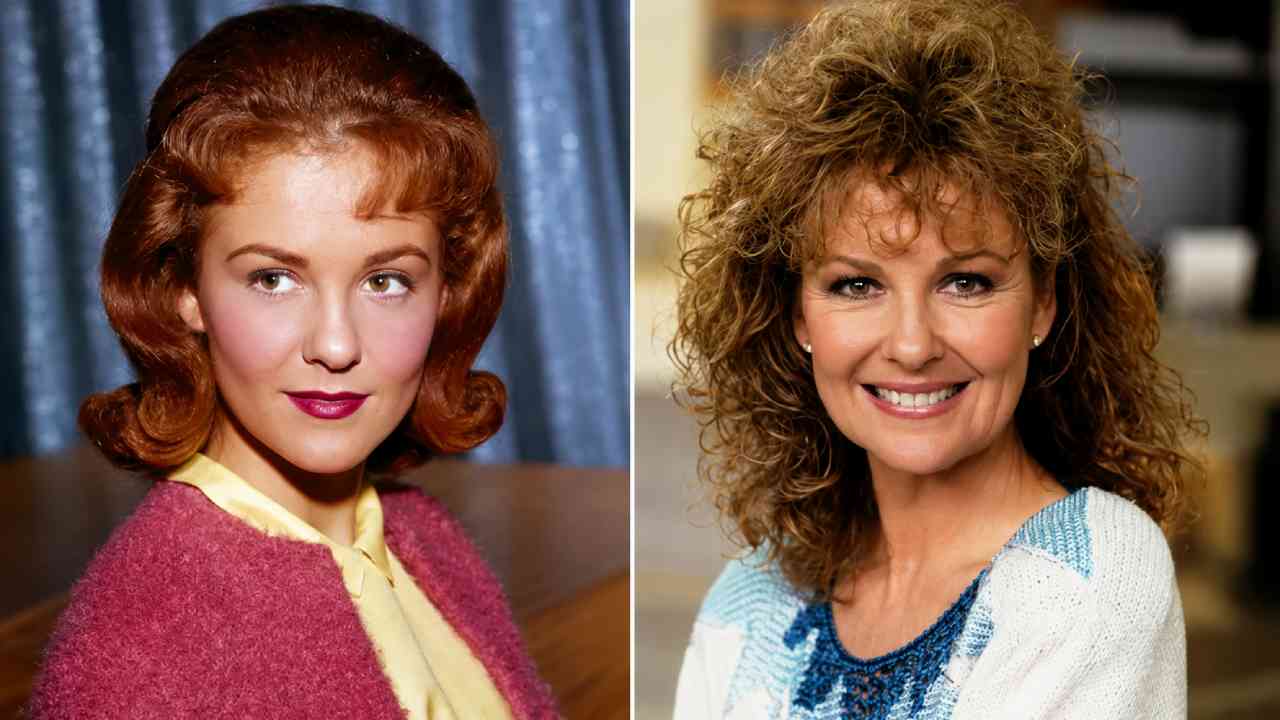
Brivify – Shelley Fabares, the actress and singer whose career stretched across several generations of American television, has died at the age of 82. She died in Los Angeles on Saturday, August 22, 2026, surrounded by loved ones. No cause of death was immediately announced. For many viewers, Fabares will forever be remembered as Mary Stone on The Donna Reed Show. Others discovered her decades later through Coach, where she played Christine Armstrong. Between those defining television roles, she built a career that also included music and film. Her 1962 single “Johnny Angel” reached No. 1 on the Billboard Hot 100, while her movie career included three films alongside Elvis Presley. Fabares’ longevity made her unusual in an industry where early fame does not always translate into lasting success. Her death closes a Hollywood career that connected classic television, 1960s pop culture, and later sitcom audiences.
Read Also: Meet Herbie Wertheim, the Man Who Paid $40 Million for a Ferrari Luce
Mary Stone Made Her a Familiar Face Across America
One of the defining chapters of Shelley Fabares’ career came through The Donna Reed Show. She played Mary Stone and became a regular presence on the series from 1958 through 1963. The role arrived during her teenage years and helped turn her into a recognizable young television star. Yet the experience carried significance beyond fame. Fabares later spoke warmly about Donna Reed and the influence she had on her life. She remembered Reed for qualities including strength, compassion, and integrity. That relationship helps explain why the series remained such an important part of Fabares’ personal story decades later. Moreover, playing Mary Stone placed her at the center of an era when family sitcoms were becoming powerful fixtures in American homes. Instead of becoming only a nostalgic figure from that period, however, Fabares continued working and eventually found major roles that introduced her to entirely new audiences.
Johnny Angel Revealed Another Side of Her Talent
Television was only one part of the Shelley Fabares story. During her years on The Donna Reed Show, she also entered the recording industry. The move produced one of the most memorable achievements of her career. In 1962, “Johnny Angel” reached the top of the Billboard Hot 100. The success transformed Fabares from a popular television actress into a recording star during an especially competitive period in American pop music. She ultimately had two Top 40 hits. Still, music never completely replaced acting as the center of her professional life. Instead, it became another chapter in a career defined by versatility. Looking back, “Johnny Angel” also captures an important moment in early-1960s popular culture. It connected television celebrity with the rapidly evolving world of youth-oriented pop music. Decades later, the song remained closely associated with Fabares, showing how a relatively brief recording career could leave a surprisingly durable cultural footprint.
Three Elvis Presley Movies Expanded Her Film Career
As Shelley Fabares became increasingly recognizable, Hollywood also offered opportunities beyond television. During the 1960s, she appeared opposite Elvis Presley in three films: Girl Happy, Spinout, and Clambake. Working with Presley placed her alongside one of the most famous entertainers of the era. These movies also gave audiences another way to encounter an actress already familiar from television. Her film career extended beyond those collaborations, but the Presley projects remain among her most recognizable big-screen credits. They represent an era when music, cinema, and television celebrity frequently overlapped. Fabares moved comfortably through those worlds without allowing one project to define her entire career. That flexibility would prove valuable later. As Hollywood changed and the teenage roles of the early 1960s became part of the past, she continued searching for characters that fit a more mature stage of her life.
One Day at a Time Marked Another Television Chapter
By the late 1970s, Shelley Fabares had successfully moved beyond the youthful image associated with her earliest fame. She appeared as Francine Webster on One Day at a Time, adding another recognizable sitcom role to her résumé. The performance helped demonstrate something important about her career: she could evolve with television rather than remain attached to one era. That ability is easy to underestimate. Many performers become inseparable from the characters that first make them famous. Fabares, however, repeatedly found ways to return in roles suited to different stages of her life. Her television work also included appearances across numerous programs over the years. Consequently, viewers who had never watched The Donna Reed Show could still recognize her. This gradual reinvention helped prepare the way for another major role that would arrive at the end of the following decade.
Coach Introduced Shelley Fabares to Another Generation
A major career revival came when Shelley Fabares joined Coach as Christine Armstrong. The sitcom began in 1989 and eventually became one of her signature television projects. Her performance earned her two Emmy nominations, adding another important achievement to a career that had already lasted for decades. The role also gave Fabares something especially valuable: a new generation of viewers. Audiences who knew little about Mary Stone or “Johnny Angel” could discover her through Christine. That kind of cross-generational recognition is difficult to achieve. More importantly, it showed that her longevity was not built solely on nostalgia. She continued earning substantial roles long after her earliest success. Coach therefore represents more than a comeback. It demonstrates how Fabares managed to build distinct chapters in television history rather than simply extending the first one.
Her Career Connected Several Eras of American Pop Culture
The longevity of Shelley Fabares becomes particularly striking when her major accomplishments are placed side by side. She became famous through a family sitcom during the late 1950s. A few years later, she had a No. 1 pop hit and appeared in movies with Elvis Presley. Then came further television work, including One Day at a Time. Decades after Mary Stone first appeared on television, Fabares found another defining character on Coach. Few entertainment careers move through so many cultural periods while maintaining public recognition. Her story also reflects how dramatically Hollywood changed during those decades. Television evolved, music shifted, and the studio-driven film culture of her youth gave way to new forms of entertainment. Nevertheless, Fabares remained connected to the industry. Her legacy is therefore not based on one famous performance. It comes from the accumulation of memorable work across television, film, and music.
Health Challenges Changed the Direction of Her Later Life
Away from the screen, Shelley Fabares faced a serious health crisis. She experienced liver failure and underwent a liver transplant in 2000. Surviving such a major medical event added a very different chapter to a life previously known largely through entertainment. Her later years also included advocacy connected with Alzheimer’s awareness after her mother experienced the disease. These experiences showed a side of Fabares that audiences did not necessarily see through sitcoms or movies. Fame had shaped much of her public identity, yet her life outside entertainment carried challenges that demanded resilience in another form. Her advocacy also allowed her public profile to serve a purpose beyond promoting a television project or film. In retrospect, this part of her story adds depth to the glamorous image associated with her early Hollywood career.
Read Also: Turkey and Israel Trade Sharp Accusations as Netanyahu Arrest Push Escalates
Family Remembered More Than Her Hollywood Achievements
Public audiences naturally remember Shelley Fabares through characters, songs, and films. Her family, however, emphasized qualities that existed away from cameras. Following her death, relatives remembered her for the love, strength, humor, and comfort she brought to people around her. Fabares had been married to actor Mike Farrell since 1984 and is survived by him and her stepchildren. Those personal memories create an important contrast with the statistics of a successful entertainment career. A No. 1 record, Emmy nominations, long-running sitcoms, and films with Elvis Presley provide an impressive professional summary. Yet they cannot completely describe a person. The family’s remembrance instead points toward the relationships and everyday character behind the celebrity image. That perspective gives her passing a more human dimension and explains why tributes extend beyond admiration for her work.
Her Television Legacy Reached Far Beyond One Famous Role
It would be easy to remember Shelley Fabares primarily as Mary Stone. After all, The Donna Reed Show gave her the breakthrough that established her as a teenage star. However, reducing her career to that single character misses what made her professional journey distinctive. She successfully moved from child and teenage acting into adult roles. Later, she established another memorable television identity through Coach. Between those landmarks came film performances, sitcom appearances, and music success. This adaptability became one of her greatest professional strengths. Rather than fighting against the passage of time, Fabares seemed able to find a place within changing entertainment landscapes. Her career demonstrates that longevity in Hollywood often depends on more than early popularity. Reinvention, patience, and the ability to connect with different audiences can matter just as much.
Shelley Fabares Leaves Behind a Multigenerational Legacy
The death of Shelley Fabares at 82 marks the loss of a performer whose work touched remarkably different generations. Some fans will remember watching Mary Stone as television entered a defining period of American culture. Others may immediately think of “Johnny Angel” or her films with Elvis Presley. For another audience, Christine Armstrong on Coach remains the role most closely connected with her name. Together, those memories reveal the unusual breadth of her career. She was a teenage television star who avoided becoming trapped in her youth. She became a chart-topping singer without abandoning acting. Later, she returned to prominent television work and earned Emmy recognition. Beyond entertainment, she survived a major health crisis and supported Alzheimer’s awareness. Her Hollywood legacy, therefore, is not contained within one decade. It stretches across a lifetime of reinvention, resilience, and memorable performances.



Post Comment