Flu Outbreak at US Military Base Affects Hundreds of Recruits
Brivify – A recent Flu Outbreak at a major United States military training facility has drawn national attention after hundreds of recruits reportedly became ill within a short period. The incident occurred at Lackland Air Force Base in Texas, one of the busiest military training centers in the country. While flu cases are not uncommon in crowded environments, the scale of this outbreak has sparked discussions about military health protocols, vaccination policies, and disease prevention. Moreover, the timing of the outbreak has intensified public interest because it followed a significant change in vaccination requirements. As health officials continue to monitor the situation, many experts are examining what lessons can be learned from this event and how similar outbreaks can be prevented in the future.
Read Also: Mercedes-Benz VLE Review: A Refined Electric MPV That Redefines Practical Luxury
Why the Flu Outbreak Spread So Quickly
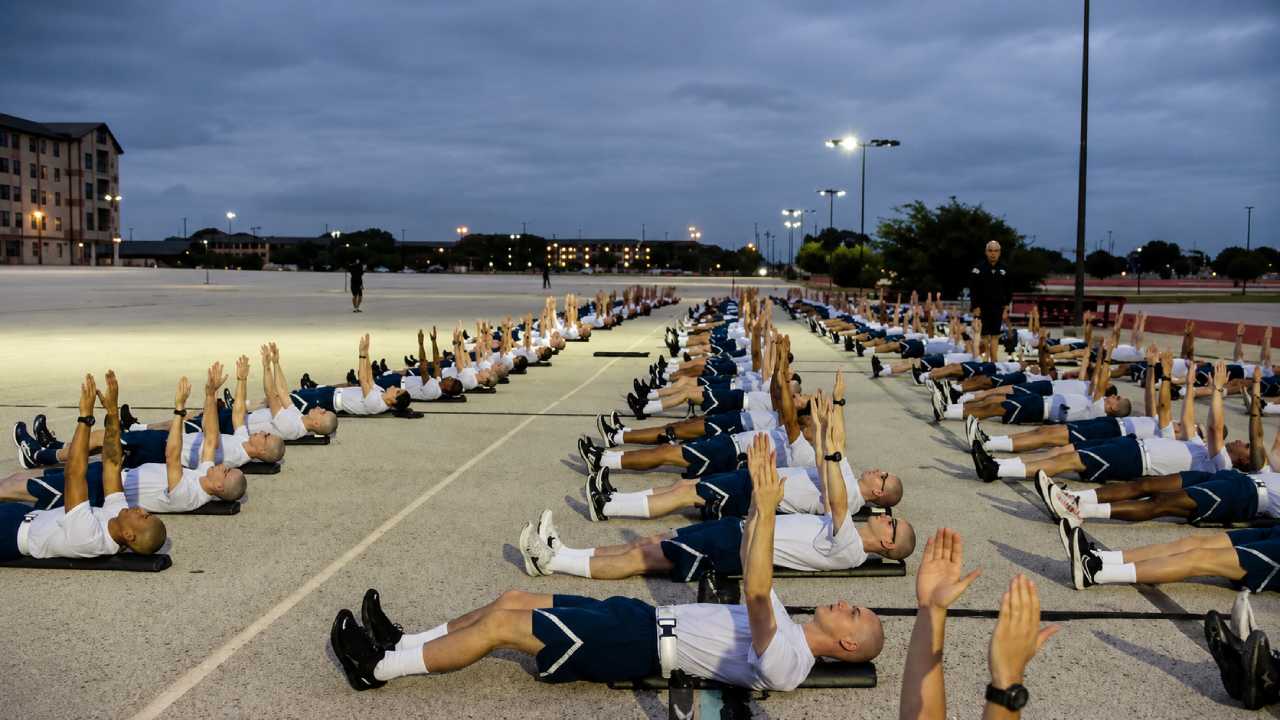
Military training environments create unique conditions for respiratory viruses to spread. Recruits typically live in shared dormitories, eat in common dining facilities, and participate in close-contact activities throughout the day. Consequently, a virus can move rapidly from one person to another. In the case of this Flu Outbreak, the close living quarters likely played a major role in accelerating transmission. Furthermore, many recruits arrive from different regions, bringing varying levels of immunity and exposure histories. Because new trainees spend long hours together during physically demanding exercises, the opportunity for viral spread increases significantly. As a result, health officials faced the challenge of containing infections while maintaining training operations.
Lackland Air Force Base at the Center of Attention
Lackland Air Force Base serves as the primary basic military training center for the U.S. Air Force. Every year, thousands of recruits pass through its programs before beginning their military careers. Therefore, any health-related issue at the base naturally receives widespread attention. This particular Flu Outbreak affected a large number of trainees within a relatively short timeframe. Although military officials described the situation as localized, the outbreak highlighted the vulnerability of high-density training facilities. Additionally, the base’s importance within the military system means that disruptions can have broader implications for training schedules and readiness. Consequently, both military leaders and healthcare professionals have been closely monitoring developments.
The Role of Vaccination Policy Changes
One reason this outbreak generated significant debate is its timing. Earlier in 2026, influenza vaccination requirements for military personnel were adjusted, making annual flu shots optional rather than mandatory in some circumstances. Following that policy shift, vaccination rates reportedly declined. While experts caution against drawing direct conclusions without comprehensive data, many public health professionals note that vaccination remains one of the most effective tools for reducing severe illness and limiting transmission. Therefore, the outbreak has reignited discussions about balancing personal choice with collective health protection. Moreover, the event has encouraged policymakers to review whether existing preventive measures are sufficient for high-risk environments.
Medical Response and Containment Efforts
Once the Flu Outbreak was identified, military healthcare teams moved quickly to contain its spread. Symptomatic recruits received medical evaluations, antiviral medications, and temporary isolation when necessary. These measures are commonly used to reduce transmission and support recovery. In addition, medical staff increased monitoring efforts across training units to identify new cases early. Rapid intervention is often critical during respiratory disease outbreaks because delays can lead to exponential growth in infections. Fortunately, coordinated healthcare responses can significantly reduce complications and prevent further escalation. As a result, containment strategies became a key focus of the military’s response plan.
The Human Impact Behind the Numbers
Although statistics help explain the scale of an outbreak, they do not fully capture its human impact. For recruits, basic military training is already one of the most physically and mentally demanding experiences of their lives. Therefore, falling ill during this period can create additional stress and uncertainty. Families often worry when reports of widespread illness emerge, especially when hospitalizations are involved. Furthermore, any serious medical incident within a training environment attracts public scrutiny. Beyond the numbers, this Flu Outbreak serves as a reminder that health and readiness are deeply connected within military organizations.
Read Also: USMNT Inches Closer to Its Golden Generation Moment at World Cup 2026
What Experts Say About Military Health Risks
Public health experts have long recognized military facilities as environments where infectious diseases can spread rapidly. Historical records show that influenza outbreaks have occurred in military camps around the world for decades. However, modern healthcare systems, vaccination programs, and surveillance technologies have significantly improved outbreak management. Even so, experts emphasize that prevention remains more effective than response. Therefore, maintaining strong health protocols is essential. Many specialists believe that regular vaccination, early detection, and clear communication form the foundation of successful disease control strategies. Consequently, this outbreak may encourage additional reviews of current health practices.
Lessons Learned From the Flu Outbreak
Every outbreak provides valuable lessons for future preparedness. In this case, the incident highlighted how quickly respiratory viruses can spread in densely populated settings. It also demonstrated the importance of rapid medical intervention and ongoing health surveillance. Furthermore, the outbreak reminded organizations that policy changes can have unintended consequences that require careful monitoring. While investigations and evaluations continue, military leaders are expected to assess existing procedures and identify areas for improvement. Ultimately, the goal is not only to respond effectively to current cases but also to strengthen defenses against future health challenges.
Looking Ahead as Recovery Continues
As recovery efforts continue, officials remain focused on protecting recruits while maintaining training operations. The situation appears manageable, yet healthcare teams are likely to remain vigilant in the coming weeks. Meanwhile, discussions surrounding vaccination policies, disease prevention, and military readiness are expected to continue. The Flu Outbreak at Lackland Air Force Base may eventually fade from headlines, but its broader implications will likely influence future health decisions. Most importantly, the incident underscores the ongoing need for preparedness in environments where large groups live and work together every day.