Taiwan Rolls Out New Cruise Missile Prototype in Strategic Partnership with the US
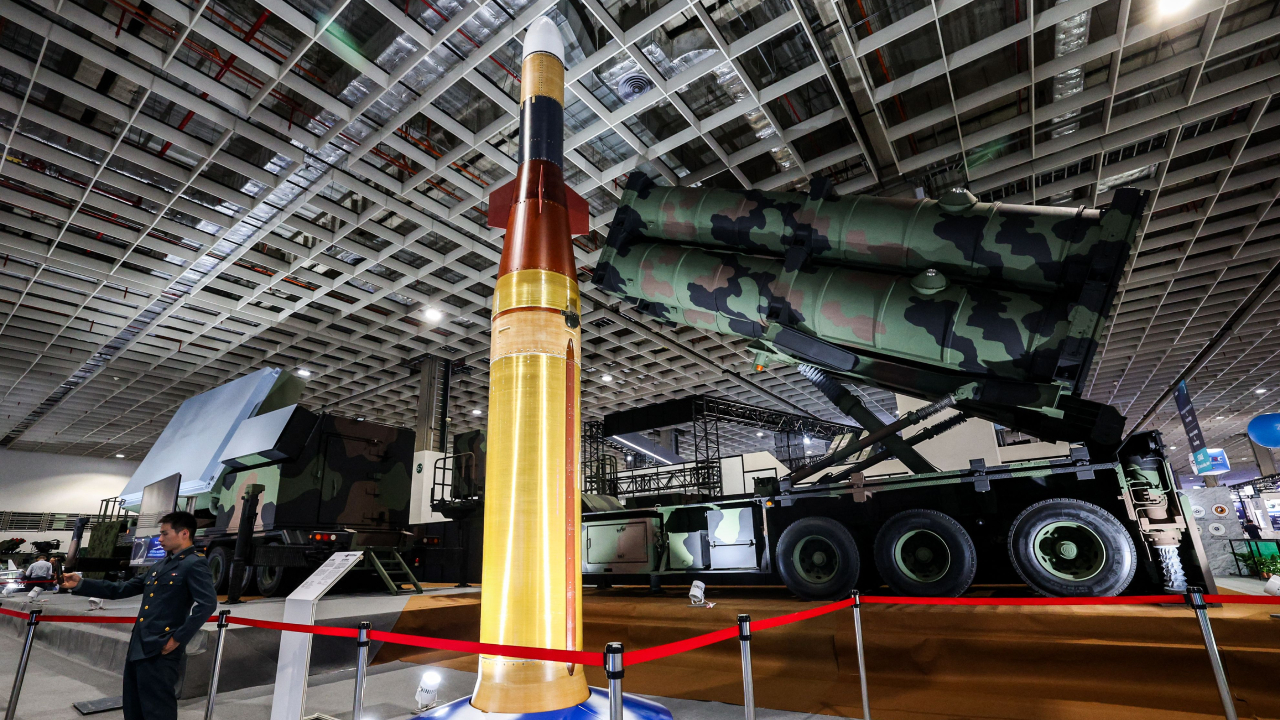
Brivify – Taiwan has taken a bold step by unveiling a prototype cruise missile developed jointly with the US defense company Anduril Industries. The announcement came just before the island’s largest defense expo, signaling Taiwan’s determination to boost its domestic weapons industry. With China intensifying its military, diplomatic, and economic pressure, this move underscores Taipei’s resolve to build deterrence. For Taiwan, the cruise missile represents not only new military hardware but also a symbol of technological independence.
“Also read: AI Threats and Stricter Rules Reshape France’s Cybersecurity Landscape“
A Collaboration Between NCSIST and Anduril
The missile was developed by Taiwan’s state-run National Chung-Shan Institute of Science and Technology (NCSIST) in cooperation with Anduril Industries, a relative newcomer among US defense contractors. Adapted from Anduril’s Barracuda-500, the missile is designed as a low-cost, land-mobile, autonomous system capable of striking targets both at sea and on land. While NCSIST did not disclose its range, the emphasis on affordability and autonomy indicates a focus on mass production and rapid deployment.
Cost and Production Plans on the Island
NCSIST President Li Shih-chiang revealed that Taiwan plans to roll out the production line within the next 18 months. Each missile will cost approximately $216,000, a price point intended to balance effectiveness with scalability. Importantly, Li stressed that the entire supply chain would be based in Taiwan, reducing dependency on external suppliers. This approach not only strengthens domestic industry but also safeguards against potential disruptions in international arms shipments.
Expanding Defense Innovation Beyond Missiles
Alongside the cruise missile, NCSIST also showcased prototypes of an underwater drone and an autonomous mobile mine. Both projects are set to be co-developed with Anduril, highlighting Taiwan’s ambition to diversify its defense technology. By expanding into undersea warfare systems, Taiwan is preparing to counter threats across multiple domains. This diversification reflects a comprehensive strategy: combining air, land, and maritime tools to create a layered defense network.
US Backing and the Role of Washington
The United States remains Taiwan’s primary security partner and arms supplier. However, global demand has recently strained American manufacturers, slowing deliveries. This situation makes Taiwan’s domestic production capability more critical than ever. Washington’s tacit support, combined with partnerships like Anduril’s, strengthens Taiwan’s defense posture. Moreover, Anduril founder Palmer Luckey praised Taiwan’s manufacturing strength, suggesting the island is entering a “techno-industrial renaissance” that parallels its rise in consumer electronics.
“Read more: Luxembourg Joins France and Others in Plan to Recognize Palestine at UN Assembly“
China’s Strong Warning Against Interference
Beijing responded with strong rhetoric. Chinese Defense Minister Dong Jun condemned what he called “external military interference” at the Xiangshan Forum in Beijing. He warned that China would never tolerate separatist movements and promised to counter foreign involvement in Taiwan “at any time.” By invoking terms such as “Cold War mentality” and “hegemonism,” Beijing sent a clear message to Washington and its allies. These statements reflect China’s longstanding position that Taiwan is a red line in its foreign policy.
The Larger Geopolitical Context
Taiwan’s unveiling of the missile is more than a technological achievement—it is a statement of intent. As China continues to deploy warships and jets near the island, Taipei is under pressure to prove its readiness. With President Lai Ching-te pledging to raise defense spending to 5% of GDP before 2030, Taiwan is making it clear that it will not be caught unprepared. While tensions remain high, the partnership with Anduril illustrates a broader trend: Taiwan is investing in self-reliance while deepening security ties with the US and its allies.