Spain’s Deadliest Summer Heat Claims More Than 5,000 Lives
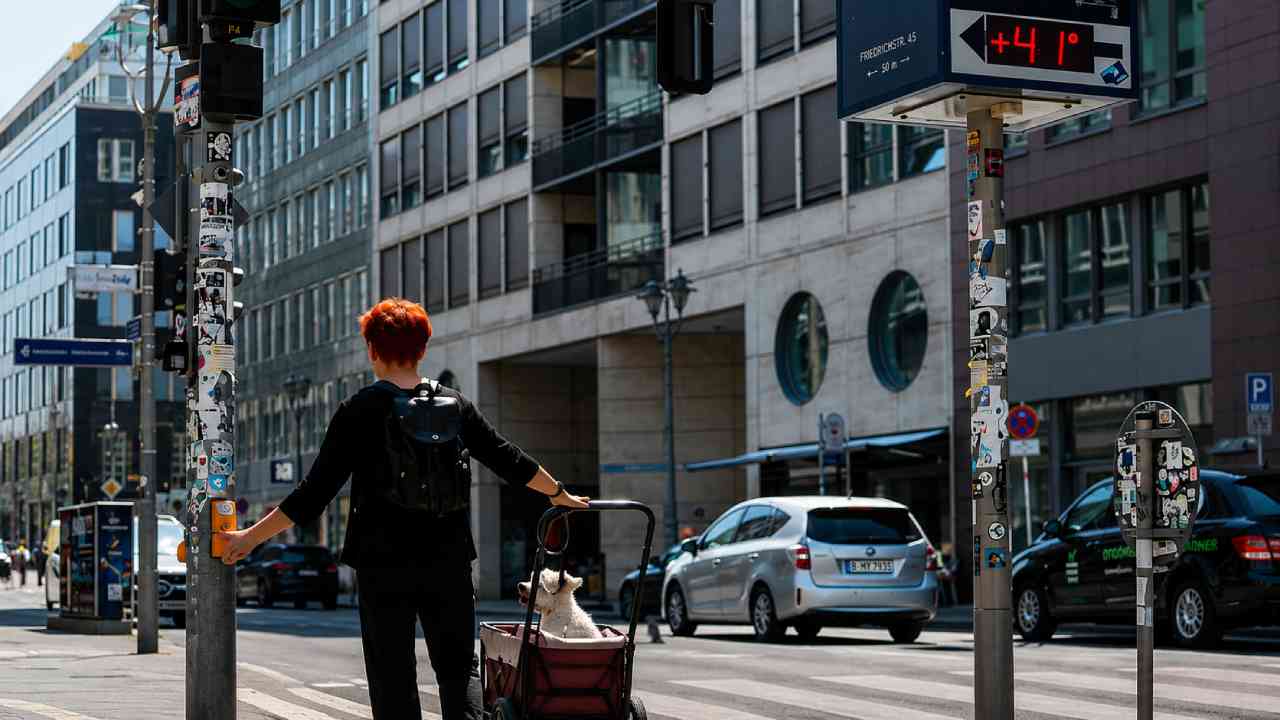
Brivify – Spain’s Deadliest summer heat period has left a troubling human toll, with more than 5,000 heat-related deaths recorded between June and August 2026. According to the figures provided in Spain’s public health monitoring data, the total represents a new high since records began in 2015. The number also moves beyond the previous summer benchmark from 2022. However, the story goes far beyond a single record. Repeated periods of extreme heat can turn an uncomfortable summer into a serious public health challenge. Moreover, the impact may continue even when individual heat waves receive less public attention. Spain’s experience shows why temperature records matter most when viewed through their effects on people. Behind every statistical comparison are communities facing hotter days, warmer nights, and greater pressure to adapt.
Read Also: Toyota GR Yaris vs VW Golf GTI: Which Hot Hatch Wins?
More Than 5,000 Deaths Were Recorded From June to August
The scale becomes clearer when looking at the three-month period as a whole. More than 5,000 heat-related deaths were recorded in Spain between June and August. In comparison, the previous high for the same period stood at 4,652 deaths in 2022. Therefore, the latest figure represents more than another unusually hot season. It establishes a new peak within the monitoring period that began in 2015. Still, heat-related mortality statistics require careful interpretation. Public health monitoring often estimates mortality associated with temperature rather than suggesting that every case carries “heat” as a simple cause on a death certificate. That distinction matters when reporting the figures responsibly. Nevertheless, the overall signal remains serious. When mortality rises alongside sustained extreme temperatures, the data can help authorities understand the wider health burden created by severe summer conditions.
Repeated Heat Waves Changed the Character of Summer
One extremely hot afternoon is different from weeks of repeated heat. During prolonged hot periods, buildings may struggle to cool overnight. Meanwhile, people receive fewer opportunities to recover before temperatures rise again. That cumulative pressure helps explain why extended heat waves deserve greater attention than isolated temperature records. During the summer of 2026, Spain experienced a succession of intense hot spells. Consequently, extreme temperatures became a recurring feature rather than a brief weather event. From a public health perspective, duration matters because exposure builds over time. Hot nights can also make recovery more difficult, especially when indoor spaces remain warm. Therefore, understanding a heat wave requires more than checking the highest daytime temperature. Frequency, duration, nighttime conditions, and local exposure all influence how severely a community experiences extreme heat.
Western Europe Also Faced Exceptional Temperatures
Spain was not alone in dealing with an extraordinary summer. Western Europe experienced exceptional heat during June and July, with climate monitoring indicating record-setting conditions across the region. This broader context is important because heat waves rarely respect national borders. The same large weather patterns can expose several countries to unusually high temperatures at once. As a result, public health systems across Europe may face similar challenges during the same period. However, local effects can still differ significantly. Housing quality, access to cooling, urban design, age distribution, and health services can influence how communities cope. Therefore, regional temperature records should not be treated as identical experiences everywhere. Spain’s mortality figures provide one national picture within a much larger European heat story.
Extreme Heat Is More Than an Uncomfortable Weather Event
People often associate summer heat with crowded beaches, air conditioners, cold drinks, and uncomfortable commutes. Yet extreme heat can become a significant health hazard when exposure lasts long enough. The human body normally regulates temperature through mechanisms such as sweating and increased blood flow near the skin. However, very hot conditions can make that process harder, particularly when other risk factors are present. Older adults, infants, outdoor workers, and people with certain existing health problems may face greater risks. In addition, social conditions matter. Someone living alone in a poorly ventilated apartment may experience heat differently from a person with reliable cooling. For this reason, heat preparedness cannot rely only on telling individuals to drink more water. Communities also need clear warnings, accessible information, appropriate healthcare planning, and practical ways to reduce exposure.
Cities Can Experience Heat Differently
Urban environments add another layer to the challenge. Roads, concrete, rooftops, and dense development can absorb heat during the day and release it later. As a result, some urban areas remain warmer after sunset than surrounding locations. This effect can become particularly uncomfortable during long heat waves. Furthermore, access to shade, trees, ventilation, and cooling is not distributed equally across every neighborhood. These differences mean that the same weather forecast can produce different experiences within one city. In my view, this is why heat adaptation needs to become part of long-term urban planning rather than an emergency response alone. More shade, thoughtful building design, accessible cooling spaces, and effective warning systems cannot eliminate extreme weather. However, they can help communities become better prepared when temperatures rise.
The 2022 Comparison Shows How Serious the Record Is
The previous benchmark provides useful perspective. Between June and August 2022, Spain recorded 4,652 heat-related deaths, according to the figures cited for that period. That summer was already remembered for severe heat across Europe. Now, the 2026 total has surpassed it. Comparisons like this help show how unusual the latest season has been within the available record. However, records should also be interpreted carefully. Monitoring methods, population characteristics, and exposure patterns can influence comparisons over time. Therefore, one number should never become the entire story. The broader pattern matters more: repeated episodes of severe heat continue to create measurable health consequences. For policymakers and communities, the practical question is not simply whether another record will fall. It is how effectively preparations can reduce harm during the next prolonged hot period.
Read Also: Marco Bezzecchi Reveals Terrifying 300 KM/H Duel With Marc Marquez
Heat Protection Depends on Preparation Before Temperatures Peak
Effective heat protection often begins before the hottest afternoon arrives. Early warnings can give households, healthcare providers, care facilities, and local authorities time to prepare. Meanwhile, simple actions can reduce individual exposure. Staying hydrated, limiting strenuous activity during peak heat, using shade, and keeping indoor spaces as cool as possible can help. Checking on vulnerable relatives or neighbors can also become important during prolonged heat. However, personal precautions have limits. Not everyone can stop outdoor work, purchase cooling equipment, or leave a hot home. Therefore, heat resilience also requires broader public measures. Cooling centers, workplace protections, healthcare readiness, and targeted outreach can support people who have fewer options. The strongest approach combines individual awareness with community-level preparation.
Climate Records Matter Because People Live Through Them
Temperature statistics can sometimes feel abstract. A headline about another record may quickly disappear beneath the next news cycle. Yet the consequences remain tangible for people living through prolonged heat. Families change routines. Outdoor workers adjust schedules when possible. Hospitals prepare for additional pressure. Older residents may need extra support. Therefore, climate and weather records deserve human context. A new maximum temperature is scientifically significant, but its social importance comes from what happens afterward. The same principle applies to mortality estimates. More than 5,000 deaths represent far more than a number in a seasonal report. They underline how environmental conditions can intersect with health, housing, work, and infrastructure. Keeping that connection visible can lead to a more useful conversation about adaptation.
Spain’s Deadliest Heat Record Raises Questions About Future Summers
Spain’s Deadliest summer heat toll should not be viewed only as a historical record. It also raises a practical question about how communities prepare for future extreme temperatures. Spain has extensive experience with hot summers, yet prolonged and intense heat can still create major health consequences. Consequently, adaptation will likely require several approaches working together. Public warnings need to reach people quickly. Cities can improve shade and cooling strategies. Healthcare systems can identify periods of higher demand. Employers can also consider heat exposure in outdoor and physically demanding work. Most importantly, authorities need reliable data to understand which interventions provide the greatest protection. Weather cannot be controlled, but vulnerability can sometimes be reduced. The record from summer 2026 is therefore both a warning and an opportunity to improve preparedness before another severe season arrives.



Post Comment