Saudi Prince Found Dead in Luxury London Hotel, Investigation Reveals Cause of Death
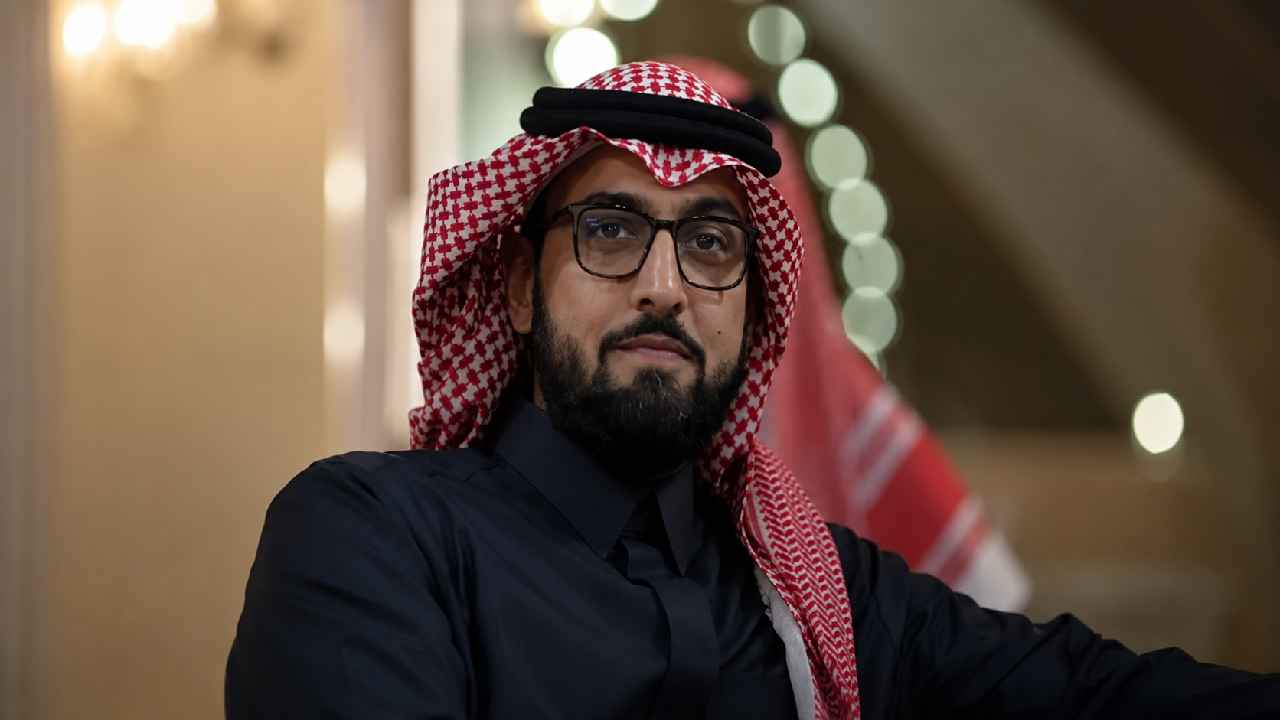
Brivify – A Saudi Prince Found Dead in a luxury London hotel has drawn attention after an inquest revealed the circumstances surrounding his final hours. Prince Abdullah bin Fahad bin Abdullah bin Abdulaziz bin Jalawi Al Saud, 29, died inside his room at the London Marriott Hotel Kensington. A housekeeping employee entered the locked room and found him on the bathroom floor. Emergency teams attempted to revive him, but their efforts failed. Authorities later examined his movements, medical history, toxicology results, and the condition of the room. The evidence pointed to a tragic accident rather than violence or deliberate self-harm. Although the case involves a member of a prominent royal family, the central story remains deeply human. It reflects how substance misuse can create severe risks, even when someone has access to private care and professional support.
Read Also: Range Rover Unveils Revolutionary All-Electric GT as a Bold New Luxury Grand Tourer
His Final Evening Appeared Quiet and Uneventful
Prince Abdullah had checked into the five-star hotel several days before his death. Security footage captured him leaving the property briefly to smoke on the evening before staff discovered him. He then returned to the hotel alone and went back to his room. Investigators reviewed the footage carefully because it helped establish a clear timeline. More importantly, it showed no sign that another person entered the room with him. The locked door and the absence of visible disturbance also supported that conclusion. Nothing in the footage suggested an argument, confrontation, or immediate danger. Instead, the night appeared quiet and ordinary. That detail makes the incident more unsettling. A calm final appearance can hide serious physical danger, especially when alcohol and sedative substances interact inside the body.
Toxicology Results Revealed a Dangerous Combination
The toxicology examination identified a high concentration of alcohol in Prince Abdullah’s blood. The recorded level reached 222 milligrams per 100 millilitres, almost three times England’s legal driving threshold. Medical specialists explained that alcohol at such a level could cause severe unconsciousness or coma. However, alcohol did not act alone. Tests also detected GHB, cannabis, alprazolam, and other anti-anxiety medication. Each substance can affect alertness, breathing, heart rhythm, or coordination. When combined, those effects may become far more dangerous. The body does not process several depressant substances as separate events. Instead, they can intensify one another. This toxicology picture gave investigators the clearest explanation for the sudden collapse. It also showed why apparently familiar substances can become lethal when mixed without medical supervision.
Doctors Found No Underlying Disease
The post-mortem examination found no acute or long-term illness that could independently explain the death. Prince Abdullah did not show signs of a hidden disease that suddenly caused his condition. Instead, medical evidence linked the fatal event to the substances found in his system. The combination appears to have placed extreme pressure on his body and triggered a fatal cardiac episode. This finding shaped the inquest’s final conclusion. It removed several alternative explanations and focused attention on the interaction between alcohol and drugs. From a public health perspective, this distinction matters. People often judge risk by looking at one substance at a time. However, mixed consumption can alter the danger completely. A dose that seems manageable on its own may become unpredictable when paired with alcohol, sedatives, or recreational drugs.
Previous Treatment Showed an Ongoing Struggle
The hearing also examined Prince Abdullah’s earlier treatment for alcohol misuse and dependence on prescription medication. He had entered a specialist clinic for detoxification from alcohol, benzodiazepines, and pregabalin. After that program, he continued receiving care at another facility. Medical staff reported that he engaged with treatment and showed positive progress. A consultant psychiatrist said he responded well during the program and completed the planned care. Nevertheless, recovery from substance dependence rarely follows a simple path. Improvement during treatment does not remove every future risk. Missed follow-up sessions can also reduce the support available during a vulnerable period. This part of the case adds important context without reducing the prince to his final actions. It shows that he had sought help and had experienced periods of progress before the fatal incident.
Investigators Found No Evidence of Suicide
The inquest found no indication that Prince Abdullah intended to take his own life. He had not expressed suicidal thoughts during his treatment, according to the evidence presented. Investigators also found no note or message inside the hotel room. In addition, the available footage showed him returning alone, and the room contained no sign of another person’s involvement. These details allowed the coroner to reject both suicide and foul play as likely explanations. Instead, the court recorded the death as accidental. That conclusion matters because language can shape how the public understands a tragedy. Calling the incident an accident does not reduce its seriousness. Rather, it reflects the evidence that the prince consumed a dangerous mixture without an apparent intention to die. The distinction also prevents speculation from replacing verified findings.
Read Also: Arsenal Transfer News: Bruno Guimarães, Bradley Barcola, and Julián Álvarez
The Case Highlights the Risks of Mixed Substances
The death offers a stark example of how rapidly mixed substances can overwhelm the body. Alcohol slows the central nervous system, while medications such as alprazolam can produce similar effects. GHB can also suppress consciousness and breathing. Together, these substances may cause deeper sedation than a person expects. They can also reduce the ability to recognise danger or seek help. In many cases, someone may lose consciousness before understanding how serious the situation has become. That risk increases in private settings where no one can respond immediately. Therefore, the incident carries a broader warning beyond royal or celebrity news. Substance interactions do not respect status, wealth, or access to treatment. The most effective protection remains avoiding unprescribed combinations and seeking professional help when dependence or repeated misuse begins to develop.
The Saudi Royal Family Held a Formal Farewell
The Saudi Royal Court later confirmed Prince Abdullah’s death outside the kingdom. His funeral prayer took place at Imam Turki bin Abdullah Mosque in Riyadh, a venue often used for prominent royal funerals. Members of the royal family and senior officials attended the ceremony. Their presence reflected the family’s public unity during a difficult period. People close to the prince described him as quiet, well-liked, and discreet in his charitable activities. Those descriptions offer a wider picture of his life beyond the circumstances of his death. Public reports often focus heavily on the final hours of a prominent person. However, one tragic event cannot represent an entire life. Remembering his personal qualities provides a more balanced account while still recognising the seriousness of the inquest findings.
A Private Tragedy Became a Wider Public Warning
The case combines privilege, vulnerability, treatment, relapse risk, and sudden loss. For that reason, it resonates beyond curiosity about the royal family. Prince Abdullah had access to specialist clinics and medical professionals, yet the dangers of substance misuse remained present. That reality challenges the idea that money or status can guarantee recovery. Long-term support, honest follow-up, and careful medication management often matter just as much as the first stage of treatment. In my view, the most responsible way to discuss this death is to avoid sensationalism. The evidence already tells a powerful story. A young man died after his body encountered a dangerous mixture of alcohol and drugs. The tragedy deserves accuracy, restraint, and compassion, especially because substance dependence affects families across every social and economic background.