Philippines Typhoon, A Nation Bracing Through Consecutive Disasters
Brivify – The Philippines Typhoon situation has reached a heartbreaking level as more than 1.4 million people were forced to evacuate in the wake of Typhoon Fung-wong. Although Filipinos are accustomed to storms, this back-to-back disaster shattered the illusion of resilience and exposed deep vulnerabilities. The emotional weight of evacuation, sudden displacement, and uncertainty painted a heavy picture of survival. Many families, still grieving from Typhoon Kalmaegi’s devastation, found themselves packing their belongings for yet another life-threatening storm. I believe this cycle reflects not just a natural rhythm but also a stark reminder of how climate patterns have shifted violently in recent years.
“Read also: Savage Beatings and Dying Trees: How West Bank Settler Violence Is Destroying Palestinian Olive Harvests“
When Fung-wong Arrived, Devastation Followed Immediately
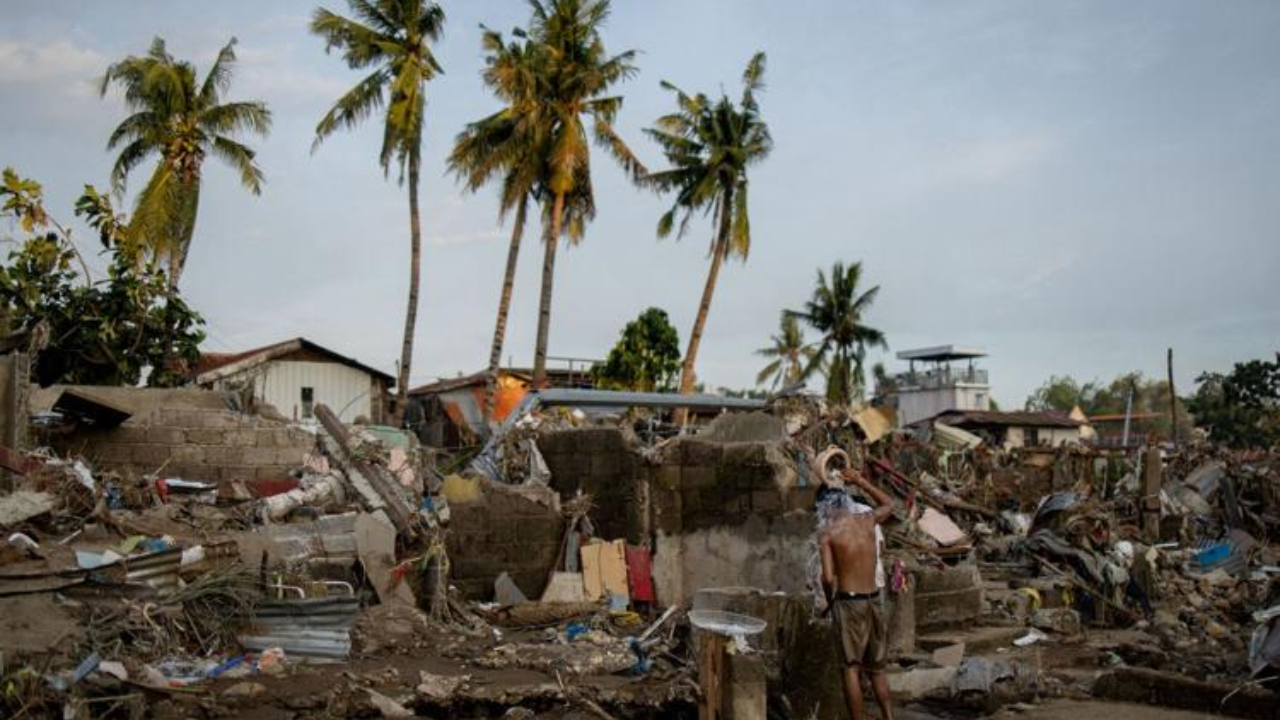
As Philippines Typhoon Fung-wong made landfall, its fierce winds and torrential rains swept across Luzon with brutal intensity. The storm struck Dinalungan with wind speeds reaching 185 kph, instantly plunging entire provinces into darkness. Floods rushed through river valleys while landslides destroyed rural communities overnight. Tragically, two people lost their lives one drowned in Catanduanes and another was crushed by debris in Catbalogan. For those inside evacuation centers, every sound of wind and rainfall carried fear. Moreover, the aftermath revealed thousands of damaged homes, many buried under landslides, leaving rescue teams struggling to reach remote areas.
Millions Seek Shelter as Floodwaters Rise Across Villages
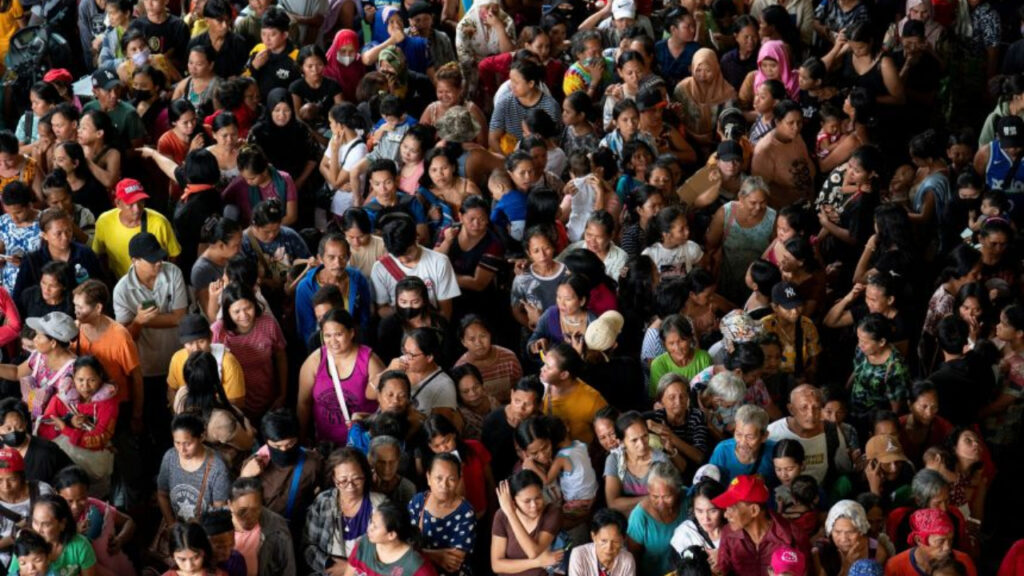
In the days leading up to the Philippines Typhoon, government agencies mobilized massive evacuation efforts. Families crowded into gymnasiums, theaters, and temporary shelters, hoping the storm would spare their homes. Yet more than 130 northern villages still ended up submerged. In one community, floodwaters rose so quickly that residents climbed onto their roofs. It’s chilling to imagine the desperation people screaming for help as currents swallowed entire neighborhoods. Transitioning into the next phase, authorities began prioritizing relief and rescue operations, even though communications and mobility remained difficult in rural zones.
A Nation Exhausted After Kalmaegi’s Catastrophic Impacts
While Fung-wong ravaged northern provinces, the scars of Typhoon Kalmaegi were still fresh. That earlier Philippines Typhoon killed at least 188 people, shattered communities in Cebu, and forced tens of thousands into shelters. Its slow movement dumped extraordinary amounts of rain, flooding urban zones and drowning residents trapped in homes. The disaster left heartbreak, trauma, and a long recovery journey. Now, because resources were redirected to respond to Fung-wong, recovery work in Kalmaegi-hit provinces paused. This pause caused emotional fatigue among survivors who had hoped relief would come sooner.
Climate Realities Are Intensifying the Storms
Experts have repeatedly warned that the climate crisis is reshaping storm behavior across the western Pacific region. Warmer oceans feed energy into tropical systems, allowing typhoons to strengthen quickly. The Philippines Typhoon patterns now show wider rain bands, longer storm durations, and increased rainfall intensity. Climate scientists emphasize that these amplified storms disproportionately affect vulnerable populations. As a storyteller observing these shifts, I feel it’s no longer a question of “if” climate change influences storms it’s how much worse storms will become in the future.
“Read more: Wall Street on Edge: Nasdaq Plunges as the AI Dream Faces Its First Real Test“
Political Scandals Complicate Disaster Preparedness
Beyond the natural threat, the Philippines faces deeply rooted structural issues. Allegations of corruption in flood control infrastructure have triggered mass protests. Reports revealed that legislators and construction companies misused funds intended for flood mitigation. Such scandals undermine trust and leave communities even more exposed. In the context of Philippines Typhoon events, these failures highlight a painful truth: disaster risk is not only shaped by nature but also by governance. Without accountability, even the best warning systems cannot protect lives.
Chaos in Transportation and Power Systems Deepens the Crisis
As soon as the typhoon approached, more than 325 domestic and 61 international flights were canceled. Over 6,600 passengers were stranded at ports due to a coast guard ban on sea travel. Meanwhile, around 3 million Filipinos lost access to electricity. With roads blocked and power lines down, communication lines collapsed. Families struggled to contact loved ones, heightening emotional stress. Despite these breakdowns, emergency teams kept working nonstop to restore power, rescue stranded individuals, and reopen critical transportation routes.
A Nation Searching for Strength Amid Relentless Calamity
Despite hardships, Filipinos continue to show remarkable resilience. After every Philippines Typhoon, stories of bravery emerge volunteers forming human chains, fishermen risking their lives to save neighbors, and community kitchens feeding hundreds. Yet resilience should never replace responsibility. The continuous cycle of storms and disasters demands stronger infrastructure, clearer warnings, and climate-responsive policy reforms. Even as Filipinos stand united, they deserve a government and global support system ready to fight alongside them.