Leaked Treasury Notes Reveal Possible $10 Billion Yen Buying Plan
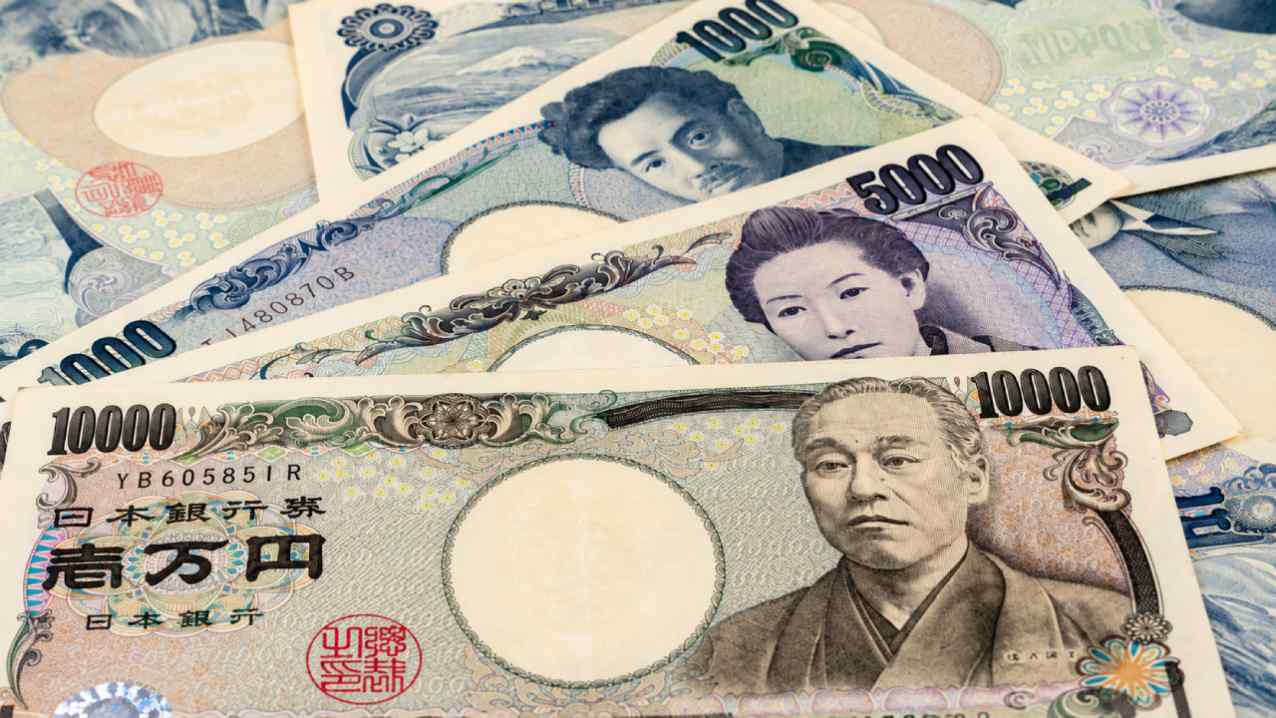
Brivify – Financial markets rarely react to a handwritten note. However, that is exactly what happened after a photograph taken during a U.S. cabinet meeting drew worldwide attention. The image appeared to show a page from Treasury Secretary Scott Bessent’s notebook listing a task that read, “Buy Japanese Yen (JPY) $5–10 bil.” Although no official confirmation immediately followed, the Leaked Treasury note quickly became one of the most discussed financial stories of the day. Investors, analysts, and economists immediately began debating whether the note reflected a genuine government strategy or simply an internal discussion point. As a result, what looked like an ordinary notebook suddenly became a focal point for global financial markets.
Read Also: Ferrari Luce Prototype Review: The EV Ferrari That Could Change Everything
How the Treasury Notes Became Public
The incident occurred during a media-access session at Camp David, where photographers briefly documented the cabinet meeting before officials continued behind closed doors. One Reuters photographer captured an image from behind the Treasury Secretary’s shoulder, revealing part of a notebook lying on the table. The handwritten list included what appeared to be a reminder involving the purchase of Japanese yen worth between $5 billion and $10 billion. Shortly afterward, the image spread rapidly across news platforms and social media. Consequently, the notebook attracted more attention than the official statements delivered during the meeting itself. This unexpected disclosure demonstrated how even a brief visual detail can influence financial discussions.
Why the Japanese Yen Matters So Much
The Japanese yen remains one of the world’s most important reserve and safe-haven currencies. During periods of financial uncertainty, investors often move capital into yen because it has historically maintained stability. However, the currency has recently experienced significant weakness against the U.S. dollar due to interest rate differences, energy costs, and shifting monetary policies. Therefore, any suggestion that the United States might purchase yen naturally attracts considerable attention. Even speculation surrounding potential intervention can influence investor sentiment because currency markets often react before official announcements appear.
Market Reaction Following the Leak
Soon after the notebook image circulated, traders observed noticeable movement in the foreign exchange market. The Japanese yen strengthened while the U.S. dollar lost ground during late trading. Although many factors influence exchange rates each day, the timing encouraged speculation that investors viewed the Leaked Treasury note as a meaningful signal. Furthermore, reports suggested that financial institutions had already received indications that unusual market activity could occur. While these reports remained unconfirmed, they added another layer of interest to an already unusual situation. Financial markets often respond to expectations as much as confirmed events, making perception an important factor.
Could This Be a Rare Currency Intervention?
Direct currency intervention by the United States has become increasingly uncommon over the past decade. Historically, such actions occurred only during exceptional economic circumstances or through coordinated international agreements. One notable example followed Japan’s devastating earthquake and tsunami in 2011, when G7 nations worked together to stabilize financial markets. Therefore, the possibility of another coordinated effort immediately attracted widespread discussion. Nevertheless, experts cautioned that a handwritten reminder should not automatically be interpreted as evidence of an active government operation. Official confirmation remains essential before drawing firm conclusions.
Read Also: UEFA Threatens FIFA Boycott Over Controversial World Cup Investment Plan
Why Investors Watch Every Government Signal
Modern financial markets process information almost instantly. A brief speech, an unexpected interview, or even a photograph can influence investor expectations within minutes. Consequently, government officials face increasing scrutiny whenever public appearances occur. The Leaked Treasury notebook illustrates how accidental disclosures can quickly shape market narratives. Investors continuously search for clues regarding monetary policy, interest rates, and foreign exchange strategies because these factors directly affect asset prices. As technology accelerates information sharing, seemingly minor details often receive global attention before governments have an opportunity to respond.
Transparency and Communication Matter More Than Ever
Public confidence depends heavily on clear and consistent communication from financial authorities. When uncertainty increases, markets often become more volatile because participants attempt to interpret incomplete information. Therefore, governments typically provide official statements to reduce unnecessary speculation whenever significant policy questions emerge. In this case, Treasury officials had not confirmed whether any currency purchase actually occurred. As a result, analysts relied primarily on market data and public reporting while waiting for additional clarification. This situation highlights the growing importance of transparency in maintaining stability across global financial systems.
What This Story Means for Global Markets
Whether the notebook reflected an actual trading plan or merely an internal reminder, the incident demonstrates how sensitive global markets have become to government signals. Investors now analyze not only official announcements but also unexpected details that emerge during public events. The Leaked Treasury story also reminds policymakers that information security extends beyond confidential documents and digital systems. Even a handwritten notebook visible for a few seconds can influence headlines and market expectations worldwide. Ultimately, future official statements and economic data will determine whether this unusual episode becomes a historical footnote or an important chapter in modern currency policy.



Post Comment