Iran Vows to Block Any Second Shipping Corridor Through the Strait of Hormuz
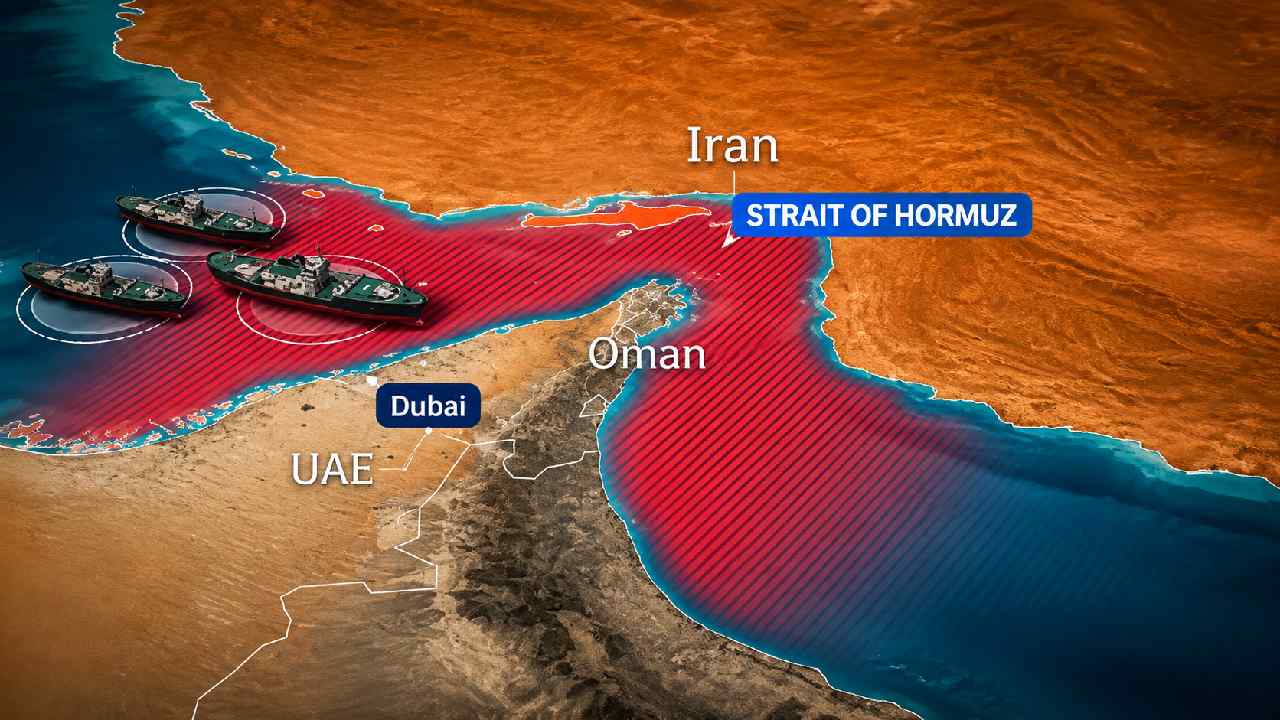
Brivify – Iran Vows to Block any attempt to establish a second shipping corridor through the Strait of Hormuz, signaling that its position on one of the world’s most strategic waterways remains unchanged. The statement comes at a time when regional security continues to draw global attention. Although diplomatic discussions have continued in recent months, Tehran insists that no alternative maritime route will be accepted under external pressure. This firm position reflects Iran’s broader strategy of protecting what it considers vital national and regional interests. As a result, the announcement has once again placed the Strait of Hormuz at the center of international geopolitical discussions.
Read Also: Jaguar F-Type vs BMW i8 vs Porsche 911: Which Sports Car Truly Stood the Test of Time?
Why the Strait of Hormuz Matters to the World
The Strait of Hormuz is one of the busiest maritime chokepoints on the planet. Every day, a significant share of the world’s crude oil and liquefied natural gas passes through this narrow waterway. Consequently, even minor disruptions can influence global energy prices, shipping costs, and supply chains. Because many countries rely on uninterrupted access to Gulf energy exports, stability in the region remains essential for the international economy. For investors and shipping companies, developments around the strait often become an important indicator of market risk. Therefore, every official statement regarding the waterway is closely monitored across financial and political sectors.
Strong Warnings Highlight Rising Tensions
Iranian officials have emphasized that any effort to introduce a second maritime corridor would be viewed as unacceptable. Furthermore, they warned that military measures could be taken if foreign forces attempted to enforce such a plan. These remarks underline the country’s determination to maintain control over security conditions surrounding the strategic passage. While the statements are primarily political, they also illustrate the growing distrust that continues to shape regional relations. Consequently, analysts believe that strong rhetoric may complicate future diplomatic negotiations, even if no immediate military action follows.
Shipping Activity Continues Under Close Watch
Despite the strong political messaging, commercial shipping has continued through the region, although at a slower pace than historical averages. Many shipping operators remain cautious because uncertainty increases operational risks and insurance costs. As a result, some companies have adjusted sailing schedules or strengthened security procedures before entering sensitive waters. Maritime monitoring organizations continue to observe vessel movements carefully, while governments coordinate with industry partners to maintain safe navigation. Although shipping has not stopped entirely, the overall pace reflects the cautious approach adopted by many international operators.
Energy Markets React to Strategic Developments
Energy markets often respond quickly whenever tensions rise around the Strait of Hormuz. Even without physical disruptions, geopolitical uncertainty alone can influence oil prices because traders anticipate possible supply risks. Consequently, investors frequently monitor diplomatic statements alongside military developments. Higher transportation costs, insurance premiums, and market volatility may also affect the global energy sector if uncertainty persists. Nevertheless, market reactions usually depend on whether political rhetoric evolves into measurable operational disruptions. Therefore, analysts continue evaluating both official statements and real shipping activity before adjusting long-term forecasts.
Read Also: European Aquatics Championships Showcase Rising Stars Across Paris
Regional Security Remains a Global Concern
The security of the Gulf region extends far beyond neighboring countries. Nations across Asia, Europe, and other parts of the world depend on stable maritime trade routes for energy imports and commercial goods. Therefore, any escalation around the Strait of Hormuz immediately becomes an international concern. Governments continue encouraging diplomatic dialogue while strengthening maritime cooperation to reduce the risk of unintended confrontation. At the same time, shipping companies invest in contingency planning to protect cargo, crews, and supply chains. These combined efforts demonstrate how closely global commerce is connected to regional stability.
Diplomacy Faces Another Difficult Test
Although political positions remain firm, diplomatic channels continue to play an important role in preventing further escalation. History has shown that periods of heightened tension are often followed by renewed negotiations aimed at reducing misunderstandings. However, progress depends on mutual trust and the willingness of all parties to pursue dialogue rather than confrontation. For this reason, international observers continue watching developments carefully. A balanced diplomatic approach could help prevent additional instability while preserving freedom of navigation for commercial vessels operating in international waters.
Global Markets Will Continue Watching Closely
The latest statement reinforces how the Strait of Hormuz remains one of the most strategically important maritime routes in the world. While commercial traffic continues, uncertainty surrounding regional security is likely to keep governments, investors, and shipping companies on alert. Every new development has the potential to influence energy markets, transportation costs, and broader geopolitical calculations. Consequently, international attention will remain focused on the Gulf as diplomatic efforts and security considerations evolve. In the coming weeks, market participants are expected to monitor both official policies and shipping patterns before drawing conclusions about the region’s long-term stability.



Post Comment