Historic Bangsamoro Election Moves Forward Under Tight Security
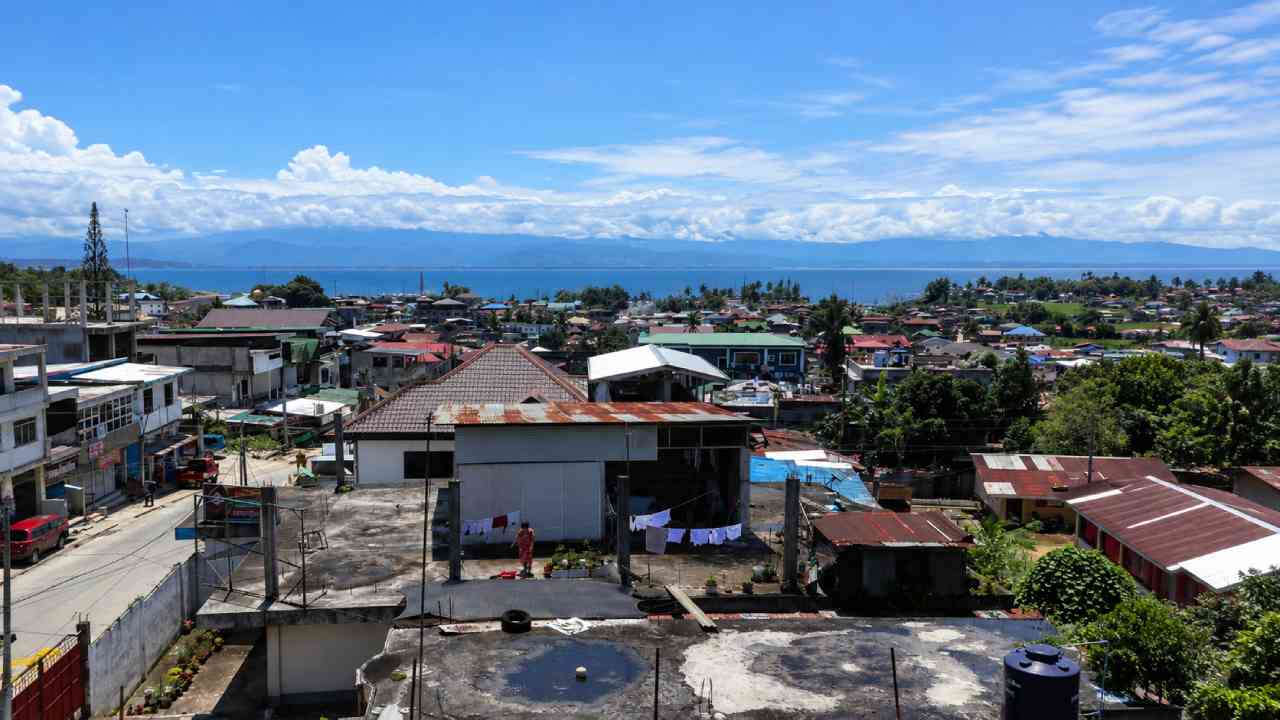
Brivify – The Historic Bangsamoro election brought voters across the southern Philippines to polling stations on Monday. For many residents, casting a ballot meant more than choosing political representatives. The election marked the region’s first parliamentary vote and opened a new chapter in regional politics. Nearly 2.4 million registered voters could take part. However, serious security concerns surrounded the historic occasion. Violence before voting began raised questions about possible disruption. Even so, residents continued to arrive at polling centers. Their participation created a striking contrast between political tension and democratic hope. In my view, this contrast explains why the election carries such importance. Democracy in a region familiar with conflict requires more than successful results. It also needs citizens who trust the ballot. Therefore, every peaceful vote represented another small but meaningful step toward political stability.
Read Also: Mazda CX-6e Review: Bold Electric SUV Brings 300-Mile Range
Voters Arrive Despite an Uneasy Security Climate
Security forces maintained a strong presence around polling areas throughout election day. Officers guarded key locations, while checkpoints helped authorities monitor movement. Rapid-response teams also remained ready to handle possible unrest. Nevertheless, many residents joined voting lines and waited patiently for their turn. In Marawi, people gathered outside polling centers while security personnel watched nearby areas. The scene showed two different realities. The region still faces serious security risks, yet residents continue to participate in democratic politics. This balance matters because security forces alone cannot create lasting stability. Political institutions also need public trust. Moreover, voters must believe that elections offer a credible way to influence their future. Authorities deployed more than 20,000 security personnel across the region. That large operation showed how seriously officials viewed the risks. At the same time, peaceful voter participation offered a more hopeful picture.
Deadly Violence Tests the Calm Before Voting
Hours before polls opened, violence in Cotabato City tested the region’s fragile calm. A confrontation outside a school serving as a polling center turned deadly. Gunfire killed three people and injured 15 others. Police said rival political groups initially argued about their positions in a queue. The dispute then grew into pushing and a physical confrontation. Soon afterward, gunfire broke out among the crowd. The incident cast a shadow over a milestone for regional democracy. However, election activities continued under tighter security. The violence also highlighted a larger challenge for Bangsamoro. Elections can establish democratic institutions, but they cannot instantly change political behavior. Rivalries and competition for influence may continue long after voters leave polling stations. Therefore, political groups must learn to settle disagreements through established rules. That change will play an important role in determining whether parliamentary politics can strengthen regional stability.
Marawi Voters Carry Hope Alongside Caution
The atmosphere in Marawi offered another view of the Historic Bangsamoro election. The city carries painful memories of conflict, yet residents still gathered to cast their votes. Some arrived early and waited calmly for polling stations to open. Their participation reflected excitement, but it also carried understandable caution. People who have experienced political instability rarely forget it when another major election arrives. However, peaceful voting can gradually create different memories. Younger residents may begin to connect political change with ballots instead of confrontation. That shift will take time, but each election can strengthen it. Moreover, younger voters will live with the new political institutions for many years. Their expectations could influence how parties campaign and govern. They may also demand better public services and greater accountability. Therefore, their participation gives the election significance beyond one day of voting. It connects Bangsamoro’s difficult past with its political future.
An 80-Seat Parliament Will Shape Regional Leadership
Voters are choosing representatives for an 80-member regional parliament. This structure gives the election special importance within Philippine politics. The parliament includes party, district, and sectoral representation. After the vote, elected members will influence regional leadership and future policies. Therefore, political alliances could become increasingly important as the new parliament begins its work. Yet winning seats represents only the first challenge. Representatives must also show that parliamentary government can improve everyday life. Residents will expect progress on jobs, education, infrastructure, public services, and community safety. Moreover, regional leaders will need to manage political differences without allowing them to become violent disputes. This task will require negotiation and compromise. In practical terms, voters will eventually judge the parliament by results rather than ceremony. Political autonomy becomes meaningful when people experience better opportunities and stronger services. Consequently, effective governance will determine how much confidence the new system earns.
Public Trust Requires More Than Strong Security
Thousands of security personnel can reduce immediate risks, but they cannot create public confidence by themselves. Voters also need transparent election management and clear political rules. They must believe that officials will protect their ballots and address irregularities quickly. This responsibility becomes especially important during a historic first parliamentary election. Even small problems can create suspicion when political tensions already run high. Therefore, election officials need to communicate clearly whenever difficulties emerge. Political parties also carry responsibility. Their leaders should discourage supporters from turning disagreements into confrontation. Furthermore, candidates need to respect results even when those results disappoint them. Democratic systems become stronger when both winners and losers accept the same rules. In my view, this behavior will matter as much as the security operation itself. Armed officers can protect polling stations for one day. However, political trust must grow through consistent fairness, accountability, and peaceful competition over many years.
Political Competition Enters a Different Era
The Historic Bangsamoro election introduces a different form of political competition. Groups with different backgrounds now seek influence through parliamentary politics. Established political families also remain important players across the region. This combination creates opportunities as well as challenges. Elections give competing groups a peaceful route toward political influence. However, voting does not automatically remove old rivalries. In some cases, elections may even increase competition because political offices bring authority and access to resources. Therefore, parties must keep those rivalries within democratic boundaries. Candidates need to persuade voters instead of intimidating opponents. Meanwhile, institutions must handle disputes fairly and quickly. These habits will not develop after one election alone. They require repeated practice across several political cycles. Still, every peaceful campaign and accepted result can strengthen democratic norms. If that pattern continues, negotiation may gradually replace confrontation as the region’s preferred method for settling political differences.
Read Also: Ben Shelton Chases History Against Alexander Zverev in US Open Final
Economic Progress Will Become a Major Political Test
Security will remain important, but economic progress may become an equally significant test for the new parliament. Regional growth means little to ordinary families unless it creates better opportunities. Residents will expect leaders to improve roads, schools, health services, jobs, and local infrastructure. Therefore, the parliament must connect political autonomy with visible improvements in daily life. This challenge becomes especially important in communities that still face poverty and limited access to services. Moreover, economic opportunity can support long-term stability. People who see realistic paths toward education and employment have more reasons to trust peaceful institutions. However, regional development must reach different communities fairly. If benefits remain concentrated among influential groups, frustration could weaken public confidence. The new parliament therefore carries both an opportunity and a responsibility. It must show that self-government can deliver practical results. Ultimately, voters may remember improved living conditions more clearly than speeches made during election season.
Peaceful Politics Must Extend Beyond Election Day
One election cannot erase decades of political tension. Bangsamoro will likely face disagreements, setbacks, and difficult compromises in the years ahead. Nevertheless, democratic institutions can grow stronger through repetition. Every peaceful campaign, parliamentary debate, and accepted election result can reinforce political norms. The violence before voting showed how quickly local disputes can become dangerous. At the same time, residents still went to polling centers and exercised their democratic rights. Both realities deserve attention. Therefore, progress should not depend on whether one election day remains completely free from trouble. A better measure is how institutions respond when problems appear. Leaders must choose negotiation instead of confrontation. Officials must apply rules consistently. Political parties must also respect the democratic process. If those habits continue, public confidence can gradually increase. Over time, that confidence may become one of Bangsamoro’s strongest foundations for lasting peace and stable government.
Historic Bangsamoro Election Looks Beyond the Ballot Box
The larger political test begins after election day. The new parliament must turn voter expectations into practical policies while managing security concerns and political rivalries. Residents will eventually judge their representatives through changes they can see and experience. Safer communities, stronger schools, better infrastructure, and greater economic opportunity could become the clearest measures of success. For that reason, the Historic Bangsamoro election represents a beginning rather than a finish line. The ballots establish democratic representation, but elected leaders must prove that the system can work. Moreover, accountability will become increasingly important as voters become familiar with parliamentary politics. Citizens will expect leaders to explain decisions and deliver results. If regional institutions meet those expectations, public trust can deepen. In the years ahead, this election may gain significance not simply because it came first, but because of the political culture and governance that followed.


Post Comment