FIFA Faces Pressure to Strip United States of 2026 World Cup Hosting Rights
Brivify – The world of football has once again been thrown into debate as FIFA finds itself under mounting pressure to reconsider the United States role as one of the hosts of the 2026 World Cup. The calls come in the wake of a shocking tragedy in Utah, where conservative activist Charlie Kirk was fatally shot while attending an event at Utah Valley University. Ironically, the incident occurred while Kirk was answering a question about gun violence a grim reminder of how deeply embedded the crisis has become in American society.
“Also read: Alexander Isak Debut with Liverpool, A Night of Promise and Patience“
The Scope of the 2026 World Cup
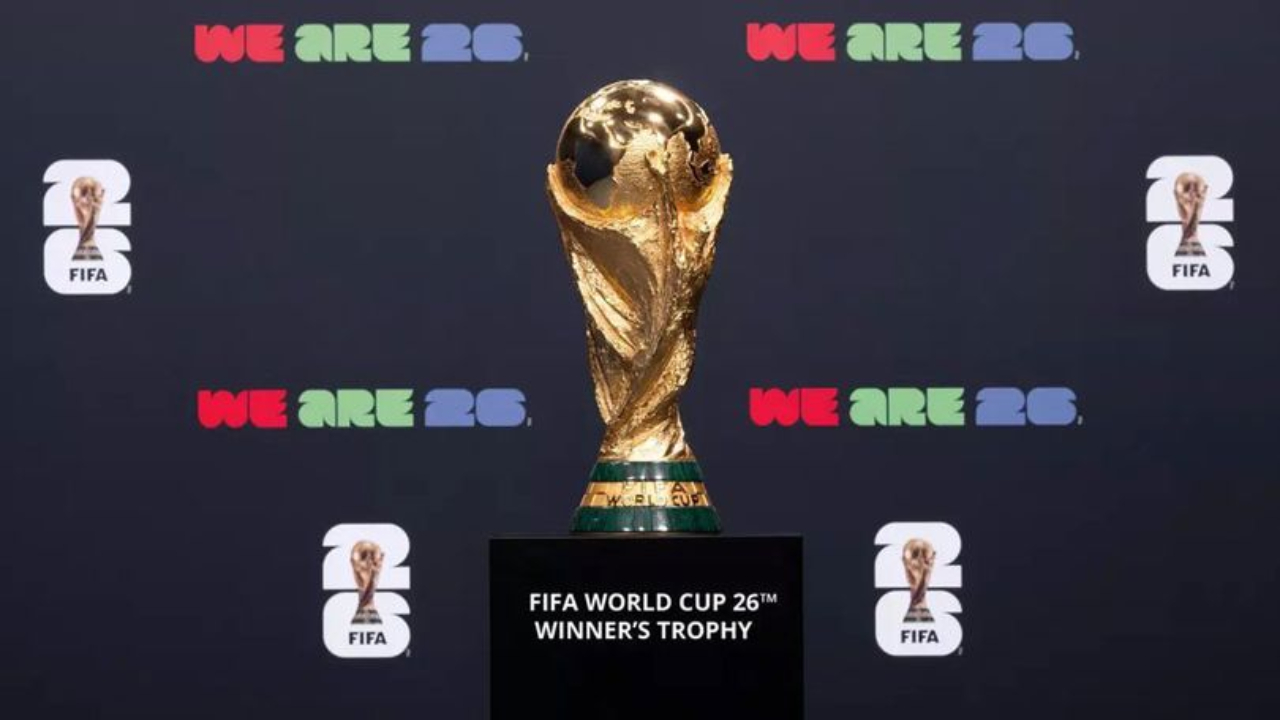
Set to be the biggest tournament in FIFA’s history, the 2026 World Cup will span three nations: the United States, Canada, and Mexico. Yet while excitement builds across North America, Kirk’s death has reignited a conversation about whether the U.S. can truly provide the safety required for millions of fans and players expected to attend. The echoes of past mass shootings and even assassination attempts such as those targeting former President Donald Trump only deepen those doubts.
America’s Struggle With Gun Violence
The tragedy is far from an isolated case. According to data from the Centers for Disease Control and Prevention (CDC), nearly 47,000 people lost their lives to gun-related injuries in 2023 alone. These statistics, coupled with high-profile incidents of violence, have amplified international skepticism about the U.S.’s ability to safeguard such a massive sporting event. While many Americans continue to defend gun ownership as a constitutional right, critics argue that unchecked violence poses an unacceptable risk for a global tournament.
Public Outcry on Social Media
The incident in Utah has also sparked outrage on social media, with football fans across the globe calling on FIFA to take action. Many argue that hosting the World Cup in a country plagued by recurring violence undermines the very spirit of the event, which is meant to unite people through sport. Hashtags demanding FIFA strip the U.S. of its hosting rights began trending almost immediately after Kirk’s death, signaling that public confidence is waning.
FIFA’s Official Stance
Despite the growing outcry, FIFA has shown no indication that it will reconsider the U.S. as a co-host. In a statement, the governing body reaffirmed its commitment to ensuring the highest possible security standards. “The safety and security of supporters and players are a vital part of FIFA World Cup operations,” a spokesperson said, adding that FIFA continues to work closely with federal, state, tribal, and municipal authorities to prepare comprehensive safety plans.
“Read more: Alex Marquez Confirmed to Ride Ducati GP26 in 2026“
Infantino’s Reassurance Amid Doubts
FIFA President Gianni Infantino has attempted to quell the rising concerns. Known for his close ties with Donald Trump, Infantino emphasized that safety remains the organization’s top priority. “No, I have no concerns whatsoever,” he told reporters. “What matters most to us is guaranteeing the security of all supporters coming to the stadiums. This is our priority, and it is shared by all local authorities. We want every attendee to enjoy this moment without fear.”
Political and Social Tensions Add to the Risk
Still, doubts persist. Several U.S. cities scheduled to host World Cup matches have previously been the epicenter of mass protests over social and political issues. For critics, this raises the possibility of unrest or targeted violence during the tournament. The combination of high-profile global attention and America’s ongoing political polarization could prove combustible, no matter how rigorous the security measures.
Between Global Unity and Domestic Crisis
The World Cup is more than a football tournament it is a symbol of unity, joy, and cultural exchange. Yet for many, the persistent specter of gun violence in the U.S. threatens to overshadow that symbolism. While FIFA insists on moving forward, the debate underscores the delicate balance between celebrating the world’s game and confronting one nation’s painful realities. The question remains: will FIFA’s assurances be enough to convince the world that the United States is truly ready to host football’s grandest stage?