Drone Attack Targets Fuel Tanks at Kuwait International Airport
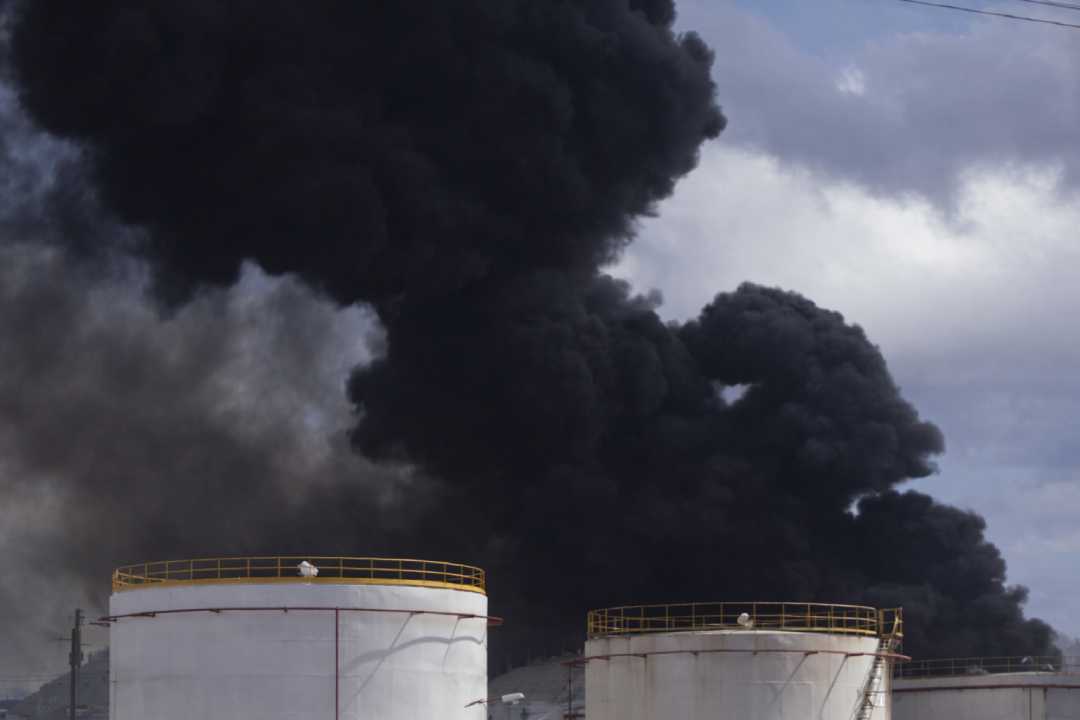
Brivify – Drone Attack Targets Fuel Tanks at Kuwait International Airport On March 8, 2026, a drone attack struck Kuwait International Airport, focusing on fuel tanks in a significant escalation of drone warfare in the region. This assault not only targeted vital infrastructure but also highlighted the rising threat posed by unmanned aerial vehicles in modern conflict. The attack serves as a stark reminder of the vulnerability of critical sites to drone technology, and in this article, we will delve into the attack’s details, its broader implications, and the potential future consequences for regional security.
“Read Also: CEO of Toyota Discusses Challenges Facing Japan’s Automotive Industry in 2026“
The Details of the Attack on Kuwait Airport
Early in the morning, a drone strike targeted multiple fuel tanks at Kuwait International Airport. The attack set off fires in the affected areas. While no casualties were reported, the strike caused significant damage to the infrastructure. Kuwait authorities quickly responded and contained the situation. However, the disruption left the airport vulnerable, highlighting the risks to critical infrastructure. Military personnel immediately stepped in, working to secure the area and prevent further damage.
Rising Drone Threats in the Middle East
This attack is part of a widening trend of drone strikes across the Middle East. Over the years, both state and non-state actors have increasingly turned to drone technology. Drones allow for precise strikes with minimal risk and anonymity, making them ideal for asymmetrical warfare. As drone technology continues to improve, countries in the region may face a growing number of such threats. Security experts believe that these types of attacks will increase as the technology becomes more accessible to various groups.
Impact on Kuwait’s National Security
This drone attack on Kuwait International Airport reveals significant vulnerabilities in Kuwait’s national security. Critical infrastructure such as airports, oil facilities, and government buildings could become future targets. The attack underscores the need for enhanced security measures to protect vital assets. Kuwaiti authorities will likely increase efforts to prevent future attacks. By implementing advanced drone detection systems and improving border security, the country can mitigate risks moving forward.
Geopolitical Ramifications of Drone Warfare
The strike highlights the growing geopolitical risks in the Gulf region. Kuwait, positioned between Iran and Saudi Arabia, has long been a strategic asset in the Middle East. Drone strikes like this one threaten not only regional security but also global relations. As more countries turn to drones for covert operations, tensions will likely rise between competing powers. This attack further emphasizes the need for stronger international agreements on drone use and countermeasures.
Kuwait’s Response to the Drone Attack
After the attack, Kuwait’s military forces quickly mobilized to secure the affected areas. The Defense Ministry began a thorough review of the security protocols at vital infrastructure sites. Anti-drone defense systems will likely play a crucial role in protecting these sites. Kuwaiti authorities also called for increased collaboration with international partners to improve intelligence sharing and defense capabilities. As the investigation into the attack continues, Kuwait will likely strengthen its measures to prevent similar incidents in the future.
“Read Also: Thousands of Participants Join International Women’s Day Walk in Darwin“
The Global Implications of Drone Warfare
This incident highlights the global nature of drone warfare. As drones become more widely available, they can be used to target both military and civilian infrastructure. This raises important concerns about global security and the regulation of unmanned aerial vehicles. The international community will need to address the risks posed by drones, especially as they become a common tool in conflict zones around the world. The attack serves as a reminder that countries must adapt to new threats in the ever-evolving landscape of modern warfare.
Economic Impact on Kuwait and the Region
The economic consequences of this attack could be substantial. Kuwait International Airport is a critical hub for both international trade and tourism. A disruption to its operations could lead to significant delays, affecting airlines, cargo shipments, and travelers worldwide. Additionally, the cost of repairing the damaged infrastructure and investing in better security measures could place financial strain on Kuwait. This incident may push the government to prioritize investment in anti-drone technology and security infrastructure to protect vital sectors.
Looking Ahead: Securing the Future with Anti-Drone Technology
In the aftermath of the attack, Kuwait will likely invest heavily in anti-drone defense systems. These systems use advanced radar and signal jamming technologies to detect and neutralize drones before they can cause harm. As drone threats become more common, regional countries will also need to enhance their defensive measures. Implementing cutting-edge security technology will be critical in protecting strategic infrastructure and preventing future attacks.