Deadly Coal Mine Explosion in China Raises Fresh Questions About Industrial Safety
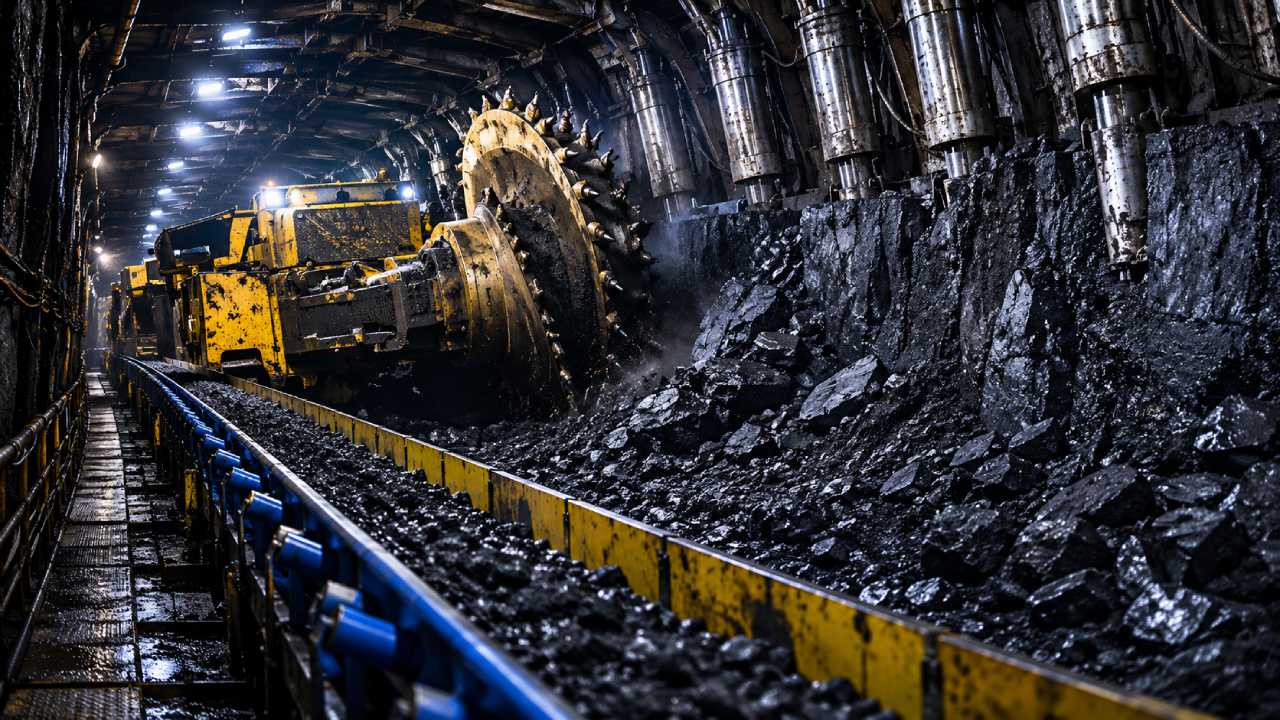
Brivify – Deadly Coal Mine Explosion incidents continue to remind the world that industrial growth often comes with significant human risks. A recent tragedy in China’s Shanxi Province has once again placed workplace safety under intense scrutiny after a devastating coal mine explosion claimed dozens of lives and left many families searching for answers. While emergency teams rushed to the scene and authorities launched investigations, the disaster quickly evolved into a broader discussion about industrial safety standards, regulatory oversight, and the future of coal mining in one of the world’s largest economies. Beyond the headlines and statistics, the incident highlights the challenges faced by workers who operate in hazardous environments every day. It also raises important questions about whether existing safety measures are enough to prevent similar tragedies from occurring in the future.
Read Also: Nissan Sentra Review: A Smarter and Sharper Sedan for Everyday Driving
A Tragic Night That Shook Shanxi Province
The explosion occurred in Shanxi, a region widely recognized as the center of China’s coal industry. Initially, reports focused on rescue efforts as emergency personnel worked around the clock to locate survivors and transport injured workers to nearby hospitals. However, as details emerged, the scale of the disaster became increasingly apparent. Hundreds of workers were reportedly present at the mine during the incident, creating a complex and urgent rescue operation. Consequently, national attention quickly shifted toward the mining sector and its long-standing safety challenges. For many local communities, the tragedy represented more than an industrial accident. It became a deeply personal event that affected families, coworkers, and entire towns connected to the mining industry.
Why Coal Mining Remains One of the Most Dangerous Industries
Coal mining has long been considered one of the most hazardous occupations in the world. Workers often operate deep underground where ventilation systems, gas levels, and structural stability must be monitored continuously. Even a small failure can trigger catastrophic consequences. Furthermore, methane and carbon monoxide gases remain major concerns in underground mines. Because these gases can accumulate without obvious warning signs, strict safety procedures are essential. Although modern technology has improved monitoring capabilities, risks still exist. Therefore, mining companies must constantly balance productivity with safety. When that balance is disrupted, accidents can occur with devastating results.
Early Investigations Point Toward Safety Concerns
While investigators continue examining the cause of the explosion, preliminary reports have indicated that dangerous gas levels may have played a role. Such findings naturally raise questions about operational oversight and compliance with safety regulations. In industrial environments, warning indicators are often designed to prevent disasters before they occur. Therefore, whenever a major accident happens, attention quickly turns to whether warning systems functioned properly. Although it remains too early to draw definitive conclusions, the investigation is expected to focus on safety protocols, equipment performance, and management decisions leading up to the incident. These findings could ultimately influence future policy reforms across the mining sector.
China’s Long History with Mining Accidents
China has experienced numerous mining disasters over the past several decades. In the early 2000s, fatal accidents were reported far more frequently than they are today. As a result, authorities introduced stricter regulations and invested heavily in safety improvements. Over time, those measures helped reduce the number of major incidents. Nevertheless, occasional disasters continue to occur despite stronger oversight. This pattern demonstrates that safety progress, while significant, remains an ongoing process. Each new accident serves as a reminder that regulations alone cannot eliminate risk without consistent enforcement and accountability at every level of operation.
Economic Importance Often Complicates Safety Debates
Coal continues to play a crucial role in China’s energy strategy. Despite rapid investments in renewable energy sources such as solar and wind power, coal remains essential for supporting industrial production and electricity demand. Consequently, mining operations continue at a massive scale across several provinces. This creates a difficult balancing act for policymakers. On one hand, economic growth depends on stable energy supplies. On the other hand, worker safety must remain a top priority. The latest disaster highlights the challenge of managing both objectives simultaneously. In many ways, it reflects a broader global conversation about energy security and industrial responsibility.
The Human Stories Behind the Statistics
When major industrial accidents occur, public attention often focuses on casualty figures and official statements. However, each number represents a real person with a family, aspirations, and responsibilities. Behind every report are communities dealing with grief and uncertainty. Families wait for updates, coworkers support one another, and local economies feel the impact of the loss. Therefore, discussions about industrial safety should never become purely technical. Human experiences remain at the center of every workplace tragedy. Recognizing this reality helps ensure that safety reforms remain focused on protecting lives rather than simply meeting regulatory requirements.
Read Also: Three Super Talented Tennis Players Who Have Never Won a Grand Slam
Industrial Safety in the Age of Advanced Technology
Modern mining operations increasingly rely on automation, sensors, artificial intelligence, and predictive monitoring systems. These technologies have the potential to identify hazards before they escalate into emergencies. For example, advanced gas detection systems can provide real-time alerts, while AI-powered analytics can identify unusual patterns that may indicate developing risks. Nevertheless, technology alone cannot solve every problem. Human judgment, maintenance practices, and organizational culture remain equally important. Consequently, the most effective safety strategies combine technological innovation with strong leadership and continuous workforce training.
Lessons the Global Mining Industry Can Learn
Although the explosion occurred in China, its implications extend far beyond national borders. Mining companies around the world face similar challenges involving worker safety, operational efficiency, and regulatory compliance. Therefore, every major accident offers valuable lessons for the broader industry. Organizations can use these events to review emergency response procedures, strengthen safety audits, and invest in preventive measures. More importantly, they can reinforce a culture where safety is viewed as a long-term investment rather than a short-term expense. Such an approach benefits workers, businesses, and communities alike.
A Reminder That Industrial Safety Must Remain a Priority
The Deadly Coal Mine Explosion in Shanxi serves as a powerful reminder that industrial progress should never come at the expense of human lives. While investigations continue and rescue efforts conclude, the broader conversation about workplace safety is likely to remain in focus. In my view, the tragedy highlights the importance of constant vigilance, transparent oversight, and continuous improvement across high-risk industries. As technology advances and production demands increase, protecting workers must remain a fundamental responsibility. Ultimately, the true measure of industrial success is not only output or profitability but also the ability to ensure that every worker returns home safely at the end of the day.