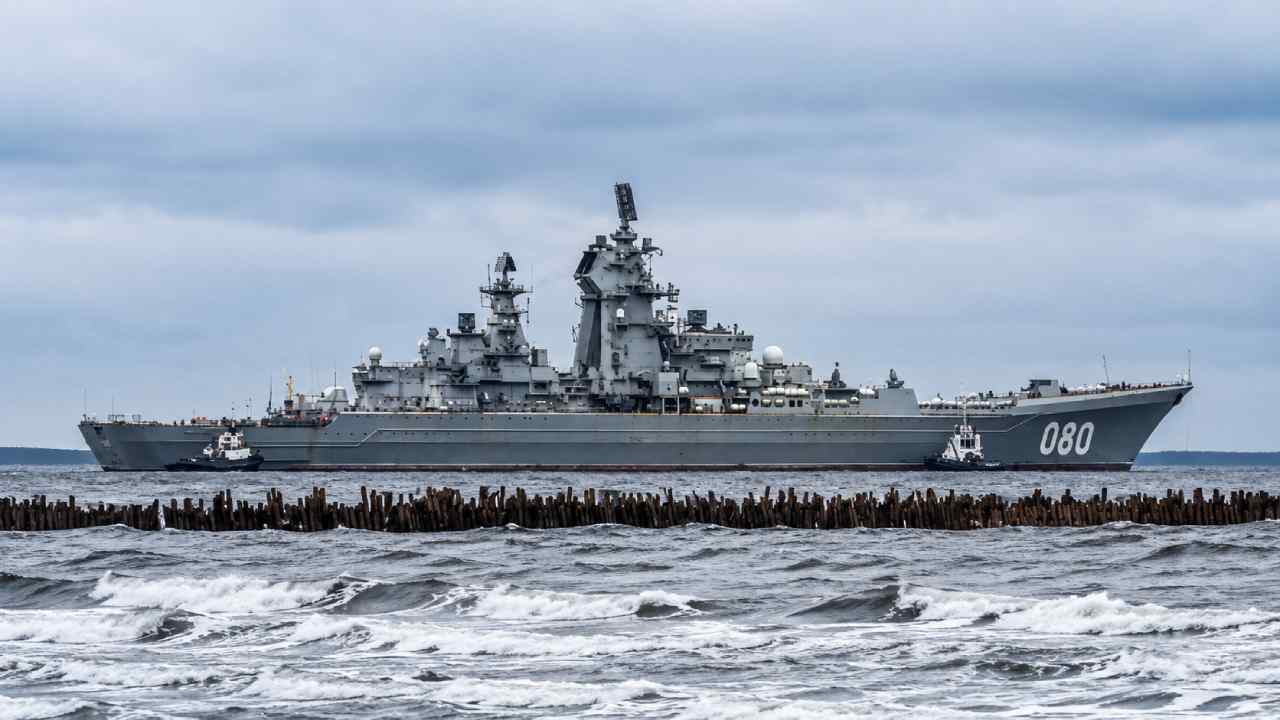
European Allies Reject Trump’s Request to Send Warships to the Strait of Hormuz
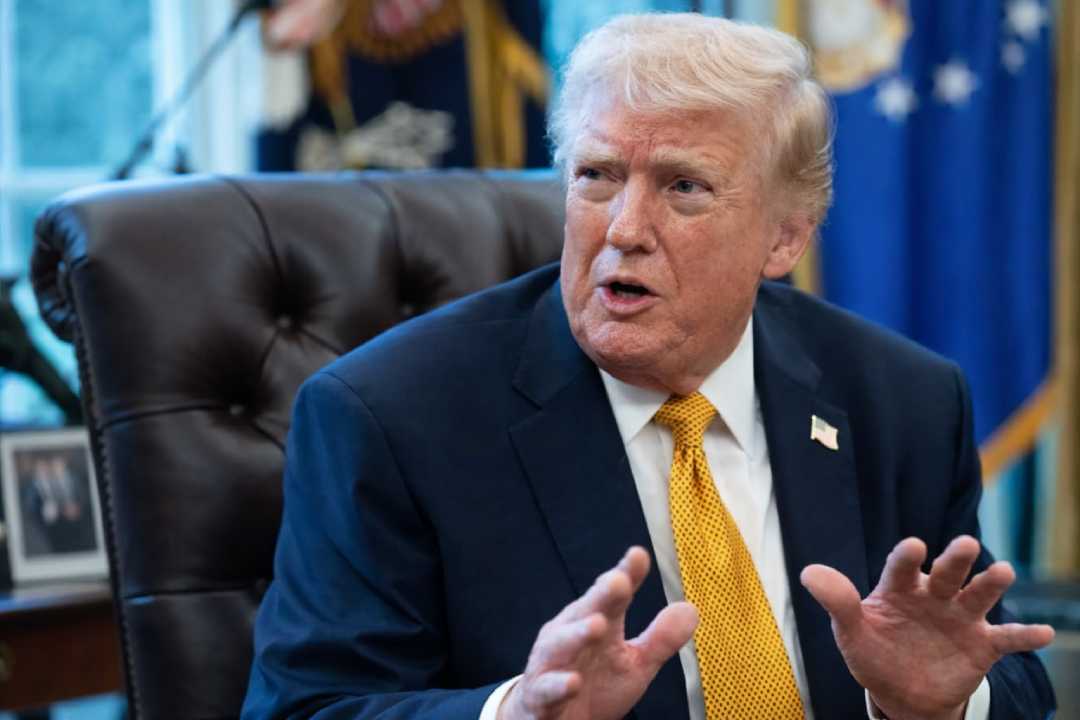
Brivify – European Allies Reject Trump’s In March 2026, European allies made it clear that they would not support President Trump’s request to send warships to the Strait of Hormuz. Amid rising tensions in the Middle East, Trump called for more military intervention to secure the vital shipping lane. However, European leaders have expressed reluctance to become more involved in the conflict. This division highlights the complex geopolitical dynamics that shape global diplomacy today.
“Read Also: Rivian R2 is Here, Starting at $57,990: A New Challenge for Tesla Model Y“
Background on the Request
President Trump’s call for warships to the Strait of Hormuz stems from increasing tensions with Iran. The Strait, a crucial chokepoint for global oil shipments, has become a flashpoint for military confrontations. Trump argued that sending additional naval forces would ensure the safe passage of tankers through the Strait. However, European nations, particularly the United Kingdom, France, and Germany, have shown a preference for diplomatic efforts rather than military escalation.
European Concerns Over Escalation
The primary concern among European allies Reject Trump’s is the potential for further escalation of the conflict. Europe has long advocated for diplomatic solutions, especially with the Iranian nuclear deal, which remains a contentious issue. European leaders fear that increasing military presence could exacerbate tensions in the region, leading to more severe consequences for international stability. The rejection of Trump’s proposal is therefore a reflection of Europe’s commitment to de-escalation and peacebuilding.
Strategic Differences in Foreign Policy
The disagreement also highlights the differing foreign policy priorities between the U.S. and Europe. While the U.S. has often favored a more aggressive stance, Europe has taken a more measured approach, focusing on dialogue and negotiation. This divergence was clearly demonstrated when European nations decided not to back Trump’s military request. Instead, they continue to call for a multilateral approach to resolving issues in the Middle East.
The Impact on Transatlantic Relations
The rejection of Trump’s request by European allies has raised questions about the future of transatlantic relations. While the U.S. and Europe share common interests in the region, their differing approaches to conflict management could strain diplomatic ties. This tension reflects broader concerns about the alignment of NATO members and their ability to present a unified stance on global security matters.
Implications for the Middle East and Global Security
This rejection also has significant implications for the Middle East and global security. The Strait of Hormuz remains a crucial shipping route for oil, and any disruption could send shockwaves through the global economy. European countries, by focusing on diplomacy, are signaling their belief that military intervention is not the right solution. However, the lack of U.S. support for their approach could leave European nations exposed to regional instability.
“Read Also: Apple Lowers App Store Commissions in China After Government Regulatory Pressure“
European Strategy Moving Forward
Europe’s strategy moving forward is focused on diplomatic pressure and multilateral dialogue. European leaders have called for renewed talks with Iran to ensure the stability of the Strait of Hormuz and prevent further military confrontations. While rejecting Trump’s request, they reaffirm their commitment to upholding international law and maintaining the global flow of trade.
The Role of NATO in Future Conflicts
This disagreement may also shape the role of NATO in future conflicts. As Europe and the U.S. move in different directions regarding military involvement, NATO’s ability to act cohesively could be questioned. This could lead to a reevaluation of the alliance’s military strategies and its capacity to maintain unity in the face of regional conflicts.
A Divided Approach to Middle East Security
The rejection of Trump’s request by European allies is indicative of a broader shift in global security dynamics. While the U.S. pushes for military action, Europe remains committed to a diplomatic path. This divergence in approach highlights the challenges of navigating complex geopolitical situations and the importance of dialogue over aggression in maintaining global peace and stability.