Hurricane Melissa, A Historic Storm That Changed the Caribbean Overnight
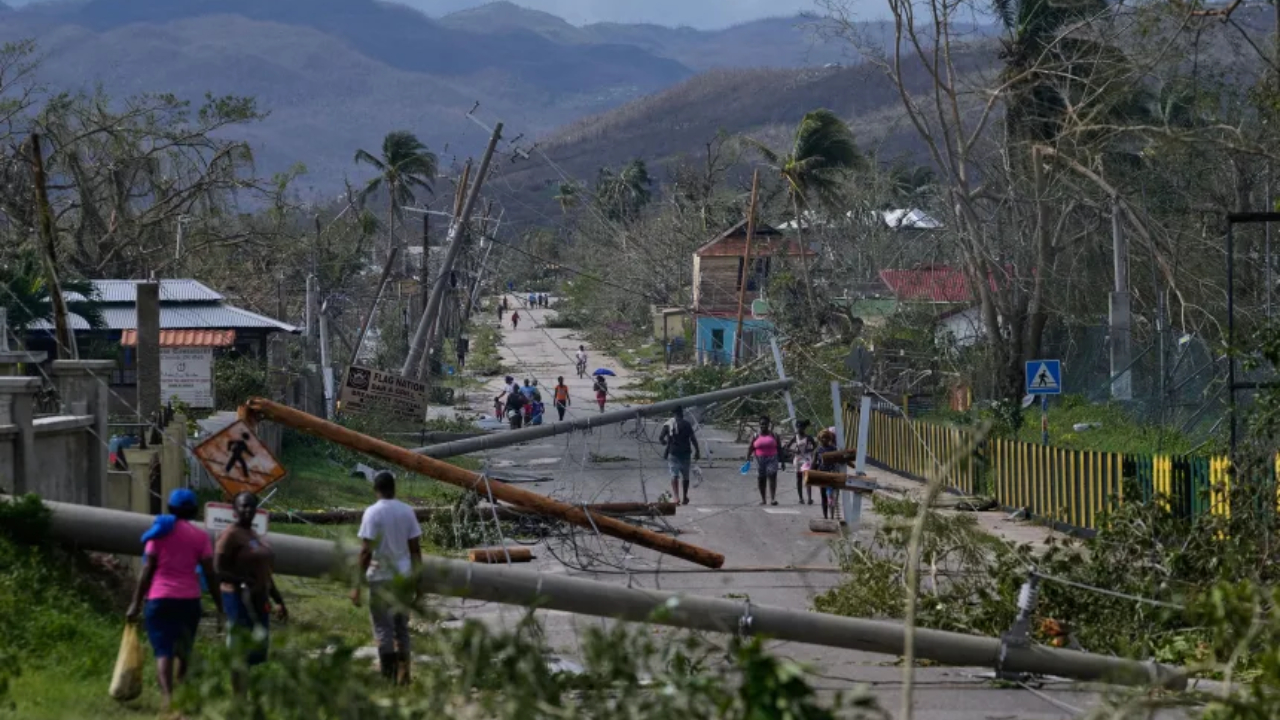
Brivify – In the wake of Hurricane Melissa, the Caribbean is facing one of the darkest chapters in its modern history. This storm, the most powerful Atlantic hurricane in more than 150 years, carved a path of devastation through Jamaica, Cuba, the Bahamas, and surrounding regions. Torrential rain, catastrophic storm surge, and howling winds tore apart homes, collapsed bridges, and flooded entire communities. Yet amid the destruction, what stands out most is the resilience of the people living through this nightmare. As someone who closely follows global disaster response and climate trends, I believe this event will be remembered not only for its physical impact, but also for the emotional toll and extraordinary spirit survivors have shown. Today, rescue efforts continue, hope persists, and the Caribbean once again demonstrates its unbreakable strength.
“Read also: he Fed Faces a Crucial Test: Rate Cuts Amid a Data Blackout and Government Shutdown“
Jamaica Bears the Hardest Blow From Hurricane Melissa
Among all regions hit by Hurricane Melissa, Jamaica experienced the most brutal devastation. The storm crashed onto the island as a Category 5 monster, packing winds of 185 mph (295 km/h) and pushing ocean water inland with a surge exceeding 15 feet. Entire towns like Black River look unrecognizable, described as “complete and utter destruction” by on-ground reporters. People searched for missing loved ones, clinging to the few belongings they salvaged. Some evacuated by foot through mud and debris, while others sheltered in makeshift camps after losing everything. Personally, what touched me most were accounts of reunions small flashes of joy in a landscape filled with shock. It reminds us that even in crisis, humanity finds light.
Scenes of Survival and Desperation on Jamaica’s Coast
On Jamaica’s storm-ravaged southwestern coast, stories of survival feel both tragic and inspiring. Residents like 77-year-old Alfred Hines described escaping rising floodwaters with moments to spare. Thousands lost homes and power, and nearly three-fourths of the island faced blackout conditions after Hurricane Melissa hit. Moreover, food, clean water, fuel, and medical supplies became immediate priorities as troops and volunteers pushed ambulances across blocked roads. Although looting has been reported, many locals say it stems from pure survival, not chaos. As an observer, I see this as proof of how quickly disaster can change societal norms when infrastructure collapses, community instinct becomes the last lifeline.
Cuba Faces Flooding, Landslides, and Isolation
Cuba endured catastrophic flooding after Hurricane Melissa swept across its eastern provinces as a Category 3 storm. Mudslides cut off rural villages, bridges washed away, and more than 735,000 residents were evacuated. At least 140,000 people found themselves trapped by swollen rivers, unable to access basic supplies. The government sought international support, even opening communication channels with the United States for humanitarian assistance. For a nation already facing economic challenges, this disaster adds unimaginable strain. Yet Cuba’s history of storm resilience and community-driven response offers hope. In moments like this, politics fade, and human lives take priority.
A Rising Death Toll in Haiti’s Fragile Landscape
Although Haiti was not struck directly by Hurricane Melissa, the country suffered tragic consequences. Flooding claimed at least 30 lives, including ten children, after a river burst its banks in Petit-Goâve. The heartbreaking story of a father losing all four of his children symbolizes the immense emotional trauma this storm caused region-wide. Haiti’s vulnerable infrastructure and ongoing humanitarian challenges amplified the impact, revealing once again how fragile the country remains in the face of natural disasters. From my perspective, this situation underscores the urgent need for global disaster preparedness initiatives not reactive aid, but proactive resilience-building.
International Aid and Humanitarian Coordination Begin
As recovery begins, global support is mobilizing to help those affected by Hurricane Melissa. The United States deployed its Disaster Assistance Response Team, while the United Kingdom pledged emergency funding and evacuation support for citizens in Jamaica. China, Venezuela, and the United Nations also joined relief efforts, illustrating the international community’s recognition of the crisis. Coordinated response is crucial, especially as isolated regions still wait for aid convoys to clear debris-choked roads. Having seen similar global emergencies unfold, I believe early international cooperation plays a key role in preventing secondary disasters like disease outbreaks and famine.
“Read also: Hurricane Melissa Leaves a Trail of Destruction Across the Caribbean“
Storms Like Hurricane Melissa Are Becoming the New Normal
While scientists continue to analyze data, many experts note how storms like Hurricane Melissa reflect a worrying climate trend. Warmer ocean temperatures fuel stronger hurricanes, and rapid intensification events are becoming more frequent. The Caribbean, one of the most climate-exposed regions on Earth, faces rising risks as warming oceans amplify storm power. From an analytical viewpoint, Melissa isn’t only a natural disaster it is a warning. Stronger infrastructures, resilient housing, and more robust emergency systems are no longer optional; they are life-saving necessities.
Stories of Hope and Human Strength Shine Through
Despite overwhelming loss, the Caribbean spirit remains unbroken. Volunteers are cooking meals for displaced families, neighbors are rebuilding roofs together, and strangers share resources like clean water and shelter. Photographs show smiles through tears moments of unity that define humanity at its best. In every crisis, what ultimately matters is how people rise. And here, they are rising with courage, grace, and determination.
A Call for Support, Reflection, and Resilience
As recovery continues, the world watches, prays, and lends aid. Hurricane Melissa will be remembered not only for its record-breaking power, but for the resilience of the communities it tried to break but could not. Now, the mission is clear: rebuild stronger, support survivors, and prepare for a climate future that demands action, not denial. For those of us watching from afar, compassion must be paired with commitment because the next storm is not a question of if, but when.