Saudi Border Guards Seize 240 Kilograms of Khat in Asir and Jazan
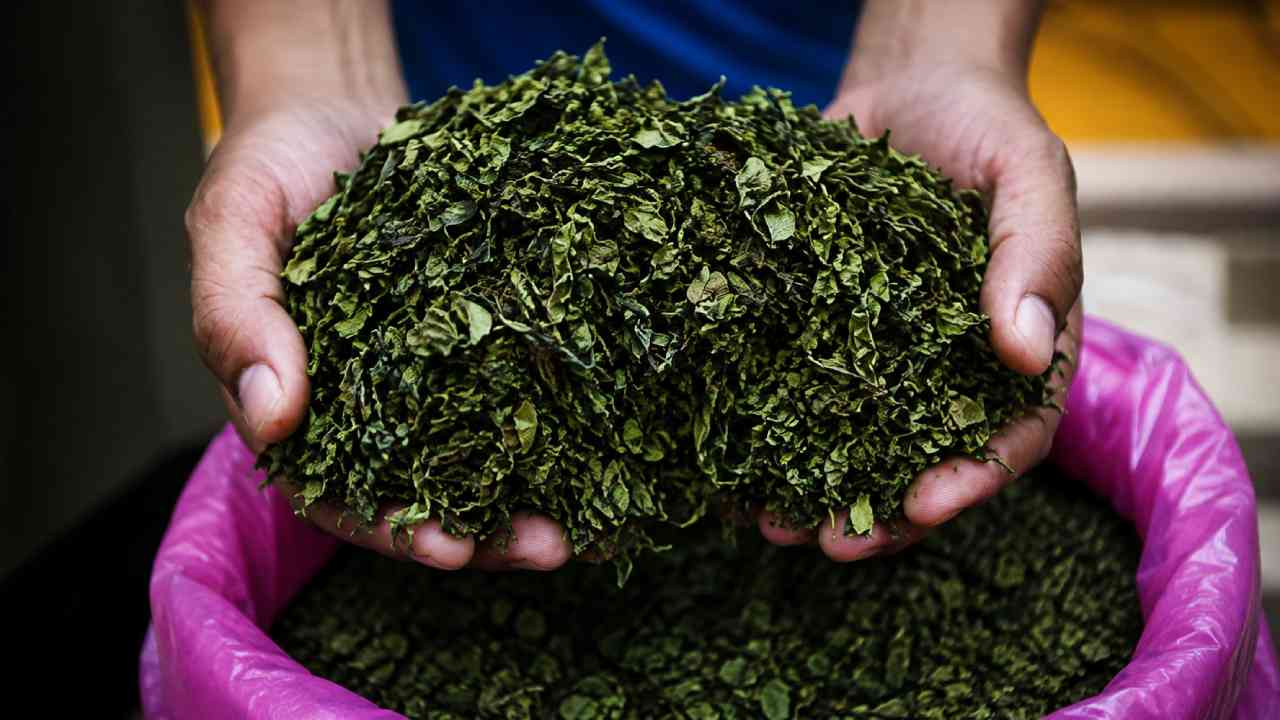
Brivify – Saudi Border Guard patrols seized a combined 240 kilograms of khat during two separate operations in Asir and Jazan. Officers also arrested eight Ethiopian and Yemeni nationals in connection with the cases. The operations took place on Tuesday, August 25, according to information released about the interceptions. Although both incidents occurred in southern Saudi Arabia, officers handled them as separate cases. In Asir, patrols recovered 80 kilograms of khat. Meanwhile, officers in Jazan intercepted another 160 kilograms. Together, the seizures created a significant haul and brought renewed attention to khat trafficking near Saudi Arabia’s southern border. The story also goes beyond the quantity involved. Khat has deep cultural roots in parts of East Africa and the Arabian Peninsula. However, its stimulant compounds have also prompted strict controls in several countries. Therefore, the latest seizures highlight the complex relationship between traditional use, national drug laws, and modern border enforcement.
Read Also: Vauxhall Grandland Review: A Smarter and More Practical Family SUV
Patrols Intercept 80 Kilograms of Khat in Asir
The first operation took place in the Al-Raboua sector of Asir. Saudi Border Guard land patrols encountered four Ethiopian and Yemeni nationals who allegedly violated border security regulations. During the operation, officers found 80 kilograms of khat. The seizure formed the smaller of the two hauls reported that day. Nevertheless, the amount remained substantial. Asir’s location in southwestern Saudi Arabia makes border surveillance an important security responsibility for authorities operating there. Patrol teams regularly work across difficult terrain while watching routes that smugglers may attempt to exploit. In this case, officers stopped the group before the khat moved farther into the country. Authorities then began the required legal procedures. The incident soon became part of a larger story because another operation in neighboring Jazan produced an even bigger seizure.
Jazan Patrols Recover Another 160 Kilograms
A second operation unfolded in the Al-Daer sector of Jazan. There, Saudi Border Guard patrols arrested four more Ethiopian and Yemeni nationals. Officers found 160 kilograms of khat during the interception. That amount doubled the quantity recovered in Asir. When combined, both operations brought the total seizure to 240 kilograms. The two incidents also resulted in eight arrests. Jazan sits along Saudi Arabia’s southwestern frontier, close to Yemen, so its geography places border security at the center of local enforcement efforts. Moreover, mountainous terrain can make surveillance particularly demanding. The latest operation shows how authorities continue to focus on routes used for unauthorized border crossings and smuggling. Although the two cases involved similar circumstances, officials processed each incident according to the applicable procedures before transferring the suspects and confiscated material to the relevant authorities.
Authorities Move the Cases Into the Legal Process
After the arrests, authorities completed the initial procedures connected with both interceptions. Officials then transferred the suspects and seized khat to the appropriate authorities for further action. This stage matters because border patrol officers handle the interception, while other agencies may continue the investigation or legal process. As a result, the seizure itself represents only the beginning of the case. Investigators may examine the route, circumstances, and other details surrounding the alleged smuggling attempts. However, authorities had not provided extensive public details about those wider questions in the information available for the original report. Avoiding speculation is important here. The confirmed facts already provide a clear picture: officers carried out two operations, arrested eight people, and recovered 240 kilograms of khat. For readers unfamiliar with the plant, however, understanding why authorities treat khat seriously requires a closer look at what it contains.
What Is Khat and Why Does It Attract Attention?
Khat, scientifically known as Catha edulis, is a flowering shrub traditionally cultivated in parts of East Africa and the Arabian Peninsula. People commonly consume its fresh leaves by chewing them for their stimulant effects. The plant contains psychoactive compounds, particularly cathinone and cathine. These substances influence the central nervous system and can increase alertness and activity. Consequently, khat occupies an unusual position in international drug policy. Some communities have used it socially for generations. However, many governments regulate or prohibit it because of its psychoactive properties. This contrast often surprises people who encounter the plant under informal descriptions such as “Arabian tea.” That nickname can make khat sound similar to an ordinary brewed beverage. In reality, its traditional consumption and pharmacological effects differ significantly from conventional tea. Therefore, understanding its active compounds helps explain why border authorities may treat large shipments as a serious enforcement matter.
Fresh Khat Contains the Stimulant Cathinone
Cathinone plays an important role in understanding khat. Fresh leaves contain this naturally occurring stimulant, while cathine also contributes to the plant’s effects. However, cathinone does not remain stable indefinitely after harvesting. As the plant ages, its chemical profile changes and the amount of cathinone declines. For that reason, freshness has traditionally influenced how consumers value khat. This characteristic also distinguishes the plant from many processed substances that remain relatively stable during storage. People who consume khat may experience increased alertness, excitement, reduced appetite, or difficulty sleeping. Strong or prolonged use can also produce unwanted physical and psychological effects. These risks have contributed to regulatory restrictions in various jurisdictions. Therefore, describing khat only as a traditional plant overlooks an important part of the picture. Its cultural history matters, but so do the stimulant compounds that influence how governments classify and regulate it.
Khat Carries Different Meanings Across Countries
The global picture surrounding khat is complicated because cultural practices and national laws do not always align. Communities in countries such as Yemen, Ethiopia, Somalia, and Kenya have longstanding connections with the plant. In some settings, people traditionally gather and chew fresh khat during social occasions. Elsewhere, governments impose restrictions because of its stimulant properties. Consequently, someone may encounter very different legal rules when crossing an international border. Indonesia, for example, regulates the psychoactive compounds associated with khat under its narcotics framework. Other countries apply their own classifications and controls. This legal variation makes international movement particularly sensitive. A culturally familiar plant in one location may become a prohibited substance in another. In my view, this context is essential when reporting on khat seizures. Without it, readers may see only the weight of the confiscated material. With context, the story also reveals how culture, pharmacology, and national law can intersect.
Read Also: Roger Federer Returns to US Open Court for Special Exhibition
Why Khat Has Strong Links to the Arabian Peninsula and East Africa
Khat has a long history in communities around the Horn of Africa and the Arabian Peninsula. Its leaves have traditionally played a social role in parts of Yemen, Ethiopia, and Somalia. People may gather for extended conversations while chewing fresh leaves. Migration has also carried these traditions into communities farther abroad. However, cultural familiarity does not eliminate concerns about excessive consumption or legal restrictions. Instead, it creates a more nuanced picture. The same plant can represent social tradition in one context and a controlled substance in another. Moreover, khat’s preference for fresh consumption has historically influenced how traders move it between locations. Because cathinone declines after harvesting, speed can matter within the supply chain. This feature helps explain why khat trafficking differs from the movement of some dried or processed drugs. Understanding this background gives the Saudi seizures greater context without minimizing the legal issues involved.
Southern Saudi Arabia Remains a Key Area for Border Enforcement
Asir and Jazan occupy strategically important positions in southwestern Saudi Arabia. Their proximity to Yemen means authorities devote significant resources to border surveillance. However, geography can complicate that work. Mountainous areas, remote routes, and difficult terrain create challenges for patrol teams. Smuggling cases in the region can involve various prohibited materials, making regular monitoring an important part of border security. Against that background, the latest khat interceptions show how separate patrol operations can contribute to a larger enforcement effort. The Asir team recovered 80 kilograms, while officers in Jazan found 160 kilograms. Together, they prevented 240 kilograms from moving beyond the interception points. Still, the figures tell only part of the story. Effective border enforcement also depends on detecting routes, responding to movement, and coordinating legal procedures after arrests. These less visible steps often determine what happens after patrol officers make an initial interception.
The Khat Seizure Highlights a Broader Cross-Border Challenge
The latest Saudi Border operations illustrate how a seemingly straightforward seizure can connect to a much broader issue. Eight arrests and 240 kilograms of confiscated khat provide the immediate facts. Yet the story also involves geography, cultural traditions, psychoactive compounds, and different national approaches to drug control. Khat remains socially familiar in some communities, while authorities elsewhere apply strict restrictions to its possession or movement. That difference makes cross-border cases especially significant. For Saudi Arabia, the Asir and Jazan operations primarily represent border enforcement actions. For readers, however, they also provide an opportunity to understand why this leafy plant receives so much legal attention. The most useful perspective avoids sensationalism. Instead, the facts show how authorities intercepted two alleged smuggling attempts and moved both cases into the legal process. At the same time, khat’s complicated history explains why the story reaches beyond a simple account of drugs seized at the border.



Post Comment