Roger Federer Returns to US Open Court for Special Exhibition
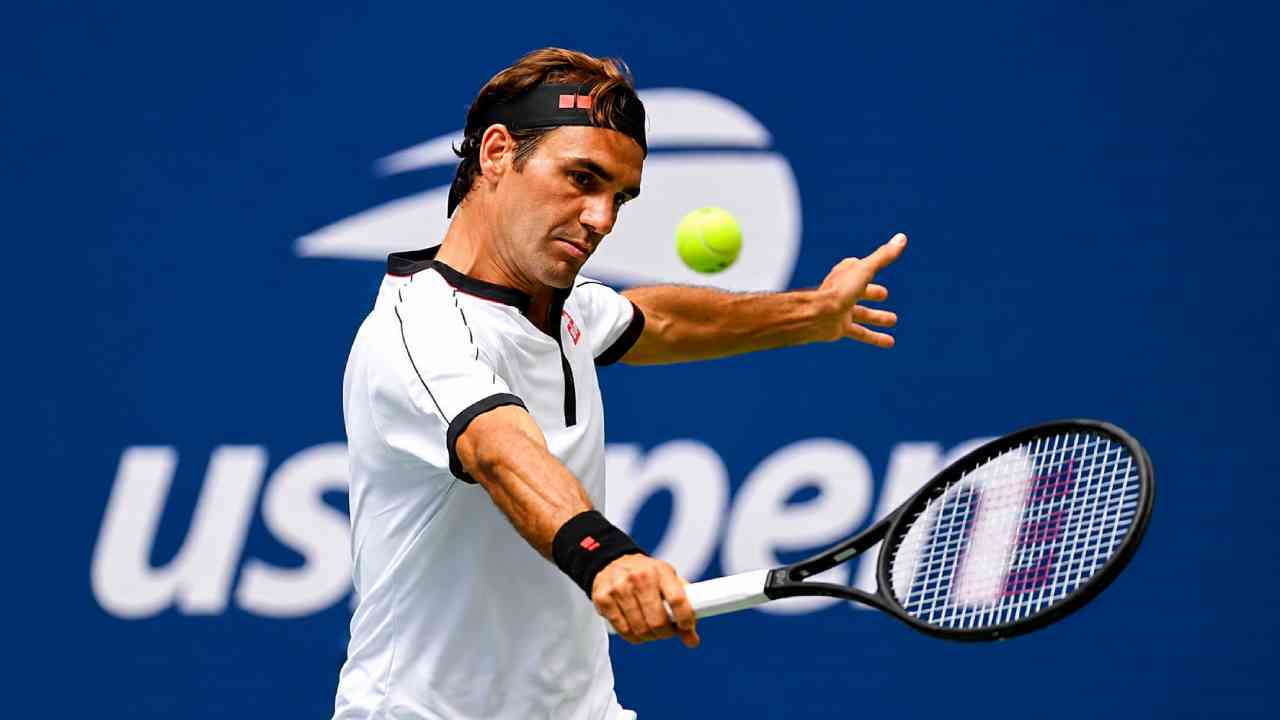
Brivify – Roger Federer returns to Arthur Ashe Stadium on August 25, 2026, for a special exhibition during US Open Fan Week. The event, titled Roger Federer: An Icon Returns to New York, brings the Swiss legend back to Flushing Meadows for the first time since 2019. However, this is not a professional comeback. Instead, the evening celebrates his remarkable connection with the tournament and its fans. Federer will share the court with Andy Roddick, Andre Agassi, and John McEnroe. Together, they represent several generations of US Open history. The official US Open schedule places the event under the lights at Arthur Ashe Stadium on Tuesday evening. For longtime tennis followers, the occasion carries a strong sense of nostalgia. Federer once dominated these courts during one of the greatest periods of his career. Now, he returns without ranking points or trophies at stake. The focus is simply tennis, memories, and a long-awaited reunion with New York.
Read Also: Meet Herbie Wertheim, the Man Who Paid $40 Million for a Ferrari Luce
Seven Years Have Passed Since His Last US Open Appearance
Federer’s return feels especially significant because he last competed at the US Open in 2019. Seven years have passed since fans in New York watched him play at the tournament. He eventually retired from professional tennis in 2022. Therefore, opportunities to see him compete on a major tennis stage have become rare. The exhibition gives supporters something they never truly received when his competitive US Open career ended: a dedicated farewell moment. Federer did not know in 2019 that it would be his final appearance at Flushing Meadows. Consequently, his return creates a different atmosphere from an ordinary legends event. It allows fans to celebrate his career with the benefit of perspective. Reuters described the occasion as a long-overdue US Open sendoff. That description captures why the night matters. Federer is not returning to rewrite his competitive story. Instead, he is returning to celebrate one of the places where that story became extraordinary.
Five Consecutive Titles Built an Extraordinary US Open Legacy
Few players have enjoyed a relationship with the US Open like Federer. He won the men’s singles championship for five consecutive years from 2004 through 2008. According to the tournament, he remains the only man or woman to win five consecutive US Open singles titles. His first championship came against Lleyton Hewitt in 2004. One year later, he defeated Andre Agassi in the final. More victories followed as Federer established himself as the dominant player of that era. Those seasons helped turn Arthur Ashe Stadium into one of the defining stages of his career. Moreover, his elegant style suited the fast, energetic atmosphere of New York. The statistics are impressive on their own. Still, the emotional connection goes beyond trophies. Fans watched Federer arrive as a champion, become a global icon, and experience difficult defeats on the same courts. His return in 2026 therefore connects several chapters of tennis history within one evening.
Andy Roddick Brings an Old Rivalry Back to the Court
Andy Roddick adds another layer of nostalgia to the exhibition. The 2003 US Open champion spent much of his prime competing during Federer’s dominant era. Their contrasting styles created memorable encounters. Federer brought fluid movement, variety, and precise shot-making. Meanwhile, Roddick was famous for explosive serving and aggressive tennis. On August 25, the stakes will obviously be different. Federer is scheduled to face Roddick in a singles set. The format allows fans to revisit an old rivalry without the pressure of a Grand Slam tournament. More importantly, it gives both players room to entertain the crowd. Their presence also reminds younger viewers how influential this period was for men’s tennis. Rivalries do not always need another official chapter. Sometimes, seeing two familiar opponents across the net again is enough to bring an entire era back into focus.
Andre Agassi and John McEnroe Add More Star Power
The evening does not stop with Federer and Roddick. Andre Agassi and John McEnroe are also part of the event. Federer is set to partner with McEnroe in doubles against Roddick and Agassi. That combination creates an unusual meeting between different generations of US Open champions. Agassi won the tournament twice, while McEnroe captured four US Open singles titles. Their personalities and playing styles also helped define their respective eras. As a result, the doubles portion should feel more like a celebration than a conventional match. Competitive instincts may still appear, of course. Former champions rarely lose them completely. Yet entertainment and nostalgia will likely matter more than the score. From a storytelling perspective, this format works particularly well. Instead of honoring Federer through speeches alone, the US Open is bringing him back through the activity that made him famous. Tennis itself becomes the centerpiece of the tribute.
Federer Was Already Back Practicing at Arthur Ashe Stadium
The reunion actually began before the exhibition. On August 24, Federer returned to Arthur Ashe Stadium for a practice session with Lorenzo Musetti. Fans gathered to watch the five-time champion hit again on the famous court. Even a practice session generated considerable attention. That reaction illustrates the connection Federer still has with tennis audiences years after retirement. It also offered an early glimpse of what the exhibition could feel like. Instead of seeing Federer dressed for a ceremony, spectators once again saw him holding a racket and moving around the court. Of course, an exhibition cannot recreate the intensity of his competitive prime. Nor does it need to. The appeal comes from familiarity. A familiar swing, one-handed backhand, or effortless movement can immediately trigger memories for supporters who followed his career. In that sense, the practice session became part of the larger celebration before the main event even began.
The Exhibition Is Not a Professional Comeback
It is important to separate Federer’s exhibition appearance from speculation about a competitive return. The 20-time Grand Slam champion has ruled out returning to professional singles competition. Therefore, the New York appearance should not be presented as the beginning of another ATP chapter. Federer has been away from competitive Grand Slam tennis since Wimbledon in 2021. His retirement followed in 2022 after physical problems had increasingly limited his schedule. An exhibition offers something different. It allows him to enjoy tennis without the demands of rankings, tournament preparation, and a full professional calendar. That distinction also makes the occasion easier to appreciate. Fans do not need to evaluate whether Federer can challenge today’s leading players. Instead, they can enjoy seeing one of the sport’s defining figures return to a stadium where he created many memorable moments. The story is about celebration rather than comeback speculation.
New York Still Holds a Special Place in Federer’s Story
Some venues become inseparable from the athletes who succeeded there. Arthur Ashe Stadium is one of those places for Federer. His five consecutive championships created a period of dominance that remains part of US Open history. However, his relationship with New York also included disappointment. Later campaigns produced difficult defeats and missed opportunities. That combination makes the history feel more complete. Great careers are rarely built only from victories. They also include pressure, adaptation, and painful endings. Federer has spoken warmly about what the tournament meant to him. The US Open, meanwhile, has positioned this exhibition as a celebration of that legacy. In my view, this emotional context makes the event more compelling than a standard legends match. Federer is not simply visiting another tennis venue. He is returning to a stadium that witnessed a significant part of his transformation from champion into sporting icon.
Fan Interest Shows His Appeal Has Not Disappeared
Retirement has done little to erase Federer’s popularity. Reuters reported that resale tickets for the exhibition were listed above $2,000 ahead of the event. While resale prices can fluctuate and do not represent standard ticket prices, the figures still illustrate intense interest around the occasion. Fans know opportunities to watch Federer play are now limited. Therefore, a one-night return to Arthur Ashe Stadium naturally carries scarcity. His appeal also extends beyond dedicated tennis followers. Over two decades, Federer became recognizable for his playing style, major championships, rivalries, and longevity. Consequently, his appearances can attract audiences who may not follow every tournament on the calendar. This broader appeal is valuable for the US Open as well. Fan Week becomes more than preparation for the main singles draw. With Federer at the center of a major evening event, it becomes a celebration connecting tennis history with the present tournament atmosphere.
Read Also: Shelley Fabares Dies at 82, Leaving a Lasting Hollywood Legacy
The Night Connects Different Generations of Tennis Fans
A Federer exhibition in 2026 has a different audience from one held immediately after his retirement. Some spectators remember his first US Open championship in 2004. Others discovered him during his famous rivalries with Rafael Nadal and Novak Djokovic. Younger fans may know his career mainly through highlights and historical records. Bringing Federer, Roddick, Agassi, and McEnroe together creates a bridge between these groups. Each player represents a different chapter of American and international tennis history. Moreover, the event arrives while current players are preparing for another US Open. Past and present therefore share the same venue during Fan Week. That combination gives the exhibition greater meaning. Tennis constantly produces new champions, yet its history remains part of the experience. Events like this allow fans to appreciate both. They remind audiences that today’s biggest matches eventually become the memories celebrated by future generations.
A Special Farewell Without the Pressure of Competition
There is something fitting about Federer returning without a championship on the line. During his prime, every appearance at Arthur Ashe Stadium carried expectations. Victories were analyzed, defeats were questioned, and every tournament became part of the race for Grand Slam history. This time, those pressures are absent. Federer can simply play. Fans can simply watch. That change may make the evening more personal than many of his competitive appearances. It also provides an opportunity for New York supporters to express appreciation directly. Federer never received a formal US Open farewell when his playing career ended. Therefore, this exhibition fills an emotional gap in his relationship with the tournament. It cannot recreate his championship years, and it does not need to. Instead, it gives the story a warmer final chapter: Federer under the lights, surrounded by former rivals and fellow champions, with Arthur Ashe Stadium once again providing the backdrop.
Roger Federer Returns for a Celebration Bigger Than the Score
Ultimately, the significance of Roger Federer returning to the US Open goes far beyond the result of an exhibition set. His appearance brings together history, nostalgia, rivalry, and appreciation. Seven years after his last US Open appearance, Federer can reconnect with the New York crowd on different terms. Roddick provides a familiar opponent. Agassi and McEnroe expand the celebration across generations. Meanwhile, Arthur Ashe Stadium supplies the setting where Federer once won five consecutive championships. The official event takes place on August 25, 2026, during US Open Fan Week, with television coverage scheduled on ESPN2 and Disney+ in the United States. For tennis fans, the evening offers something increasingly rare: another chance to watch Federer with a racket in his hand. Yet the real attraction is not whether he wins. It is the opportunity to celebrate everything that happened before the scoreboard stopped mattering.



Post Comment