Venezuela Urges UK to Release 31 Tons of Gold to Accelerate Post-Earthquake Recovery
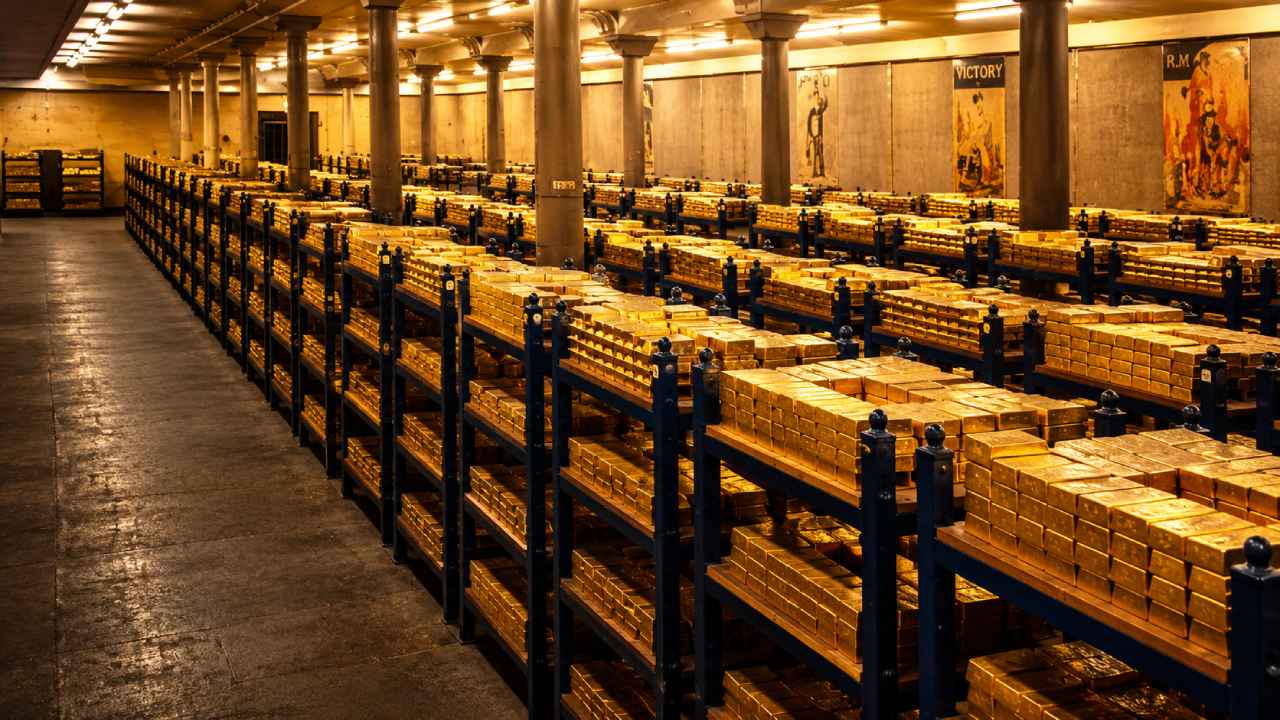
Brivify – As Venezuela continues to recover from one of its most devastating earthquakes in recent years, the government is once again drawing attention to billions of dollars in national assets that remain beyond its reach. this development has placed humanitarian needs at the center of an ongoing international dispute. The Venezuela Urges UK appeal focuses on approximately 31 tons of gold stored at the Bank of England, which officials say could provide critical funding for rebuilding damaged communities. Rather than presenting the request as a political statement alone, Venezuelan leaders argue that the gold represents a national resource that could help thousands of families begin rebuilding their lives after the disaster.
Read Also: New Dacia Striker Blends Estate, SUV, and Saloon Style Under £25,000
Venezuela Appeals Directly to King Charles III
The latest appeal came from Venezuela’s interim president, Delcy Rodríguez, who confirmed that she had written directly to King Charles III. According to Rodríguez, the letter asks the British monarch to support the release of the country’s gold reserves currently held in London. She described the assets as property belonging to the Venezuelan people and emphasized that they should be available during a national emergency. Speaking through the state television network VTV, Rodríguez explained that the government views the gold as an essential financial resource for reconstruction rather than a political bargaining tool. Consequently, the request has attracted renewed international attention.
Why the Gold Remains Frozen
The dispute surrounding Venezuela’s gold reserves has existed for several years. The gold was originally deposited at the Bank of England as part of the country’s international reserves. However, access became restricted after the United Kingdom and several Western governments imposed sanctions linked to Venezuela’s political crisis. Since then, legal and diplomatic disagreements have prevented Caracas from recovering the assets. While the Venezuelan government maintains that the reserves belong to the nation regardless of political disputes, British authorities have continued to follow legal decisions and international policy frameworks that govern the frozen assets.
Earthquake Recovery Adds New Urgency
The government’s request comes only weeks after two powerful earthquakes measuring magnitude 7.2 and 7.5 struck Venezuela on June 24. The twin earthquakes caused widespread destruction, particularly in La Guaira State, damaging homes, public infrastructure, and essential services. Official figures released by National Assembly President Jorge Rodríguez reported that the death toll had risen to 3,811 people. Meanwhile, more than 16,700 individuals were injured, and nearly 18,000 residents lost their homes. These numbers illustrate why Venezuelan officials believe immediate access to financial resources has become increasingly important for reconstruction efforts.
Gold Reserves Could Support National Reconstruction
From an economic perspective, central bank gold reserves often serve as strategic assets during periods of financial instability or national emergencies. Governments may rely on these reserves to strengthen public finances, stabilize markets, or support reconstruction following natural disasters. In Venezuela’s case, officials argue that releasing the gold would provide valuable funding without depending entirely on external borrowing. Although rebuilding requires long-term planning, immediate financial resources can accelerate infrastructure repairs, healthcare services, and humanitarian assistance. Therefore, the request reflects both economic necessity and humanitarian priorities.
Read Also: Argentina Stages Dramatic Comeback, Eliminates Egypt and Advances to Quarter Finals
International Sanctions Continue to Shape the Situation
Despite the humanitarian context, the issue remains closely connected to international sanctions imposed over the past two decades. The United States, the European Union, and several allied countries have maintained restrictions on Venezuela over allegations involving democratic governance and other political concerns. While some sanctions have been adjusted over time, many remain in effect. Earlier this year, following major political developments involving President Nicolás Maduro, Washington introduced limited measures affecting Venezuela’s energy sector. Nevertheless, broader financial restrictions continue to influence access to overseas assets, including the gold stored in Britain.
Humanitarian Exemptions Offer Limited Flexibility
Following the recent earthquakes, the United States announced a temporary four-month authorization allowing transactions directly related to humanitarian earthquake assistance that would normally be restricted under existing sanctions. Although this measure does not resolve the dispute over the gold reserves, it demonstrates that humanitarian considerations can influence international policy during emergencies. Even so, financial experts note that temporary exemptions differ significantly from permanently releasing frozen sovereign assets. As a result, Venezuela’s request to Britain remains a separate legal and diplomatic matter that requires its own resolution.
The Gold Dispute Reflects a Larger Global Challenge
The discussion surrounding Venezuela’s gold extends beyond a single financial asset. It highlights the complex relationship between international law, sanctions policy, humanitarian needs, and sovereign ownership of national reserves. While legal frameworks aim to address political disputes, natural disasters often introduce urgent humanitarian considerations that complicate existing policies. Whether Britain ultimately agrees to release the gold remains uncertain. However, the situation demonstrates how global financial decisions can directly affect recovery efforts after major disasters. As reconstruction continues, the outcome of this request may influence future discussions about balancing international sanctions with humanitarian responsibilities.