9 Unique Cities in the World with a Sun That Never Sets
Brivify – Imagine checking your watch at midnight and finding the sky still glowing as if sunset never arrived. For most people, that sounds impossible. However, in several places across the globe, this extraordinary experience happens every year. These destinations sit close to the Arctic or Antarctic circles, where Earth’s tilt creates one of nature’s most fascinating spectacles. During summer, the sun remains visible long after it should disappear, while winter brings extended darkness. As a result, daily life takes on a rhythm unlike anywhere else. The phenomenon attracts curious travelers, photographers, and adventurers seeking something beyond ordinary tourism. If you have ever wondered what it feels like to live in a World with a Sun That Never Sets, these remarkable cities offer a glimpse into a reality that feels almost magical.
Read Also: Maserati Refreshes GranTurismo, GranCabrio, and Grecale with MCPura-Inspired Styling
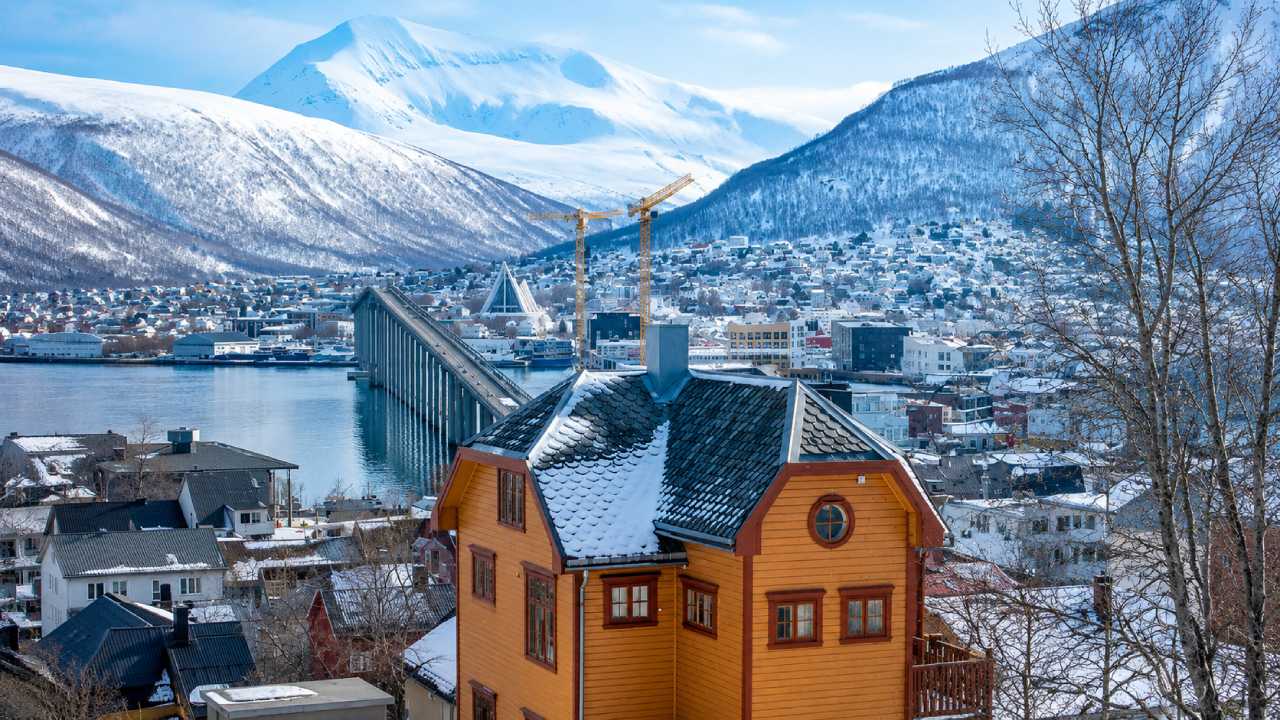
Tromsø, Norway: Where Midnight Feels Like Sunset
Located far above the Arctic Circle, Tromsø is often considered one of the best places to experience the midnight sun. Between late May and late July, daylight continues around the clock. Instead of darkness, the city is wrapped in a warm golden glow that stretches across mountains and fjords. Consequently, locals often enjoy outdoor activities long after traditional bedtime. Hiking, kayaking, and late-night walks become perfectly normal. Moreover, the extended daylight creates an energetic atmosphere throughout the city. Visitors are frequently surprised by how active life remains at two o’clock in the morning. Meanwhile, when winter arrives, Tromsø transforms into a completely different world, offering spectacular views of the Northern Lights and proving that nature can be equally beautiful in darkness.
Svalbard, Norway: Living at the Edge of the Arctic
Few places illustrate the concept of endless daylight better than Svalbard. Situated halfway between mainland Norway and the North Pole, this remote archipelago experiences one of the longest midnight sun seasons on Earth. From mid-April until late August, the sun circles overhead without setting. As a result, time seems almost irrelevant. Many residents rely more on daily routines than on clocks. During summer, boat excursions reveal glaciers, walruses, and dramatic Arctic landscapes bathed in continuous sunlight. However, the opposite extreme arrives during winter. For several months, darkness dominates the region. Yet even then, Svalbard remains captivating thanks to star-filled skies and frequent displays of auroras dancing across the horizon.
Reykjavik and Ísafjörður, Iceland: Endless Twilight Beauty
Although Reykjavik lies just south of the Arctic Circle, summer nights rarely become completely dark. Instead, the sky enters a prolonged twilight phase that can last for hours. The result is a dreamlike atmosphere that photographers particularly love. Further north, in Ísafjörður, the experience becomes even more dramatic. Surrounded by steep fjords and rugged landscapes, the town enjoys remarkably bright nights throughout summer. Consequently, locals often spend evenings fishing, hiking, or simply enjoying the scenery. Unlike many Arctic destinations, Iceland combines these unusual daylight conditions with volcanic landscapes, waterfalls, and geothermal springs. Therefore, the experience feels both exotic and surprisingly accessible.
Iqaluit and Arctic Bay, Canada: Endless Light in the Far North
Canada’s Nunavut region offers another incredible example of a World with a Sun That Never Sets. In Arctic Bay, the midnight sun arrives in early May and continues until August. During this period, the surrounding cliffs and icy waters remain illuminated day and night. Consequently, outdoor life flourishes despite the remote location. Residents take advantage of the brief Arctic summer by fishing, boating, and gathering outdoors. Meanwhile, Iqaluit experiences extremely long daylight hours, even though it avoids complete polar night. This dramatic contrast between seasons highlights the resilience of northern communities that have adapted to these unique environmental conditions for generations.
Utqiaġvik, Alaska: America’s Northernmost Sunlit City
Formerly known as Barrow, Utqiaġvik is the northernmost city in the United States. Here, the sun rises in mid-May and does not set again until early August. During these months, the Arctic Ocean reflects continuous sunlight, creating breathtaking scenery. As a result, summer feels energetic and lively despite the region’s remote location. Community festivals, beach gatherings, and cultural celebrations fill the extended days. Nevertheless, winter brings nearly the opposite experience. From November through January, darkness dominates the landscape. Yet many residents view these seasonal extremes as an essential part of life rather than an inconvenience.
Rovaniemi, Finland: Gateway to the Arctic Wonders
Known worldwide as the hometown of Santa Claus, Rovaniemi offers more than festive attractions. During summer, the city experiences nearly endless daylight, allowing visitors to explore forests, rivers, and wilderness trails at any hour. As the midnight sun illuminates the landscape, outdoor adventures become even more memorable. Furthermore, the extended daylight encourages a deeper connection with nature. During winter, however, Rovaniemi embraces darkness with equal enthusiasm. Snow-covered landscapes sparkle beneath the stars, while reindeer safaris and holiday markets create a magical atmosphere. Consequently, the city showcases both extremes of Arctic life in a remarkably welcoming way.
Murmansk, Russia: A City Built Around Arctic Rhythms
Murmansk stands as the largest city located above the Arctic Circle. Because of its size and location, it provides a fascinating perspective on how urban life adapts to unusual daylight patterns. During summer, sunlight remains present almost continuously. Therefore, public spaces stay lively well into the night. Residents often spend their evenings along the waterfront or exploring nearby natural areas. In contrast, winter introduces weeks of darkness. Nevertheless, Murmansk continues to thrive through cultural events, theaters, museums, and community gatherings. This balance demonstrates how people can successfully adapt to even the most extreme natural conditions.
Read Also: Sydney Sweeney and Scooter Braun Caught Getting Affectionate in Australia
Ilulissat, Greenland: Icebergs Under the Midnight Sun
Ilulissat offers one of the most visually stunning midnight sun experiences in the world. Located above the Arctic Circle on Greenland’s western coast, the town overlooks the famous Ilulissat Icefjord. During summer, sunlight reflects off massive drifting icebergs, creating spectacular shades of gold, pink, and silver. Consequently, evenings often feel surreal. Visitors frequently spend hours watching the changing colors of the ice. Furthermore, the peaceful atmosphere adds to the destination’s unique charm. Winter introduces long periods without direct sunlight, yet the snow-covered landscape continues to glow softly beneath twilight skies and occasional aurora displays.
Antarctic Peninsula: The Ultimate Land of Endless Daylight
Although not a traditional city, the Antarctic Peninsula deserves a place on this list because it experiences one of the most dramatic examples of continuous daylight. During the Southern Hemisphere summer, the sun remains visible almost all day. As a result, researchers and expedition teams often work flexible schedules because darkness never truly arrives. Massive glaciers, towering ice formations, and colonies of penguins remain illuminated around the clock. Moreover, the clarity of the Antarctic light creates scenery unlike anywhere else on Earth. Few travelers experience this extraordinary environment, but those who do often describe it as unforgettable.
Why These Places Feel Like Another Planet
Experiencing a World with a Sun That Never Sets challenges many assumptions about time, sleep, and daily life. While endless daylight may initially seem strange, many visitors find it surprisingly liberating. People stay outdoors longer, explore more, and often feel a deeper connection with their surroundings. At the same time, these destinations reveal how adaptable humans can be when faced with extraordinary natural conditions. Whether it is the fjords of Norway, the icefields of Greenland, or the remote landscapes of Antarctica, each location offers a unique reminder that our planet still holds wonders capable of redefining how we experience day and night.