United Nations Urges Indonesia to Probe Alleged Human Rights Violations in Protest Crackdown
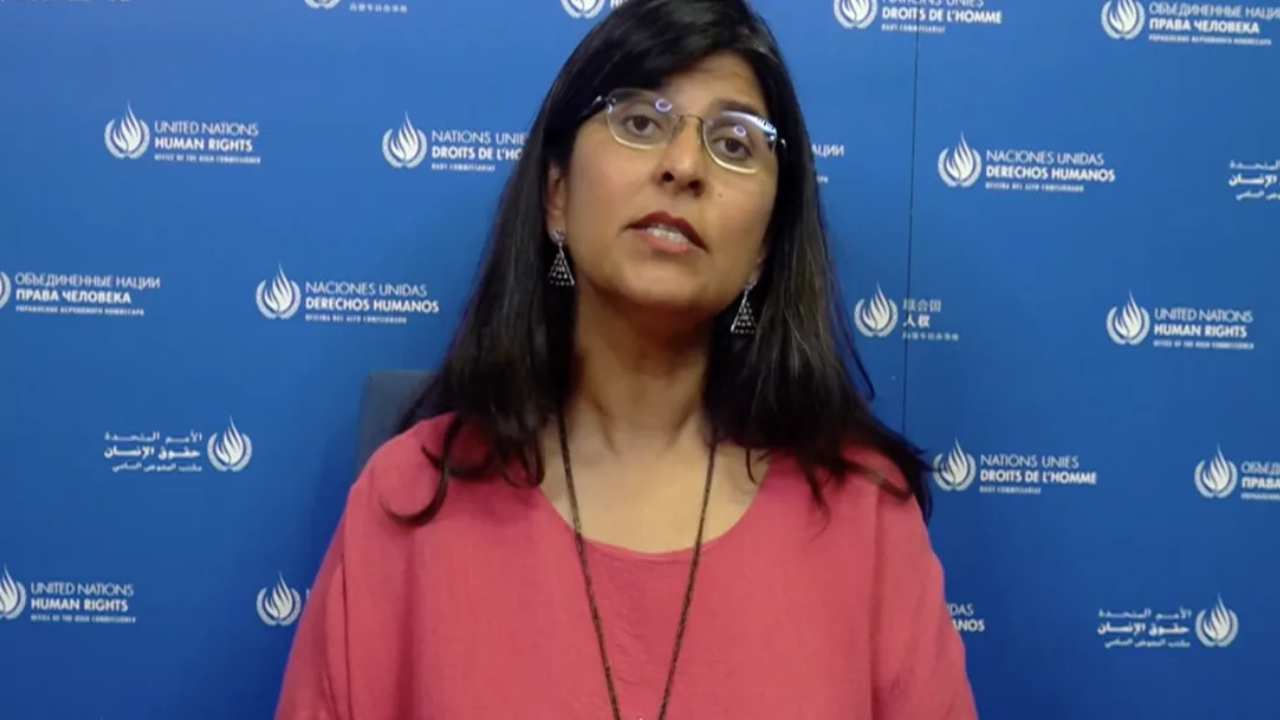
Brivify – The United Nations Office of the High Commissioner for Human Rights (OHCHR) has urged the Indonesian government to conduct a swift, thorough, and transparent investigation into alleged human rights violations during the nationwide demonstrations in August 2025. The United Nations emphasized that security forces must respect international standards on the use of force and firearms.
“Also read: Caught in a Vicious Yield Spiral: The UK’s Economy Nearing the Edge“
Concerns Over Escalating Violence
OHCHR spokesperson Ravina Shamdasani expressed deep concern over the escalating violence across multiple regions during the protests. She stressed that authorities must uphold the right to peaceful assembly and freedom of expression. According to her, constructive dialogue is crucial to addressing public grievances without further bloodshed.
Press Freedom as a Key Element
The United Nations also highlighted the importance of press freedom in reporting such incidents. Shamdasani reminded authorities that the media should operate independently and without intimidation. Accurate reporting, she noted, is essential for ensuring transparency and accountability in the handling of public protests.
The Root of Public Discontent
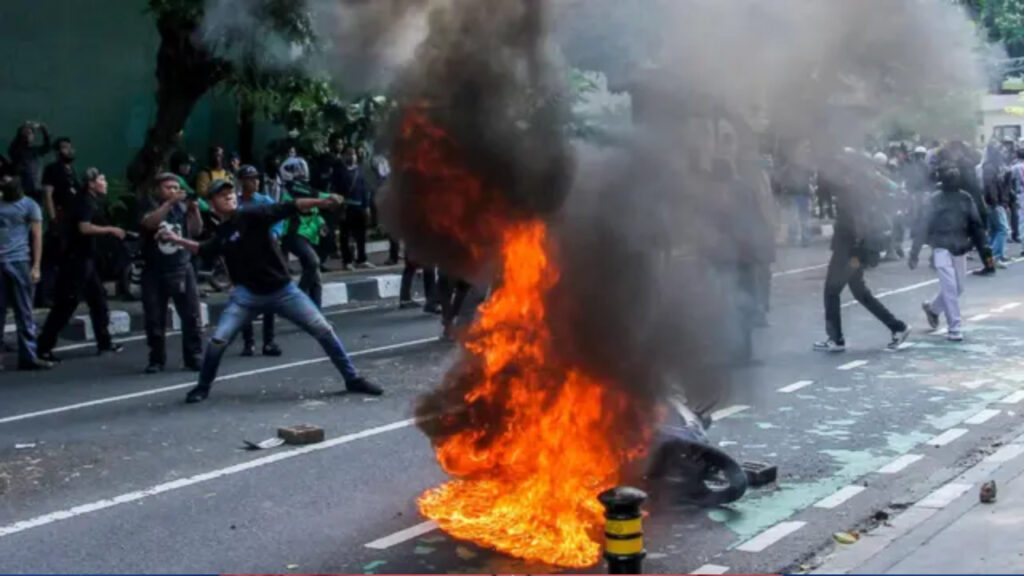
The wave of protests began on August 25, 2025, triggered by widespread anger over parliament’s decision to increase lawmakers’ salaries and benefits. What started as political dissatisfaction soon escalated into outrage against the police after violent clashes erupted near the parliament building.
Protests Spread Across Major Cities
Unrest quickly spread to cities including Bandung, Surabaya, Makassar, and Medan. Demonstrators—ranging from students and laborers to ride-hailing drivers—called for government transparency and an end to police brutality. The protests reflected a broad coalition of voices united in their demand for justice.
The Tragic Death of Affan Kurniawan
Tensions peaked on August 28 when a tactical police vehicle struck and killed ride-hailing driver Affan Kurniawan in Pejompongan. The incident, captured on video and widely circulated on social media, fueled new waves of anger, particularly among ride-hailing communities who demanded accountability from the authorities.
Crowds Gather at Police Headquarters
Following Affan’s death, demonstrators concentrated outside the Mobile Brigade (Brimob) Headquarters and Jakarta Police Headquarters. Protesters demanded justice for the victim and an end to what they described as systematic violence against civilians. The atmosphere remained tense as both sides stood firm.
Police Response with Large-Scale Patrols
Jakarta police deployed 350 personnel supported by community organizations for large-scale patrols to restore calm. Patrol routes included Jatinegara, Kuningan, Kwitang, Juanda, Tomang, Sunter, and Daan Mogot. Police officials stated their goal was to maintain security and ensure citizens could return to normal activities without fear.
A Test of Democracy and Human Rights
The United Nations’s statement puts pressure on Indonesia to prove its commitment to human rights and democratic values. With public trust shaken and tensions still high, a transparent investigation and respect for fundamental freedoms remain critical. How Indonesia responds may shape its global reputation in the years ahead.