TikTok Freezes Live in Indonesia as President Cancels China Trip Amid Chaos
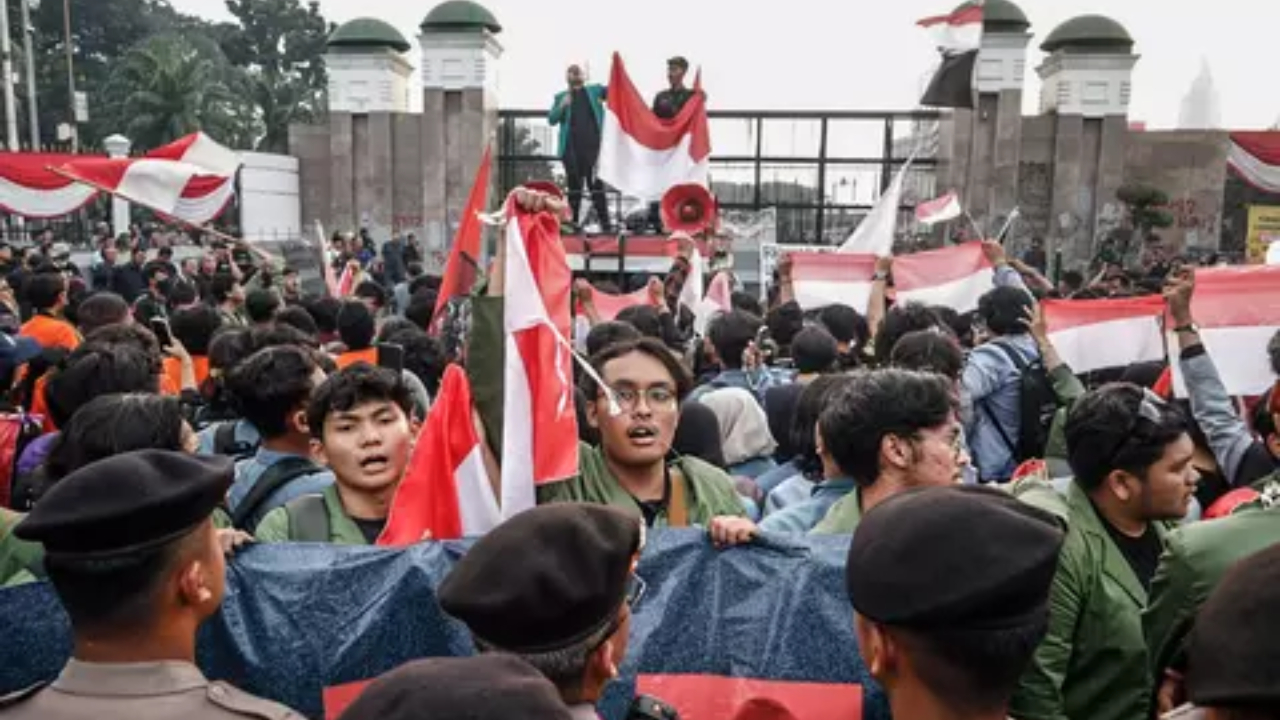
Brivify – Indonesia President Prabowo Subianto has canceled his scheduled trip to China in light of escalating protests across the country. He had been set to attend China’s “Victory Day” parade on September 3, commemorating the 80th anniversary of the end of World War II. However, given the growing unrest, Prabowo decided to remain in Indonesia to oversee the situation. The cancellation underscores the seriousness of the protests, which have now spread beyond Jakarta into several provinces.
“Also read: Malaysia Cracks Down on ISIS Network Recruiting Bangladeshi Workers“
Official Statement from the Presidential Office
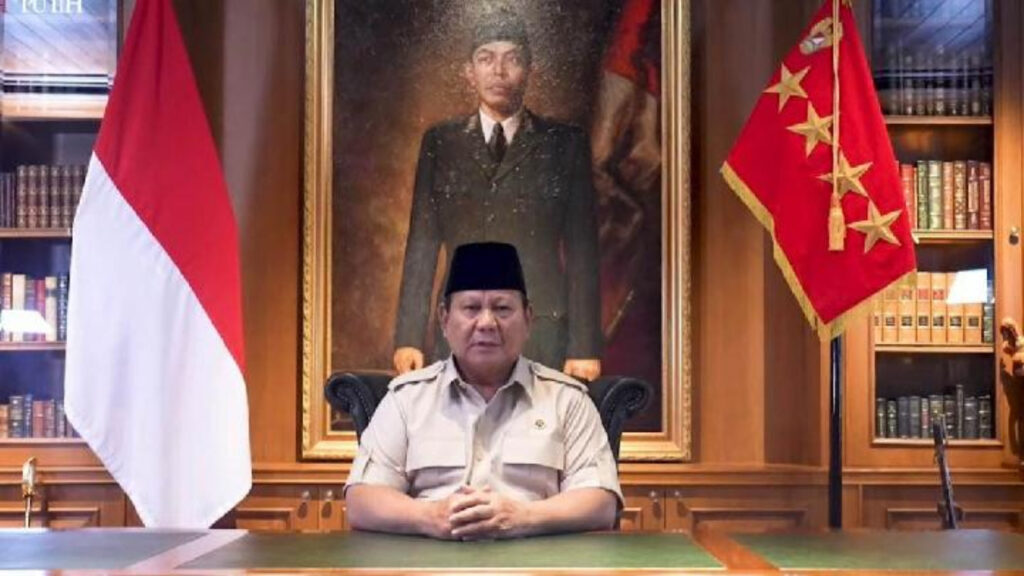
Presidential spokesperson Prasetyo Hadi explained that the president wanted to monitor the protests directly and ensure swift responses. According to his statement, Prabowo’s priority is to seek solutions and calm tensions in the nation. He also issued an apology to the Chinese government for missing the event. Another factor in the cancellation was his preparation for the upcoming United Nations General Assembly session in September. This reflects the government’s balancing of domestic stability with international commitments.
TikTok Suspends Live Streaming in Indonesia
As the protests intensified, TikTok, owned by China’s ByteDance, temporarily suspended its live-streaming feature in Indonesia. The decision was made to curb the spread of disinformation, which authorities say has fueled unrest. Earlier this week, the Indonesian government summoned representatives from major social media platforms, including Meta and TikTok. Officials urged them to increase moderation efforts, arguing that misleading content online was contributing to anger against lawmakers. This move highlights the government’s growing concern about the role of digital platforms in amplifying unrest.
Fires Erupt at Regional Parliament Buildings
The protests have turned violent in several regions, with local media reporting arson attacks on parliament buildings in West Nusa Tenggara, Pekalongan, and Cirebon. Demonstrators set buildings ablaze and, in some instances, looted office equipment. Police responded with tear gas in an attempt to disperse the crowds. The destruction of government facilities reflects the scale of public anger and the difficulty authorities face in regaining control. The unrest is no longer confined to Jakarta but has spread into multiple provinces, amplifying national tensions.
Casualties Reported in Makassar Fires
The most severe violence occurred in Makassar, the capital of South Sulawesi, where a parliament building was set on fire. Indonesia’s disaster management agency confirmed that at least three people were killed, with others injured after leaping from the burning structure. State news agency Antara reported that victims were trapped inside the building as the flames spread. Local outlets suggested one additional death, though this has not been independently verified. These casualties highlight the deadly escalation of the protests, raising fears of further violence.
Unrest Spreads to Bali and Other Cities
Protests also took place in Bali, where police used tear gas to control demonstrators. In addition, reports emerged of widespread looting, including an incident at the Jakarta home of lawmaker Ahmad Sahroni. Protesters allegedly took household furniture and other valuables. Sahroni has been a controversial figure, facing backlash for dismissive remarks toward critics of parliament. His comments, labeling opponents as “the stupidest people in the world,” further inflamed public anger. These developments show how resentment toward political elites has fueled the unrest nationwide.
The Broader Implications of the Protests
The current unrest represents the most significant challenge to Prabowo’s administration since he assumed office nearly a year ago. Initially sparked by discontent over lawmakers’ pay, protests intensified following the death of a motorcyclist hit by a police vehicle. The combination of economic frustration, political anger, and digital disinformation has created a volatile atmosphere. Prabowo’s decision to prioritize domestic stability over international diplomacy highlights the gravity of the crisis. The outcome of these protests could shape both his presidency and Indonesia’s political stability in the coming years.