Modi Meets Xi After Trump’s Tariffs, Trouble Ahead for the US?
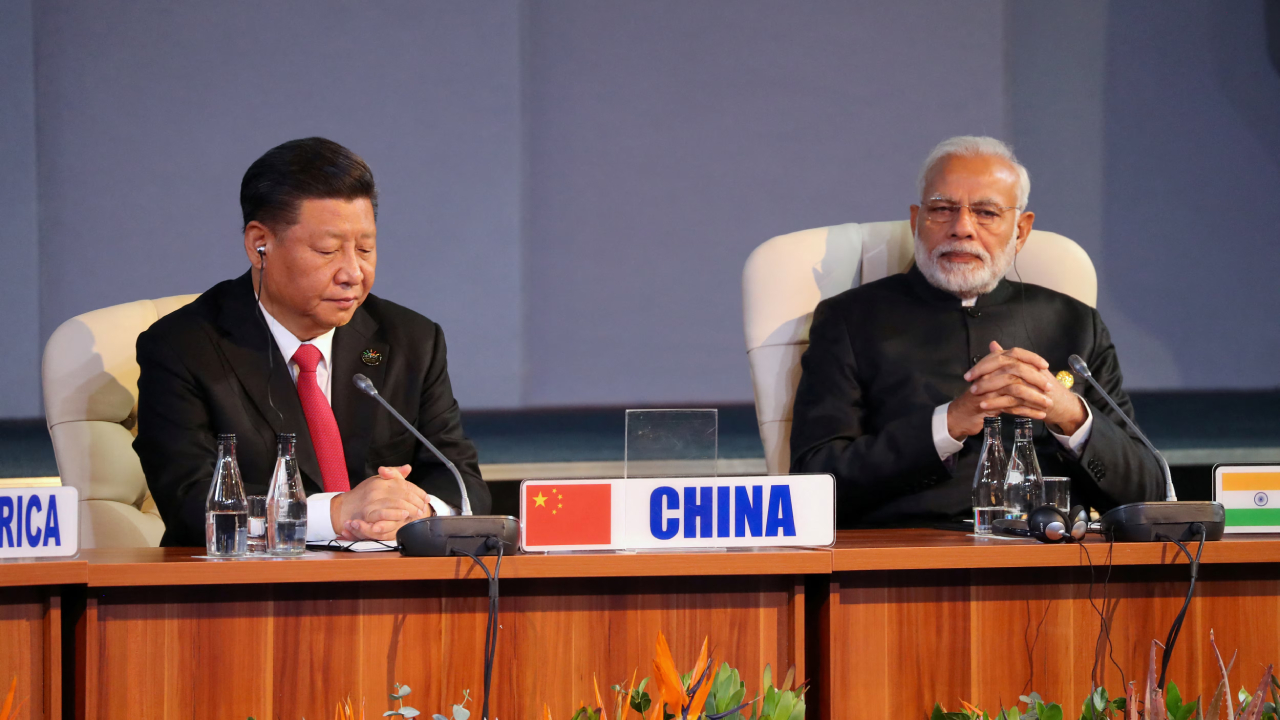
Brivify – For the first time since 2018, Indian Prime Minister Narendra Modi is preparing for a rare trip to China. This comes after years of frosty ties, marked by deadly border clashes in 2020 that left scars on both sides. Interestingly, the thaw in relations coincides with heavy economic pressure from US President Donald Trump, who recently imposed tariffs of up to 50% on Indian imports. Modi’s visit highlights how shifting global dynamics can reshape even the most strained relationships.
“Also read: The New Toyota Corolla Altis HEV GR Sport Launching“
Geopolitical Whiplash Between Rivals
Modi and Xi Jinping, whose soldiers once fought brutal hand-to-hand battles in the Himalayas, may now shake hands for stability’s sake. Their meeting underscores the delicate balance between rivalry and necessity. While both leaders built reputations on nationalism, economic realities are forcing dialogue. This moment reflects how fast-moving geopolitics can transform adversaries into pragmatic partners. For Washington, it raises an uncomfortable question: Is India slowly drifting from America’s orbit toward Beijing’s influence?
The SCO Summit as a Strategic Platform
The upcoming Shanghai Cooperation Organization (SCO) Summit, hosted by China, will serve as the backdrop for Modi’s rare visit. With leaders from Russia, Pakistan, Iran, and Central Asia also attending, the summit is poised to be Beijing’s largest geopolitical stage this year. India’s participation is particularly symbolic, as it represents warming ties with China despite ongoing disputes. By attending, Modi signals New Delhi’s willingness to engage multilaterally, even within blocs historically shaped by Moscow and Beijing.
Trump’s Tariffs: The Unexpected Catalyst
Analysts argue that Trump’s aggressive tariffs on Indian imports, particularly related to Russian oil purchases, created urgency for India to pivot toward China. While not the sole driver, these measures amplified New Delhi’s need to recalibrate. The US, once seen as India’s strongest partner, now appears less predictable. As a result, Modi is pursuing pragmatic diplomacy that secures India’s economic interests while maintaining strategic autonomy. For the US, this shift could weaken years of efforts to build India as a counterweight to China.
India-China Relations: From Brotherhood to Rivalry
Historically, India and China shared a vision of Asian solidarity, especially during the 1950s. However, that friendship collapsed with the 1962 Sino-Indian War, planting seeds of mistrust that persist today. Despite periods of economic cooperation, the 2020 Galwan Valley clashes reignited hostility. Now, normalization efforts are gradually resurfacing. Agreements on tourism, direct flights, and border talks hint at a cautious reset. Yet, deep mistrust lingers, making the relationship a complex blend of cooperation and competition.
“Read more: Elon Musk’s X Sues Apple and OpenAI Over Alleged AI Monopoly“
Balancing Between Superpowers
India’s strategy reflects its long-standing doctrine of strategic autonomy. On one hand, it engages with the US through military drills and technology transfers, reinforcing its role in the Quad alliance with Japan and Australia. On the other, India explores collaboration with China in multilateral forums. This balancing act allows New Delhi to safeguard national interests without fully committing to either bloc. For Modi, the challenge is ensuring India remains an independent power while avoiding overdependence on any single partner.
Economic Necessity Versus Security Reality
Trade ties between India and China remain robust, with bilateral trade exceeding $118 billion last year. India relies heavily on Chinese imports for electronics and raw materials, making economic cooperation unavoidable. Yet, security concerns loom large, with tens of thousands of troops still stationed along disputed borders. This paradox defines the India-China relationship: deep economic interdependence overshadowed by military distrust. Whether Modi’s visit leads to meaningful de-escalation or remains symbolic will be the true test.
Modi’s rare China trip after Trump’s tariff sting highlights the fragile dance of global diplomacy. While India seeks economic stability, the US risks losing ground in its Indo-Pacific strategy. The visit signals cautious warming between India and China, but not a complete realignment. For Washington, the message is clear: unpredictability in trade and foreign policy could push key partners toward rival powers. The future of India-China relations will hinge on whether both sides can manage mistrust while pursuing shared economic goals.