Kim Jong Un and the Future of US–North Korea Dialogue
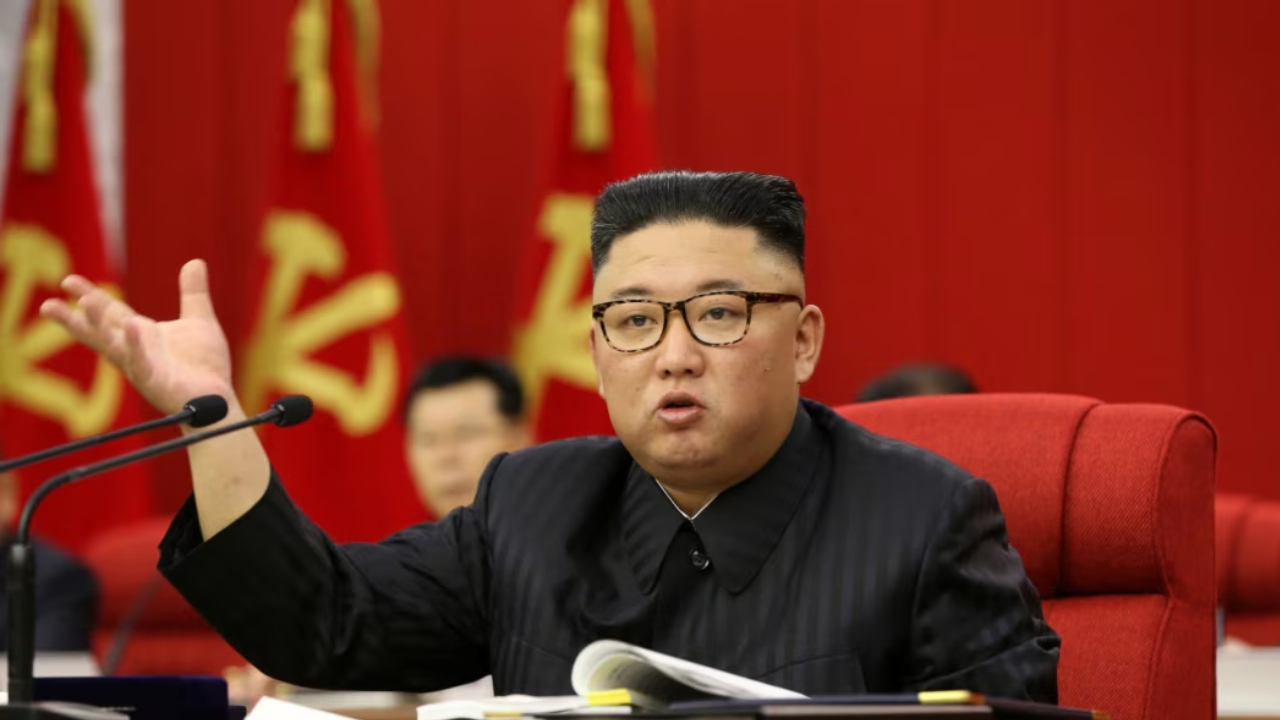
Brivify – In a recent speech at the Supreme People’s Assembly, Kim Jong Un made comments that reignited debate over North Korea’s willingness to engage with the United States. He stated that dialogue was possible if Washington dropped its “obsession” with denuclearization. However, he also emphasized that his nuclear arsenal would never be traded away for relief from sanctions. This dual message revealed both an openness to conversation and a firm stance on national defense, highlighting the complexity of Pyongyang’s position.
“Also read: Mysterious Fireballs Shock India’s Night Sky“
A Personal Nod to Donald Trump
What caught global attention was Kim’s reference to his past relationship with former US President Donald Trump. He remarked that he still had “fond memories” of their meetings, which occurred three times during Trump’s first presidency. This personal acknowledgment is unusual in international diplomacy, suggesting Kim may see Trump as a more approachable figure compared to other US leaders. It also raises the possibility of Trump’s renewed involvement in peace talks.
The Weight of Nuclear Security
Kim Jong Un stressed that building nuclear weapons was a matter of survival for North Korea. He pointed to regular military drills conducted by the US and South Korea, describing them as rehearsals for nuclear war. For Pyongyang, its nuclear arsenal serves not only as deterrence but also as a symbol of resilience against foreign pressure. This insistence underscores why denuclearization remains such a contentious issue in negotiations.
Skepticism Toward Washington and Seoul
Despite hints of openness, Kim expressed strong skepticism toward overtures from Washington and Seoul. He argued that their proposals, including phased dismantlement plans, were disingenuous and ultimately aimed at weakening his regime. From Pyongyang’s perspective, such moves are strategic traps designed to strip the North of its security while leaving it vulnerable to external threats. This mistrust makes finding common ground exceedingly difficult.
Lessons Drawn from Global History
Kim warned that “the world already knows” what happens when nations give up nuclear arms, citing historical precedents where disarmed countries later faced destabilization or foreign intervention. This argument resonates with his audience, reinforcing the idea that nuclear capability is essential for national survival. By framing denuclearization as a death sentence, Kim strengthens internal support for his hardline policies while signaling defiance to the international community.
Sanctions as a Source of Resilience
Interestingly, Kim described international sanctions not as crippling, but as a “learning experience.” He claimed they made North Korea stronger and more resilient by forcing adaptation. While sanctions have restricted funding and trade, Pyongyang continues advancing in nuclear and missile technology. This defiant narrative turns hardship into propaganda, presenting the country as a self-reliant state capable of thriving under pressure.
“Read more: Experiencing the Kaaba Through AI: How Gemini AI Brings Makkah Closer“
South Korea’s Different Approach
South Korean President Lee Jae Myung has acknowledged the failure of sanctions to deter the North. In his view, the current strategy has only worsened the problem. Lee advocates for dialogue and confidence-building measures as a path toward gradual dismantlement of North Korea’s nuclear program. His phased approach may appear pragmatic, yet it faces formidable obstacles, particularly Pyongyang’s mistrust and uncompromising rhetoric.
The Role of Donald Trump in Future Talks
Lee also believes Donald Trump has a key role to play in reopening dialogue. Trump’s prior engagement with Kim Jong Un demonstrated that unconventional diplomacy could produce breakthroughs, even if short-lived. Whether this personal rapport can be revived remains uncertain, but many see Trump as uniquely positioned to bridge the gap. The question is whether both leaders can overcome the failures of past negotiations.
A Critical Crossroads for Peace
At its core, this issue represents a critical crossroads for the Korean Peninsula and global security. Kim Jong Un’s insistence on keeping nuclear weapons reflects a survival strategy rooted in history and mistrust. Meanwhile, calls for renewed talks highlight the urgency of avoiding further escalation. The path forward may depend on bold diplomacy, creative compromise, and leaders willing to defy expectations in pursuit of peace.