El Mencho Killed What His Death Means for Mexico and Global Security
Brivify – El Mencho Killed What His Death Means for Mexico and Global Security became one of the most discussed international headlines on February 23, 2026. News of Nemesio Oseguera Cervantes’ death did not merely signal the fall of a powerful cartel leader. Instead, it triggered deeper questions about stability, power vacuums, and the fragile balance between enforcement and escalation. For years, El Mencho symbolized the rise of the Jalisco New Generation Cartel (CJNG), a criminal organization with global reach. Therefore, his death marks more than a tactical victory. It represents a pivotal moment in Mexico’s long and complex war on organized crime.
“Read Also: Land Cruiser SE, the 2026 Luxury SUV Predicted to Se“
A Decade of Fear and Power Consolidation
For over a decade, El Mencho built CJNG into one of the most aggressive cartels in Mexico. Unlike older organizations that operated discreetly, CJNG expanded rapidly and violently. Consequently, it gained territory through direct confrontation rather than quiet alliances. Authorities often described the group as technologically adaptable and financially sophisticated. Moreover, its presence extended beyond Mexico into North America, Europe, and parts of Asia. This global footprint explains why his death resonated internationally. In my view, understanding his influence is essential. Without that context, it is impossible to measure what his absence truly means for security dynamics.
The Operation That Changed the Narrative
According to official reports, El Mencho was killed during a military operation in Jalisco on February 22, 2026. The following day, February 23, international media amplified the story. Although authorities framed the operation as a strategic success, the immediate aftermath revealed a more complicated reality. Shortly after the announcement, reports of road blockades and armed confrontations surfaced. Therefore, while the mission achieved its target, the broader security picture remained unstable. Historically, similar operations have produced mixed results. For example, past cartel leader arrests sometimes intensified short-term violence rather than reduced it.
Immediate Security Fallout Across Mexico
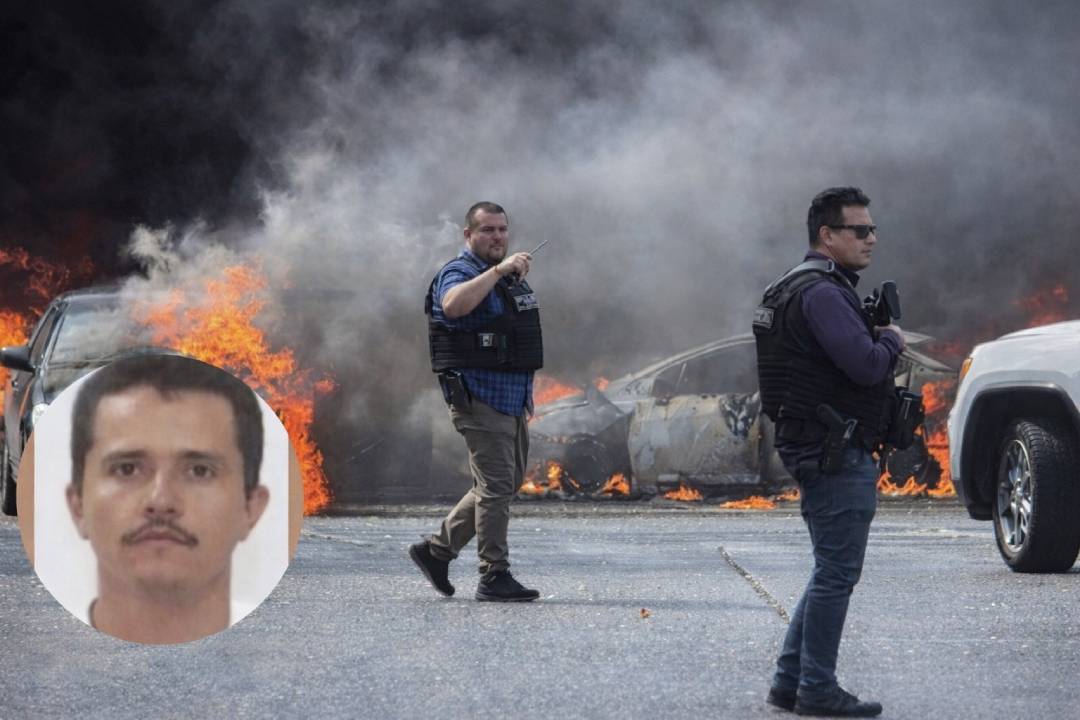
In the hours following confirmation of his death, several regions experienced heightened tension. Vehicles were reportedly set on fire, and highways were temporarily blocked. As a result, schools closed and public events were postponed. These reactions suggest that CJNG retains operational capacity even without its leader. Furthermore, such retaliation indicates that command structures remain intact. From a security perspective, this is critical. When organizations survive leadership loss, they often reorganize quickly. Therefore, the coming months will likely determine whether violence declines or fragments into unpredictable local conflicts.
Power Vacuum or Strategic Weakening?
One of the central questions in El Mencho Killed: What His Death Means for Mexico and Global Security is whether CJNG will fracture. Historically, cartel decapitation strategies produce two outcomes. Either a successor consolidates power swiftly, or internal factions compete violently. At this stage, both scenarios remain plausible. On one hand, a unified leadership transition could preserve cartel stability. On the other hand, rivalry could intensify territorial disputes. In my assessment, fragmentation poses greater short-term risk. When factions compete, civilians often become collateral damage. Consequently, monitoring leadership succession is vital for predicting regional stability.
Implications for U.S.–Mexico Relations
Because CJNG has long targeted U.S. drug markets, Washington closely monitored El Mencho’s operations. Therefore, his death inevitably affects bilateral security cooperation. U.S. officials praised the operation, framing it as a milestone in counter-narcotics strategy. However, experienced analysts caution against premature celebration. Drug supply chains rarely collapse overnight. Instead, networks adapt. For example, synthetic drug production often shifts geographically. Thus, while this operation weakens symbolic leadership, it does not eliminate trafficking routes. In practical terms, collaboration between Mexico and the United States will remain essential in the months ahead.
“Read Also: Greenland Refuses US Aid, Prioritizing Local Healthcar“
Global Security and Transnational Crime Networks
El Mencho Killed: What His Death Means for Mexico and Global Security extends beyond regional borders. CJNG reportedly maintained international connections related to chemical precursor supply and money laundering. Consequently, financial institutions and enforcement agencies worldwide are watching closely. When a major criminal leader falls, global networks often test resilience. Some dissolve, yet others diversify. Therefore, international cooperation will determine whether this moment becomes a turning point or merely a transition. From a global security standpoint, dismantling financial flows is often more impactful than eliminating individuals alone.
The Human Cost Behind the Headlines
Amid geopolitical analysis, it is important to remember the human dimension. Communities in Jalisco and surrounding regions have endured years of fear. Therefore, for many families, this event brings cautious relief. Nevertheless, relief remains fragile. If violence escalates, civilian anxiety may return quickly. In my experience studying security narratives, symbolic victories matter psychologically. They restore a sense of state authority. However, sustainable peace depends on long-term reforms, not single operations. Thus, rebuilding trust between citizens and institutions becomes as important as neutralizing criminal leaders.
A Turning Point or a Temporary Shift?
Ultimately, El Mencho Killed: What His Death Means for Mexico and Global Security represents a defining chapter rather than a final conclusion. While the operation demonstrates state capability, it does not guarantee structural change. Organized crime thrives where governance gaps persist. Therefore, broader reforms in policing, economic opportunity, and judicial efficiency remain essential. If Mexico leverages this moment strategically, it could weaken cartel influence significantly. Conversely, if reforms stall, new leaders may emerge. For now, the world watches closely. The next phase will reveal whether this event marks lasting transformation or another cycle in a prolonged struggle.