Delegates walk out on Netanyahu speech at The United Nations General Assembly
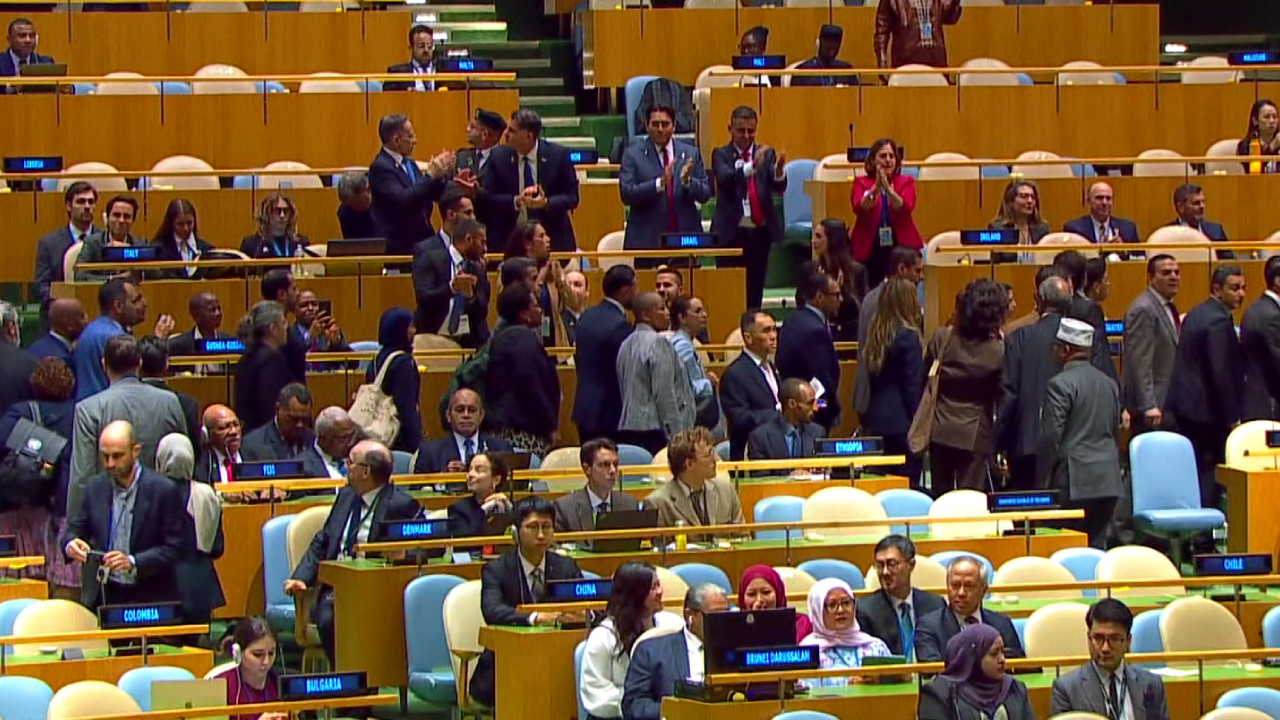
Brivify – The United Nations General Assembly has often been a stage for dramatic moments, but this year’s session reached a new level of tension. As Israel’s Prime Minister Benjamin Netanyahu took the podium, dozens of delegates chose to walk out, making a bold and silent statement. The incident underscored the deep divisions among member states regarding the ongoing conflict in Gaza. It was not just a protest against a speech it was a symbol of how fractured the global response has become when addressing the Israel-Palestine issue.
“Read also: South Korea Alarmed: North Korea Nearing Nuclear Missiles That Could Reach the US“
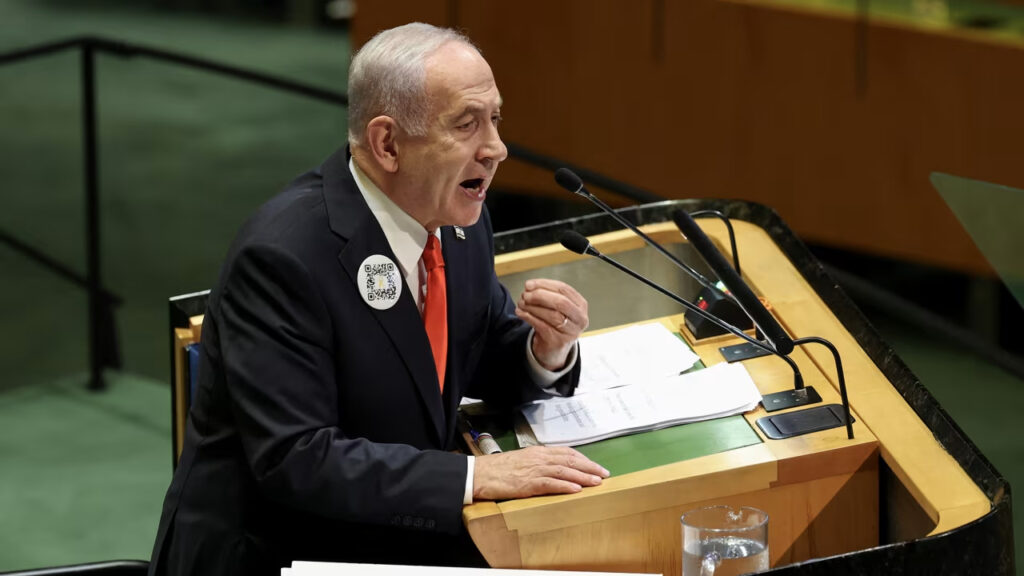
Netanyahu’s Defiant Pledge
In his address, Netanyahu remained unapologetically firm. He vowed to “finish the job” of eliminating Hamas in Gaza, framing the military offensive as both a matter of national security and global stability. His tone carried defiance, suggesting that Israel would not be swayed by international criticism or calls for restraint. For Netanyahu, this speech was more than rhetoric; it was a declaration of intent. However, the visible exit of so many delegates during his words reflected the mounting frustration among nations that see the conflict as spiraling out of control.
The Visual Impact of a Walkout
Diplomatic gestures often speak louder than speeches, and the delegates’ decision to leave mid-address captured global attention. Cameras broadcasted rows of empty seats, magnifying the political theater of the moment. In the world of diplomacy, silence and absence can be as powerful as words. The walkout was not only directed at Netanyahu but also at Israel’s broader policy in Gaza. It reminded observers that symbols matter at the United Nations, where visual acts can carry weight far beyond the assembly hall.
Gaza at the Heart of the Storm
The war in Gaza has become the defining issue of Israel’s international image. While Netanyahu frames the campaign as a fight against terrorism, critics emphasize the humanitarian catastrophe unfolding. Civilian casualties, displacement, and destroyed infrastructure dominate the headlines. This stark contrast of narratives security versus suffering fuels debates in global forums. The walkout, therefore, was not a random act of protest but a reflection of genuine concern about the escalating cost of Israel’s military actions.
Reactions from Delegates and Observers
Many of the delegates who left the hall later issued statements. Some emphasized solidarity with the Palestinian people, while others criticized the tone of Netanyahu’s remarks as inflammatory. International NGOs and human rights organizations echoed these sentiments, arguing that the Prime Minister’s words lacked acknowledgment of the humanitarian toll. Observers noted that while Western allies largely stayed, delegations from parts of Asia, Africa, and Latin America were more inclined to join the protest. This highlighted how geopolitical alliances continue to shape perceptions of the conflict.
Diplomatic Fallout Beyond the Assembly
The ripple effects of the walkout extend beyond New York. Israel now faces growing diplomatic isolation in certain regions. Countries that walked out may reconsider bilateral agreements, while others could intensify calls for sanctions or investigations into war crimes. Netanyahu’s insistence on pursuing military objectives without compromise risks deepening this isolation. At the same time, the episode showcased how fragile Israel’s diplomatic standing has become, especially in multilateral settings where collective symbolism carries significant weight.
“Read more: US Seizes Control Over TikTok Algorithm, Oracle to Oversee Operations“
Public Opinion and Media Coverage
Media outlets across the world quickly amplified images of the empty seats, turning the walkout into a viral narrative. For critics of Israel, it was seen as validation that global patience is wearing thin. For supporters, it was framed as a hypocritical move by countries that fail to confront terrorism in their own regions. Public opinion remains sharply divided, but what is undeniable is that Netanyahu’s speech and the reaction it provoked has cemented itself as a defining moment of this year’s United Nations General Assembly.
The Future of Diplomacy Amid Conflict
What happens next will depend on how Israel manages both its military campaign and its international messaging. If Netanyahu continues with the promise to “finish the job,” pressure will likely mount from governments and civil society alike. The walkout may be remembered not only as a protest but also as a warning signal that the international community’s tolerance has limits. Diplomacy, after all, is about finding common ground. Without it, Israel risks standing increasingly alone in the global arena.
A Test of Global Unity
Ultimately, the walkout during Netanyahu’s speech revealed more than just disapproval; it exposed the challenges of maintaining global unity in the face of polarizing conflicts. The United Nations General Assembly was designed as a platform for dialogue, but in moments like these, it becomes a battleground of principles. The incident serves as a reminder that while speeches can be powerful, actions whether military or symbolic are what truly shape history.