The World is on Alert: Congo’s Ebola Outbreak Officially Declares an International Emergency
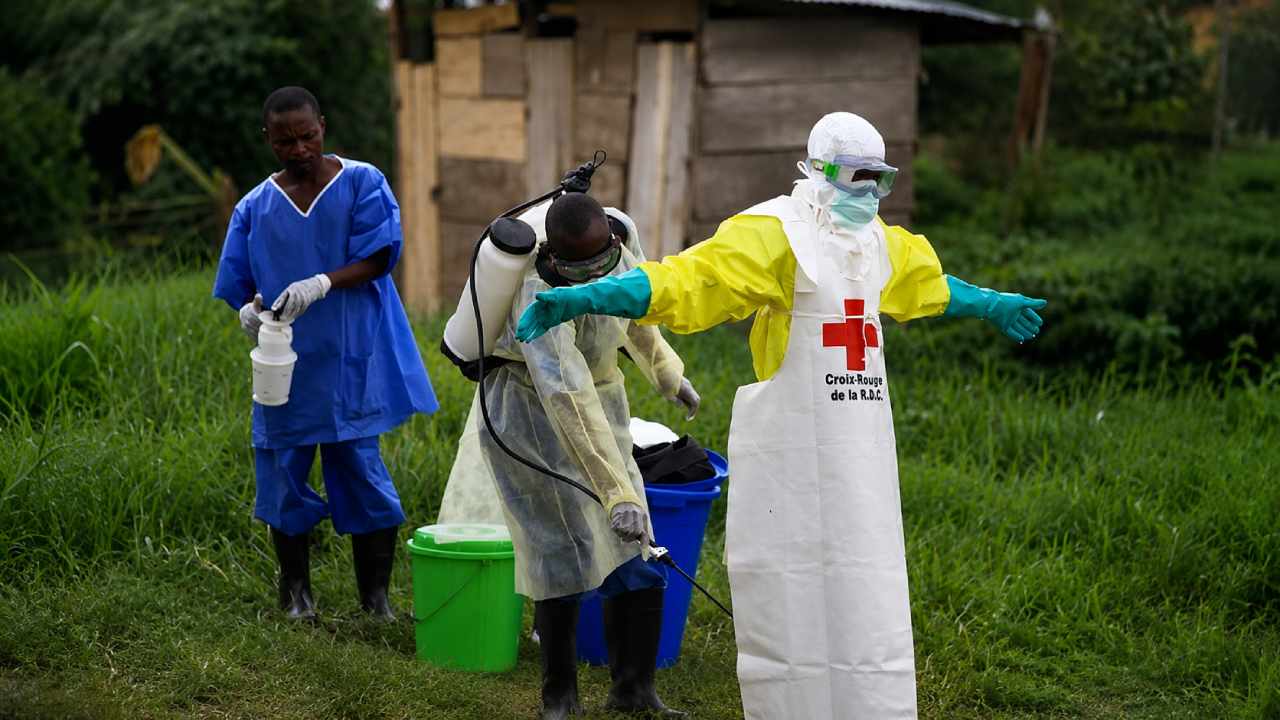
Brivify – The global health community is once again facing serious concern after the World Health Organization officially declared Congo’s Ebola outbreak an international public health emergency on May 17, 2026. The announcement immediately attracted worldwide attention because the outbreak involves a rare strain of the Ebola virus that currently has no widely approved vaccine or specialized treatment. As cases continue to rise across several regions in Central Africa, governments and health organizations are now strengthening emergency response systems to prevent wider transmission. Moreover, memories of previous global health crises have made people far more sensitive to emerging outbreaks. Because of this situation, Alert Congo’s Ebola Outbreak has rapidly become one of the most discussed international health topics in recent days.
Read Also: Brabus Bodo: The €1 Million V12 Hyper GT Inspired by the Aston Martin Vanquish
Alert Congo’s Ebola Outbreak Raises Global Health Concerns Again
Health experts are closely monitoring the Ebola outbreak because the virus is spreading in areas with high population movement and limited medical infrastructure. According to international health agencies, several confirmed infections have already appeared outside the main outbreak zone. As a result, neighboring countries are increasing border screenings and emergency medical preparedness. Furthermore, the outbreak involves the Bundibugyo strain, which is considered more difficult to control due to limited vaccine availability. This factor has intensified global concern and increased pressure on international health organizations. Many observers believe the current situation highlights how vulnerable global health systems remain after recent pandemics. Consequently, Alert Congo’s Ebola Outbreak is now being treated as a major international public health challenge.
The Ebola Situation in Congo Continues to Escalate
Reports from local health authorities indicate that suspected Ebola cases have continued to increase throughout eastern Congo in recent weeks. Several deaths have also been confirmed in mining communities where daily mobility remains extremely high. Unfortunately, ongoing security instability in some affected regions has complicated emergency response efforts. Medical teams are facing difficulties reaching remote communities due to armed conflict and damaged infrastructure. In addition, public fear and misinformation are creating further obstacles for health workers trying to contain the virus. Because of these challenges, international support has become increasingly important in controlling the outbreak before it spreads further across borders.
WHO Officially Declares an International Emergency
The World Health Organization decided to declare the outbreak an international emergency after evaluating the growing risk of cross-border transmission. Although officials clarified that the outbreak is not considered a global pandemic at this stage, they emphasized that the situation requires urgent international coordination. This declaration allows faster mobilization of medical resources, emergency funding, and global surveillance systems. Moreover, it encourages countries worldwide to strengthen preparedness measures without creating unnecessary public panic. WHO officials also stressed the importance of early detection and rapid isolation in preventing wider outbreaks. Therefore, the declaration represents both a warning and a call for global cooperation in addressing the crisis effectively.
Alert Congo’s Ebola Outbreak Sparks Public Anxiety Online
Social media discussions surrounding the Ebola outbreak have increased dramatically since the emergency announcement. Many internet users are comparing the situation to the early stages of previous international health crises. As a result, online conversations about global health preparedness, vaccine development, and international travel safety are becoming more intense. However, medical experts continue to remind the public that Ebola spreads differently from airborne respiratory viruses. Unlike some previous pandemics, Ebola transmission usually requires direct contact with infected bodily fluids. Even so, public anxiety remains understandable because global communities are now more aware of how quickly health emergencies can escalate. Consequently, Alert Congo’s Ebola Outbreak continues to dominate online discussions and international headlines.
Medical Experts Stress the Importance of Early Containment
Health specialists repeatedly emphasize that rapid containment remains the most important strategy in stopping Ebola outbreaks. Early diagnosis, contact tracing, isolation, and community education are considered critical for reducing transmission rates. In addition, healthcare workers are now working to improve public trust in affected communities. Many previous outbreaks became worse because misinformation caused some residents to avoid medical treatment or hide symptoms. Therefore, communication and public awareness campaigns are now playing a major role in response efforts. International organizations are also providing protective equipment, mobile laboratories, and emergency medical staff to strengthen local healthcare systems in Congo and surrounding regions.
Neighboring Countries Begin Strengthening Border Monitoring
Several African countries near Congo have already increased airport screenings and cross-border health checks. Uganda, which recently reported imported Ebola cases, is among the first countries to activate higher emergency monitoring systems. In addition, some governments are preparing quarantine facilities and rapid testing centers near transportation hubs. Although there are currently no signs of widespread international transmission outside the region, health authorities remain highly cautious. Global travel networks and modern mobility patterns have made disease monitoring far more important than in previous decades. Therefore, border control measures are now viewed as a necessary step in preventing further regional spread.
Alert Congo’s Ebola Outbreak Highlights Global Health Vulnerabilities
The current crisis has once again exposed how fragile many global healthcare systems still are when facing infectious disease outbreaks. Despite technological progress and improved medical research, emergency preparedness remains uneven across many regions. Furthermore, outbreaks in politically unstable areas often become much harder to manage due to security and infrastructure limitations. Public health experts believe the situation in Congo demonstrates the urgent need for stronger international cooperation and long-term healthcare investment. Without sustainable support, similar outbreaks could continue appearing in vulnerable regions around the world. As a result, Alert Congo’s Ebola Outbreak is being viewed as both a medical emergency and a reminder of broader global health challenges.
The World Watches Closely as Response Efforts Continue
At the moment, international health organizations are continuing to monitor the outbreak while expanding emergency assistance across affected regions. Medical teams remain focused on slowing transmission and preventing the virus from spreading into larger urban centers. Although the situation remains serious, experts believe rapid coordination and public awareness could help reduce the risk of wider escalation. Nevertheless, the next several weeks will likely determine how successfully the outbreak can be contained. Because of that, governments, healthcare workers, and global institutions are maintaining high alert levels as the world continues watching developments in Congo very closely.