Global Oil Prices Surge Past $100 as Middle East Tensions Escalate
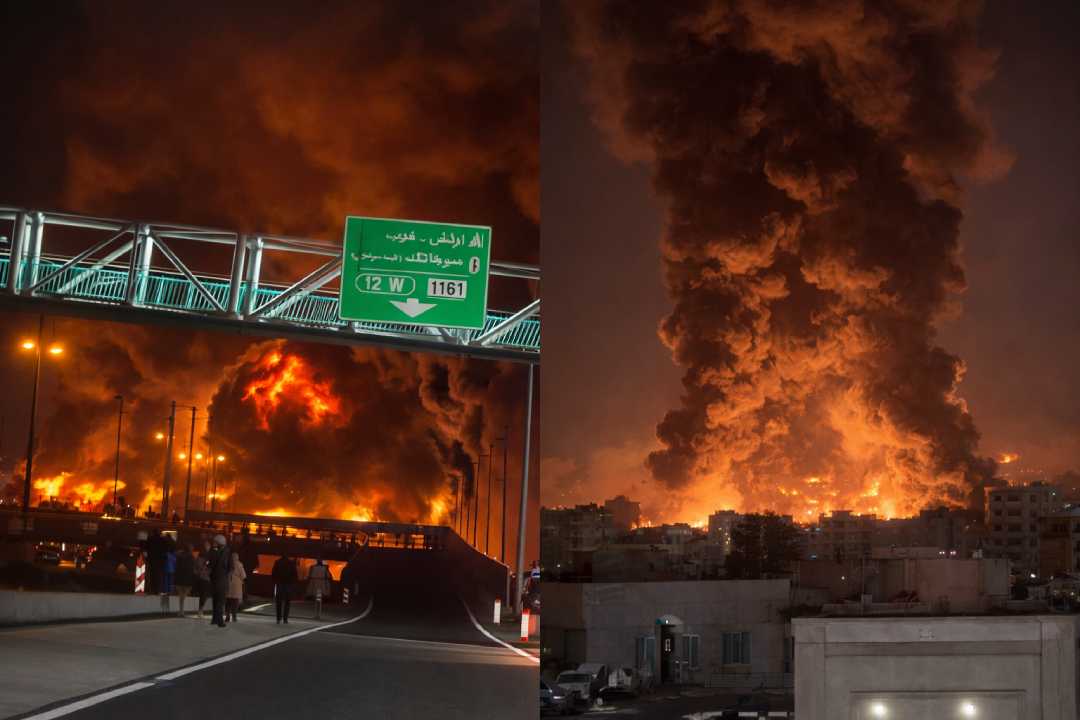
Brivify – Global Oil Prices Surge Past $100 as Middle East Tensions Escalate, and the development has immediately shaken energy markets around the world. Over the past few days, investors, analysts, and governments have closely monitored the situation because geopolitical tensions often influence global commodity prices. When uncertainty grows in key oil-producing regions, traders typically anticipate potential supply disruptions. As a result, prices tend to rise quickly. This recent surge reflects that familiar market behavior. For many observers, the sudden jump above the $100 threshold signals growing anxiety about the stability of oil supply routes. Moreover, financial markets often react strongly to such geopolitical risks. Oil, after all, remains a crucial resource for transportation, manufacturing, and global logistics. Therefore, even a small disruption can influence multiple industries simultaneously. From a market perspective, the $100 price level also carries psychological importance. Investors often view this number as a symbolic benchmark. Consequently, crossing that threshold amplifies media attention and market speculation.
“Read Also: CEO of Toyota Discusses Challenges Facing Japan’s Automotive Industry in 2026“
The Middle East Once Again Becomes the Center of Global Energy Attention
The Middle East has long been one of the most influential regions in global energy supply. Consequently, any political or military tension in this area immediately attracts worldwide attention. Recently, rising tensions between several regional powers have increased concerns about potential disruptions in oil production or transportation. Because many of the world’s largest oil reserves are located in this region, even minor instability can affect global markets. Furthermore, key shipping routes such as the Strait of Hormuz play a vital role in transporting oil to international markets. If this corridor faces disruption, global supply chains could experience immediate pressure. Therefore, traders react quickly whenever news emerges from the region. In the current situation, the market response reflects caution rather than panic. Still, analysts warn that prolonged tensions could push energy prices even higher. From a strategic perspective, this situation demonstrates how tightly global economics and geopolitics remain connected.
Why the $100 Oil Price Level Matters for the Global Economy
Crossing the $100 price point carries both symbolic and practical implications. Historically, oil reaching this level has often signaled periods of economic uncertainty or geopolitical instability. In addition, energy prices influence almost every sector of the global economy. Transportation companies, airlines, manufacturing industries, and even agriculture rely heavily on fuel costs. Consequently, when oil prices rise sharply, operating costs increase across multiple sectors. Businesses may then adjust prices to compensate for rising expenses. As a result, consumers often experience higher costs for goods and services. Economists frequently watch oil prices as an early indicator of inflationary pressure. Therefore, the recent surge has revived discussions about global inflation risks. In my view, markets often react not only to actual supply disruptions but also to expectations. When investors anticipate shortages, prices can rise even before supply problems occur. This psychological component often amplifies market volatility.
Investor Reactions and the Shift Toward Safe Haven Assets
Whenever geopolitical tensions increase, investors often reconsider their strategies. In uncertain environments, financial markets tend to move toward safer assets. For instance, commodities such as gold frequently attract increased attention during periods of global instability. Similarly, government bonds sometimes benefit from investor caution. Meanwhile, energy stocks may experience short-term gains because higher oil prices improve profit margins for producers. However, the broader market reaction usually remains mixed. On one hand, energy companies benefit from rising prices. On the other hand, industries that depend on fuel may struggle with higher operational costs. Therefore, the financial landscape becomes more complex during such periods. Many analysts believe that investor behavior reflects a balance between opportunity and risk. From my observation, markets rarely move in a single direction during geopolitical crises. Instead, different sectors respond in different ways, creating a dynamic and often unpredictable environment.
How Rising Oil Prices Influence Inflation and Consumer Costs
Energy costs play a central role in shaping global inflation trends. When oil prices increase significantly, the impact extends far beyond fuel markets. Transportation costs rise first because logistics companies must pay more for fuel. Consequently, shipping goods becomes more expensive. Retailers then face higher distribution costs, which can translate into increased prices for consumers. This chain reaction demonstrates how closely energy markets connect with everyday life. For example, rising oil prices may eventually influence the cost of groceries, electronics, and travel. Economists often describe this process as cost-push inflation. In simple terms, higher production costs push prices upward throughout the economy. Governments and central banks therefore monitor energy prices carefully. Policymakers understand that prolonged increases could complicate efforts to stabilize inflation. From a consumer perspective, the impact may not appear immediately. However, over time, sustained energy price increases can gradually affect household budgets.
“Read Also: Drone Attack Targets Fuel Tanks at Kuwait International Airport“
Energy Security Concerns Begin to Shape Government Policies
The recent surge in oil prices has also revived global discussions about energy security. Many governments now recognize the importance of diversifying energy sources to reduce dependence on volatile geopolitical regions. Consequently, some countries are accelerating investments in renewable energy technologies. Solar power, wind energy, and alternative fuels have gained renewed attention as long-term solutions. At the same time, governments continue to maintain strategic petroleum reserves to manage short-term supply disruptions. These reserves serve as emergency buffers during sudden market instability. Nevertheless, replacing traditional fossil fuels remains a complex and gradual process. Modern economies still rely heavily on oil for transportation and industrial production. Therefore, energy diversification strategies must balance sustainability with economic stability. In my opinion, the recent price surge highlights a broader lesson. Global energy systems must evolve carefully to ensure both resilience and affordability.
Historical Context: Previous Oil Price Surges and Market Lessons
Oil prices exceeding $100 are not entirely unprecedented. Similar spikes occurred during earlier geopolitical crises and supply disruptions. For instance, the early 2010s saw oil prices remain above $100 for extended periods due to strong global demand and political instability. At that time, high energy prices contributed to economic challenges in several countries. However, markets eventually adjusted through increased production and technological innovation. The rise of shale oil production in the United States significantly changed global supply dynamics. Consequently, oil markets today operate under different conditions compared with previous decades. Nevertheless, history shows that energy markets remain highly sensitive to geopolitical developments. Each crisis teaches valuable lessons about supply resilience and market behavior. From a long-term perspective, understanding these historical patterns helps analysts interpret current market movements more accurately.
What the Future Might Hold for Global Energy Markets
Looking ahead, the trajectory of oil prices will likely depend on geopolitical developments and supply stability. If tensions in the Middle East ease, markets may gradually stabilize and prices could retreat from current highs. However, prolonged uncertainty could maintain upward pressure on energy prices. Additionally, global demand continues to grow as emerging economies expand industrial activity. This factor further complicates the outlook for energy markets. In the long run, the world may see a gradual transition toward diversified energy sources. Nevertheless, oil will likely remain a critical component of the global economy for decades. Therefore, fluctuations in oil prices will continue to influence economic policy, financial markets, and everyday consumer costs. Ultimately, the recent surge reminds us that energy markets operate within a complex network of politics, economics, and global demand.