US-Iran Negotiations Key to Middle East Stability and Security
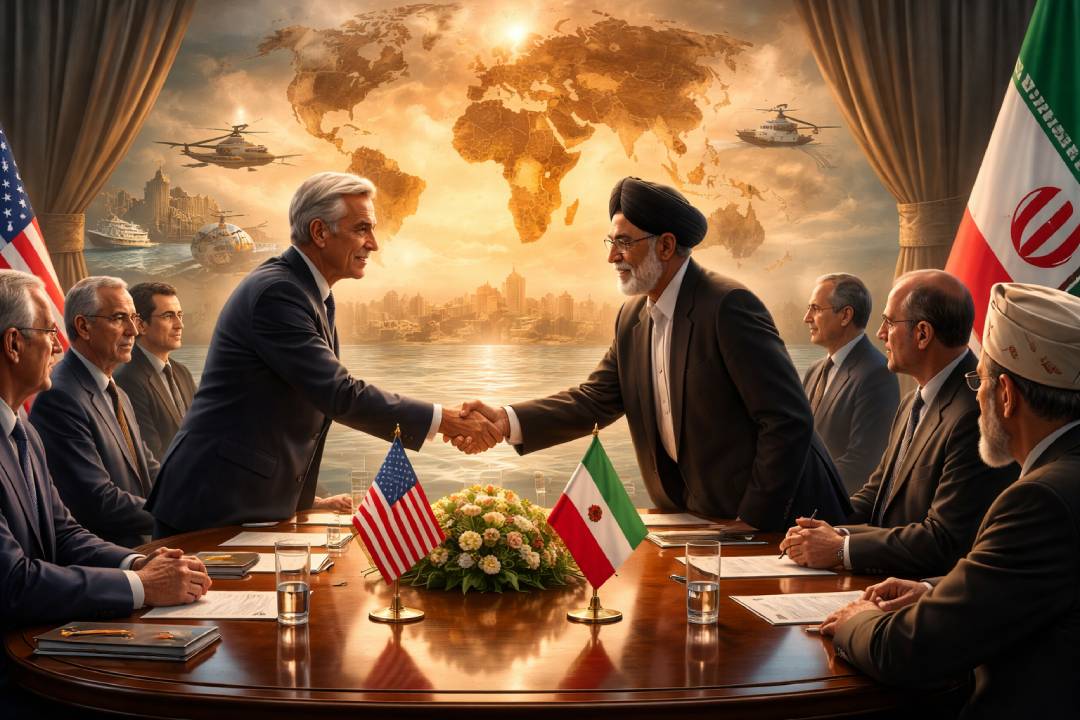
Brivify – US-Iran negotiations Key to Middle East Stability and Security are key to ensuring stability and security in the Middle East. Recent diplomatic activity between Washington and Tehran, including indirect talks in Muscat, Oman, aims to address Iran’s nuclear program and prevent further escalation. Despite deep mistrust and disagreements, particularly over ballistic missiles and regional influence, both sides have shown willingness to engage in dialogue. This ongoing negotiation offers a chance to reduce the risk of conflict and promote greater regional cooperation.
“Read Also: Grammy Awards 2026: Artists Protest ICE’s“
A Complex History Between Two Powers
The relationship between the United States and Iran has been tense since the 1979 Iranian Revolution and the hostage crisis. Diplomatic ties have repeatedly deteriorated over the decades due to nuclear concerns, regional rivalries, and economic sanctions. These historical issues continue to shape today’s negotiations. While progress has been slow, each attempt at dialogue offers a chance to ease tensions and make diplomacy essential for improving future relations.
The Strategic Importance of Negotiations
At its core, the US‑Iran negotiations represent more than diplomatic talking points; they are central to regional stability. Iran’s strategic position in the Middle East and its influence across countries like Iraq, Syria, and Lebanon have made it a pivotal player. Meanwhile, the United States remains a key security partner for several Gulf states and Israel. When both nations engage in negotiations, the ripple effects extend far beyond their borders impacting energy markets, military alliances, and international security frameworks.
Nuclear Diplomacy and Security Concerns
One of the most high-profile aspects of US-Iran talks is Iran’s nuclear program. Diplomatic agreements, like the Joint Comprehensive Plan of Action (JCPOA), aimed to limit Iran’s nuclear capabilities in exchange for sanction relief. While the JCPOA faced setbacks and reduced participation, its core principle remains: negotiated limits on nuclear development can reduce the risk of escalation. As a result, any renewed negotiations often focus on reshaping frameworks that balance security and mutual accountability.
Sanctions and Economic Pressures
Sanctions have been a major leverage point in US foreign policy toward Iran. While intended to pressure Tehran into compliance, these economic measures have also had profound effects on everyday Iranians. Rising inflation, limited access to key imports, and strained economic growth all contribute to internal pressures within Iran. From a humanitarian and diplomatic perspective, negotiations that address sanctions while ensuring compliance with international norms can create opportunities for economic stability and constructive engagement.
Regional Power Balances and Alliances
The Middle East is home to complex alliances that influence negotiation dynamics. Countries like Saudi Arabia and the United Arab Emirates have viewed Iran as a rival, shaping their diplomatic and military strategies. External powers, such as Russia and China, also play roles in balancing influence in the region. Therefore, US-Iran negotiations are not isolated. They are part of a broader regional context where interests, competitions, and partnerships intersect.
“Read Also: Lamborghini Temerario 2026: The Ultimate Fusion “
Human Impact and Public Sentiment
Beyond policy and strategy, the negotiations have real human consequences. Families on both sides of the conflict experience the effects of regional tensions from economic instability to the threat of military conflict. Public opinion can shape government stances, amplifying calls for peace or, conversely, hardening positions. Recognizing this human dimension adds depth to our understanding of why negotiations matter and why they must be conducted with sensitivity to both domestic and regional audiences.
Opportunities for De‑Escalation
While mistrust and geopolitical competition remain significant barriers, negotiations offer opportunities for de‑escalation and confidence‑building. Confidence measures, such as mutual reductions in military presence or agreements on transparency, can foster incremental progress. Though these steps may seem modest, they can lay the groundwork for deeper cooperation, reducing the likelihood of miscalculation and conflict. In this respect, negotiations serve not only as a diplomatic tool but also as a means to build long‑term stability.
Looking Ahead Potential Pathways
Looking forward, the future of US‑Iran negotiations will likely involve multifaceted approaches that balance security, economic interests, and regional cooperation. As international pressure evolves, new diplomatic channels potentially involving multilateral engagement with other global stakeholders could emerge. Ultimately, the success of these negotiations will depend on political will, mutual recognition of shared interests, and a commitment to constructive dialogue. In an uncertain world, diplomacy presents the most promising path toward peace and resilience in the Middle East.