Asia Deadly Cyclones Reveal Urgent Climate Vulnerabilities

Brivify – Asia deadly cyclones continue to expose how unprepared many communities are for extreme weather. When powerful storms collided with seasonal monsoon rains, the impact spread rapidly across Indonesia, Thailand, Malaysia, and Sri Lanka. Almost 1,400 lives were lost, hundreds remain missing, and more than a million people fled their homes. Although seasonal floods are normal, this year’s destruction felt different. The storms arrived harder, moved wider, and left deeper emotional trauma. Because of this, many experts argue that early warning systems and community resilience remain far behind the pace of climate change.
“Read also: Tracing the Shifting Story Behind the Trump Administration’s “Double-Tap” Strike“
A Nursing Home in Hat Yai Turns Into a Fight for Survival
In southern Thailand, Asia deadly cyclones created one of the most terrifying moments in Hat Yai. The city usually serves as a vibrant hub for trade and tourism. Yet last week, it turned into an island surrounded by eight-foot floodwaters. When water rushed into the nursing home where Wassana Suthi worked, she and her small team carried elderly residents upstairs. Soon after, the power failed. They relied on battery-powered oxygen tanks and candlelight to care for bed-ridden patients. Later, a Thai Army helicopter dropped food onto the roof, giving them a lifeline. When the water finally receded, Suthi stepped outside and saw abandoned cars, destroyed homes, and families searching the ruins. She compared the scene to an apocalypse.
Cyclone Senyar Slams Indonesia With Deadly Force
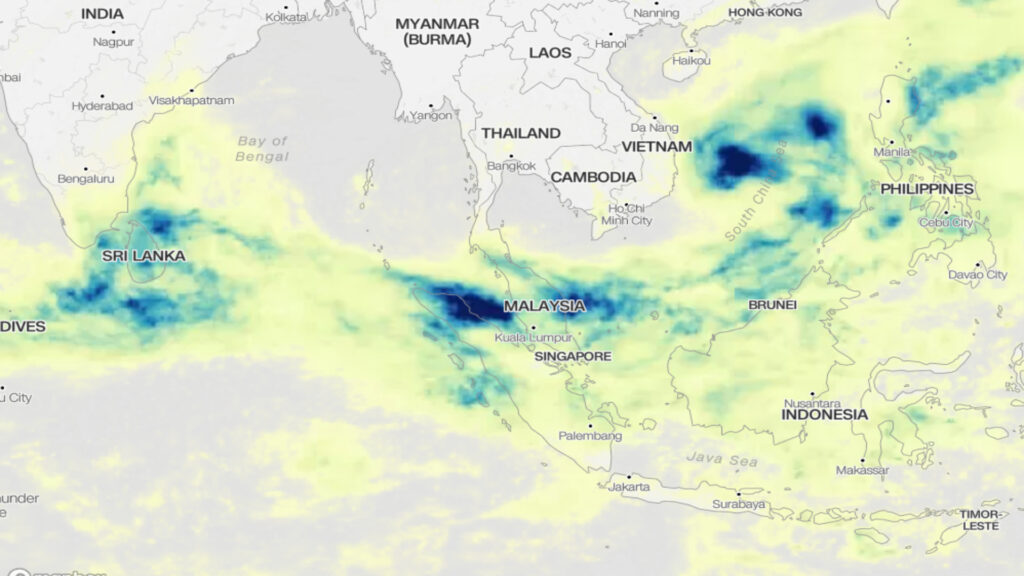
Meanwhile, Cyclone Senyar struck Sumatra with brutal intensity. Indonesia later confirmed 708 deaths, a number that still shocks local officials. Entire villages faced sudden landslides and deadly flash floods. Many survivors described how mountainsides seemed to “fall apart” in front of them. Furthermore, Senyar devastated regions home to critically endangered orangutans, adding an environmental crisis to an already severe human tragedy. Rescue teams struggled to reach isolated communities. Volunteers had to climb over collapsed hills, broken roads, and rivers filled with debris. Every corner of the disaster zone mirrored the overwhelming power of nature.
Sri Lanka Endures Its Worst Flooding in Ten Years
At the same time, Cyclone Ditwah battered Sri Lanka with the worst flooding in a decade. Brown floodwaters swallowed roads, homes, and entire neighborhoods. Tourist areas turned into evacuation centers overnight. The death toll rose to 465, and 366 people remain missing. The Sri Lankan military called for urgent assistance because the destruction grew too large for them to manage alone. India responded immediately with helicopters and naval ships. Pakistani rescue teams joined soon after. Despite political tension in the region, both neighbors stepped in to support Sri Lanka, proving that extreme disasters can break through long-standing divisions.
“Read also: European Central Bank Warns of Rising Inflation Risks as New Forecasts Loom“
The Region Confronts a New Climate Reality
Across Asia, deadly cyclones show that extreme weather is transforming faster than expected. Warmer oceans now fuel stronger storms, making them unpredictable and far more destructive. As a result, governments must rethink flood defenses, evacuations, and early-warning systems. The recent disasters did more than destroy buildings they exposed weaknesses in regional coordination. They also revealed how emotionally exhausting recovery becomes once the water disappears. Families carry trauma long after the headlines fade, making long-term support essential.
Thailand Faces a Future Filled With Weather Uncertainty
In Hat Yai, residents are cleaning mud-covered streets while worrying about the next storm season. Suthi continues searching for liquid food supplies for her patients because the floods wiped out nearby inventories. Many locals share her fear. They say this year’s flooding felt unlike anything they have ever witnessed. For them, Asia deadly cyclones are not distant events. Instead, they are personal stories of fear, courage, and survival etched into streets now stained with mud and debris.
Emotional Healing Becomes a Long and Complex Process
While rebuilding physical structures seems straightforward, emotional recovery takes far longer. Families searching for missing relatives live with constant anxiety. Volunteers who carried victims through mud now struggle with nightmares. Children trying to understand why their homes vanished often fall silent. Healing requires more than shelters and concrete. It needs financial stability, mental-health support, and community environments built with empathy. Stories from Hat Yai and Sumatra remind us that survival is not only about staying alive it is about learning how to rise again.
Asia Deadly Cyclones Deliver a Warning the Region Cannot Ignore
Ultimately, Asia deadly cyclones warn the region about what lies ahead. Governments must strengthen disaster-response systems, improve cross-border cooperation, and support climate adaptation at the community level. Residents must also receive training and education so they can react quickly when storms arrive. Nature no longer gives long warnings. Therefore, the choices made today both political and practical will determine how many lives can be saved during the next disaster.