US Peace Plan for Ukraine Sparks Global Concern and Urgent Diplomacy
Brivify – The US peace plan for Ukraine arrived like a lightning bolt, catching European leaders off guard as they gathered for the G20. Although the document was framed as a path toward ending a devastating war, its concessions to Moscow immediately stirred discomfort. European officials felt they were reading a plan shaped without their hands, crafted largely in Washington and presented as a near-final blueprint. In the hallways of the summit, diplomats whispered the same thought: peace built on shaky foundations rarely holds.
“Read also: Nvidia Strong Performance Tries to Calm Rising Fears“
Why Europe Sees the Proposed Military Restrictions as Troubling
As leaders examined the details, the proposed limitations on Ukraine’s armed forces began to dominate conversations. It was not merely the scale of downsizing that unsettled them but the principle behind it. Reducing an army still under active threat felt dangerously premature. Moreover, clauses requiring Ukraine to abandon its NATO ambitions crossed a line many European states were unwilling to erase. Because of this, they agreed that the US peace plan could not move forward without significant revision.
Ukraine Confronts an Impossible Choice With Little Time to Decide
For President Volodymyr Zelensky, the proposal presented an agonizing dilemma. Accepting the plan might secure vital US support, yet doing so risked sacrificing national dignity and territorial integrity. Even so, former President Donald Trump imposed a deadline, giving Kyiv only days to respond. While Trump later clarified that the plan was “not my final offer,” the pressure created a sense of urgency that settled heavily over the Ukrainian delegation. In moments like this, diplomacy feels less like negotiation and more like survival.
Allies Walk a Tightrope as They Push Back Without Alienating Washington
European leaders responding to the US peace plan found themselves navigating a dangerous diplomatic tightrope. They needed to protect Ukraine’s interests without provoking the United States, whose support remains indispensable. German Chancellor Friedrich Merz insisted that any resolution must reflect the will of Ukraine and the broader European community. Meanwhile, British Prime Minister Keir Starmer struck a careful tone, welcoming the effort but emphasizing that “more work is needed.” This balancing act revealed the depth of Europe’s dependence on American influence both politically and militarily.
Nordic and Baltic States Reinforce Their Commitment to Kyiv
While the larger powers weighed their words, the Nordic-Baltic bloc spoke with remarkable clarity. They reaffirmed their unwavering support for Ukraine, rejecting any deal that compromised sovereignty. In their view, security grows from strength, not concession. Their statement underscored a simple truth: any peace forged under pressure risks becoming another future crisis. Because of this, they pledged to keep arming Ukraine, strengthening Europe’s defenses, and resisting Russian aggression on every front.
“Read more: Black Shark’s New Direction: Creating a Cooling Fan for the iPhone 17 Pro“
High-Stakes Diplomacy Moves to Switzerland for Crucial Talks
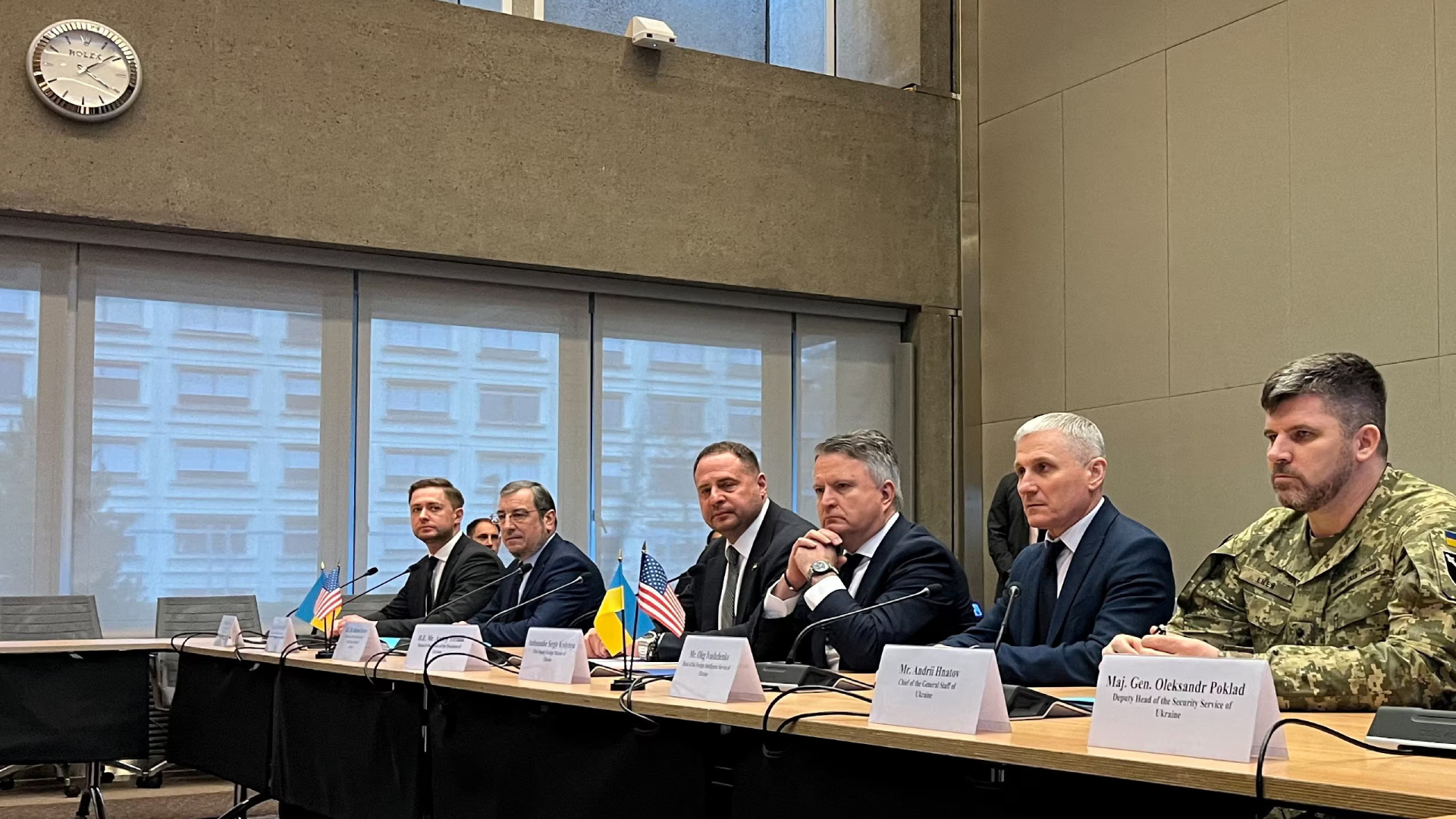
Amid the uncertainty, the next phase of negotiations shifted to Geneva, where US and Ukrainian officials prepared to refine the proposal. Secretary of State Marco Rubio and Ambassador Steve Witkoff were among those tasked with tightening the language before Zelensky’s meeting with Trump. Meanwhile, European national security advisers arranged their own sessions with Ukrainian and American counterparts, hoping to shape the plan before it hardened into a binding document. Their presence underscored the recognition that a flawed agreement now could destabilize Europe for decades.
Russia Watches Closely as Its Role in the Plan Draws Scrutiny
Behind the scenes, one question lingered: how would Russia respond to being offered concessions that many saw as generous? Plans surfaced for a separate US-Russia meeting to discuss the terms, though not in Switzerland. European diplomats voiced frustration, noting that any future agreement must avoid legitimizing occupation or imposing security restrictions that mirror Moscow’s demands. Their stance suggested a deeper fear that unchecked concessions within the US peace plan could reshape Europe’s security architecture in Russia’s favor.
Europe Rallies for a United Front Amid Escalating Uncertainty
As concerns mounted, European Council President António Costa called an urgent meeting of all 27 EU leaders. His goal was simple: craft a unified response before the next round of talks began. For many, the moment felt like a test of Europe’s cohesion, revealing whether the continent could stand firm in a time of moral and political strain. Peace remains the hope, but the foundation must be just, sustainable, and rooted in Ukraine’s sovereignty. Any plan American or otherwise must serve that principle.