New Delhi Chokes Under Toxic Smog After Diwali as Air Quality Hits Record-Breaking Levels
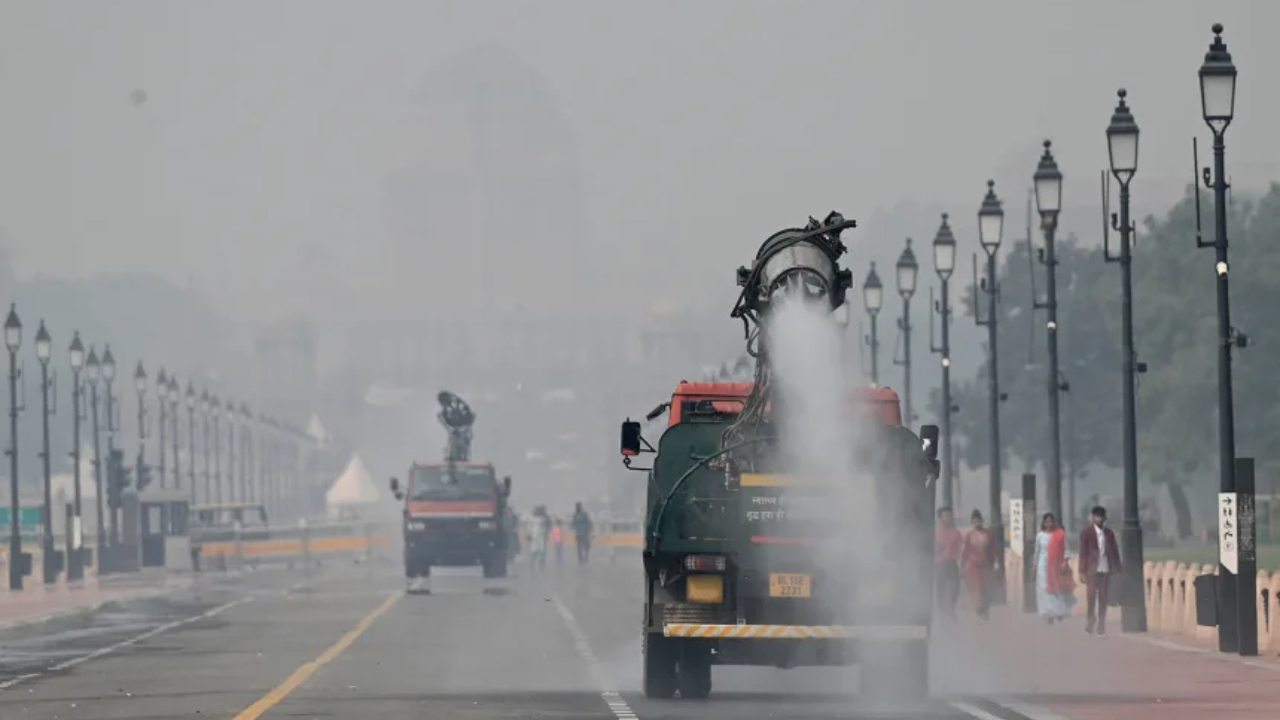
Brivify – New Delhi once again stepped into a harsh reality the morning after Diwali, as nearly 20 million residents inhaled the most toxic air among all major cities worldwide. Although Diwali is a deeply celebrated cultural occasion, the aftermath reveals a recurring environmental tragedy. Early air-quality reports from IQAir showed PM 2.5 values reaching more than 40 times higher than the World Health Organization’s annual guidelines. As people emerged from their homes, the air felt thick, visibility dropped, and the familiar sting in the eyes reminded everyone that pollution season had officially arrived. Personally, it is heartbreaking to observe how a festival meant to symbolize light and renewal continues to cast an increasingly darker shadow over public health.
“Read also: Horizon Plane’s Futuristic Shape Could Revolutionize Flying“
New Delhi Faces its Seasonal Air Crisis Once Again
While Diwali worsens the situation for a few days, the deeper issue is seasonal agricultural burning. Every winter, farmers in regions surrounding the capital burn stubble to clear fields, and combined with stagnant cold air, pollution becomes trapped above the city. Consequently, the capital enters chronic distress during the cold months. In my view, tackling this issue demands cross-regional coordination because local policies alone cannot fight a problem spreading across multiple states. Without a nationwide agricultural solution, New Delhi will continue to choke under smoke every year.
Firecrackers Intensify New Delhi’s Daily Air Pollution
Furthermore, Diwali fireworks add a dangerous layer of pollutants into the air, including sulfur oxides, nitrogen oxides, and heavy metals. Although authorities introduced a complete ban in 2020 and later allowed only “green” firecrackers, the weak enforcement proved ineffective. Residents reported hearing explosions long past the permitted hours, and non-green firecrackers remained widely available. From a social perspective, cultural habits often overpower regulations, especially when celebratory traditions feel more personal than government orders. This cultural resistance makes environmental enforcement extremely challenging.
Residents Describe Physical and Emotional Impact
As pollution rose sharply, many residents reported burning eyes, scratchy throats, and a sense of heaviness in the chest. For example, Anushka Singh, a graphic designer, explained how she stayed inside with her dog to shield him from the noise of the night. Yet stepping outside the next morning felt like walking into a toxic haze. Similarly, corner-store owner Chandra Tandon admitted that although fireworks feel “fun,” the aftermath is undeniably harmful. These personal stories reveal the emotional toll pollution places on citizens beyond mere statistics. People feel helpless, frustrated, and trapped in a cycle that seems unavoidable.
The Challenge of Balancing Tradition and Public Health
Traditionally, firecrackers symbolize joy and victory over darkness, and many families believe Diwali feels incomplete without them. However, every year the tension between tradition and public health becomes more pronounced. As adults continue encouraging or participating in firecracker use, they inadvertently contribute to worsening conditions for vulnerable groups such as children, elderly individuals, and those with respiratory issues. I believe stronger awareness campaigns rooted in culture not enforcement alone might help shift public behavior. When people understand how pollution undermines the essence of Diwali itself, change becomes more meaningful.
“Read more: The Secret to Fun Traveling: Bring the Samsung Galaxy Z Flip 7 Everywhere“
Failed Attempts to Clean New Delhi’s Air
Authorities have tried numerous measures, including odd-even road restrictions, smog towers, water sprinkling, and industrial shutdowns. However, poor coordination and inconsistent enforcement limit their effectiveness. Smog towers positioned around the capital never met performance expectations, partly due to weather patterns and partly due to poor maintenance. In my opinion, policymakers often respond reactively rather than proactively, which results in short-term fixes rather than long-term solutions. Without a sustainable strategy, even billion-rupee technology cannot counter decades of accumulated environmental neglect.
New Delhi’s Pollution Crisis Highlights National Challenges
As of Wednesday, three Indian cities ranked among the world’s most polluted New Delhi, Kolkata, and Mumbai. This not only shows that the problem is not isolated but reflects nationwide environmental strains. India’s rapidly growing population and expanding industry place enormous energy demands on infrastructure. Thus, economic growth often outweighs environmental concerns. When examining this situation from a broader lens, the government must balance development with public health yet this balance remains extremely fragile.
Climate Change Intensifies New Delhi’s Seasonal Pollution
Moreover, global warming amplifies rainfall events, shifts wind patterns, and increases storm intensity in the western Pacific. Warmer oceans inject more moisture into the atmosphere, and when that moisture finally settles, affected regions face heavy downpours or prolonged humidity. This affects pollution dispersal across South Asia. As climate scientists warn, hotspots like New Delhi may continue to face harsher winters, thicker smog layers, and longer pollution seasons unless major policy reforms emerge. Ultimately, New Delhi’s struggle underscores how climate change and human-induced emissions reinforce one another.