The Tenth Hostage Returned to Israel A Story of Grief, Memory, and Unfinished Promises
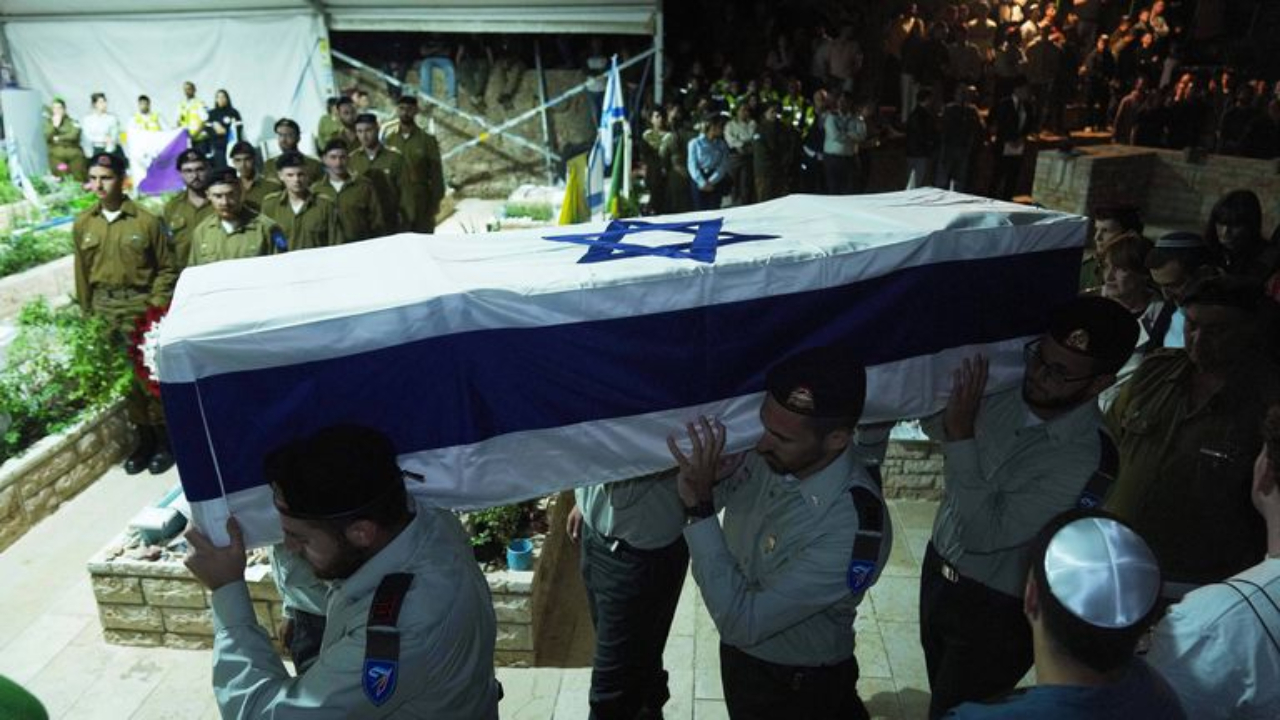
Brivify – The return of the tenth hostage from Gaza has reopened deep emotional wounds across Israel. Eliyahu “Churchill” Margalit, a cherished resident of Kibbutz Nir Oz, was killed during the Hamas-led attack on October 7, 2023. His body remained in Gaza for nearly two years before being handed back to Israel under the recent ceasefire deal.
Kibbutz Nir Oz announced his return with both heartbreak and gratitude. They described him as “a kind-hearted man whose world was filled with family, community, nature, and animals.” His homecoming offered his loved ones long-awaited closure, yet it also reignited national grief for all who are still missing.
“Read also: Trump Shifts Stance on Ukraine Strikes After Putin Summit“
A Fragile Exchange Under the Ceasefire Agreement
The transfer of Margalit’s body formed part of a delicate ceasefire agreement between Israel and Hamas. The Red Cross acted as an intermediary, coordinating the handover with the Israel Defense Forces (IDF) and the Israel Security Agency (ISA). This cooperation was one of the few humanitarian successes since the ceasefire began.
Despite the progress, frustration remains. Hamas spokesman Hazem Qassem said his group would “continue working to complete the exchange process,” though many in Israel question the sincerity of that commitment. Each recovered hostage represents relief, but also exposes how fragile the situation truly is.
Families Still Waiting for Closure
Eighteen deceased hostages remain in Gaza. For their families, every passing day feels heavier. Many Israelis believe the ceasefire’s most urgent goal returning all hostages has yet to be fulfilled. Protests have erupted across Tel Aviv and Jerusalem, where citizens demand faster action from both the government and international mediators.
As someone who has followed hostage negotiations for years, I can say this: closure is both emotional and symbolic. The return of one body gives hope, but the absence of others deepens the nation’s pain. Each family lives between grief and uncertainty.
The Challenge of Recovery in a War Zone
Retrieving bodies from Gaza is a complex, often dangerous task. The al-Qassam Brigades, Hamas’ military wing, admitted that “significant efforts and special equipment” are needed to locate the remaining hostages. Many areas remain inaccessible due to damage from the conflict, collapsed tunnels, or unexploded weapons.
Even humanitarian teams face enormous risks. The Red Cross operates under difficult conditions, navigating destroyed neighborhoods and limited communication. The return of the tenth hostage reflects determination and cooperation, but it also highlights how perilous the mission continues to be.
Hamas and Israel: Conflicting Claims and Distrust
Hamas claims it has returned all the bodies it could find. Israeli intelligence, however, believes otherwise. Officials suspect Hamas still knows the locations of several deceased hostages but refuses to cooperate fully. This dispute has stalled further progress and intensified public anger in Israel.
Both sides exchange blame. Hamas accuses Israel of obstructing access to some areas, while Israel insists that Hamas is withholding information. Amid the political noise, it’s easy to forget the human reality families waiting for truth, not negotiations.
Kibbutz Nir Oz: A Community That Endures
Kibbutz Nir Oz, once a symbol of peaceful rural life, has become a place of collective mourning. Dozens of its members were killed or abducted in the October 7 attack. Yet despite unimaginable pain, the community continues to rebuild. Gardens are being replanted, children are returning to school, and memorials have been established for those lost.
Eliyahu Margalit’s story reminds the world that resilience isn’t about forgetting it’s about honoring life through continuity. His community’s strength reflects a wider truth: even in the face of tragedy, compassion still roots itself deeply.
The Red Cross and the Humanitarian Role
The International Committee of the Red Cross (ICRC) has played an indispensable role in this process. By maintaining communication between opposing sides, it ensures that humanitarian law however strained remains in practice. Their work is dangerous, often thankless, yet vital for preserving basic human dignity during conflict.
Still, the organization’s efforts face constant criticism. Some Israelis argue that the Red Cross should pressure Hamas more directly. Others see it as the only bridge left between two worlds divided by politics and pain. In truth, their neutrality allows progress when diplomacy alone cannot.
“Read also: Ant Group Enters Trillion‑Parameter AI League with Ling‑1T“
Public Pressure and Government Accountability
Israeli citizens have grown increasingly impatient. Many accuse the government of not doing enough to secure the return of all hostages. Vigils, protests, and memorials fill city squares, serving both as acts of remembrance and calls for accountability.
The tenth hostage has become a symbol of this struggle a reminder that promises of peace mean little without tangible results. For Prime Minister Benjamin Netanyahu’s administration, balancing diplomacy with domestic pressure is becoming harder by the day.
The Emotional Weight of National Grief
For most Israelis, the hostage crisis is not an abstract political issue it’s personal. Nearly every household knows someone affected by the attacks. Each return, whether of the living or the dead, sparks nationwide attention.
Grieving a victim of terror is unlike any other loss; it carries anger, fear, and helplessness. Yet within that collective sorrow lies a quiet unity. Israelis from all backgrounds have come together in solidarity, holding vigils and sharing stories that transcend politics and religion.
The Ongoing Search for Peace and Resolution
While the return of the tenth hostage marks a moment of human compassion, the broader conflict remains unresolved. True peace demands more than ceasefires it requires empathy and accountability on both sides.
Hamas insists it has fulfilled its part of the deal, while Israel continues to search for answers. As long as the fate of the remaining hostages remains unclear, neither side can claim closure. The hope, however fragile, is that humanity will prevail where politics has failed.
Remembering the Lives Behind the Numbers
Eliyahu “Churchill” Margalit’s return is more than a headline it’s a human story. Behind the statistics and political statements stands a man who loved animals, nature, and his kibbutz. His death is a tragedy, but his memory endures as a symbol of kindness and resilience.
The tenth hostage represents both sorrow and hope a reminder that even amid darkness, dignity can be reclaimed. The road ahead remains uncertain, yet every step toward compassion brings us closer to peace. In remembering him, we honor every life still waiting to come home.