Italy Rocked by Nationwide Strike as Cost-of-Living Anger Grows
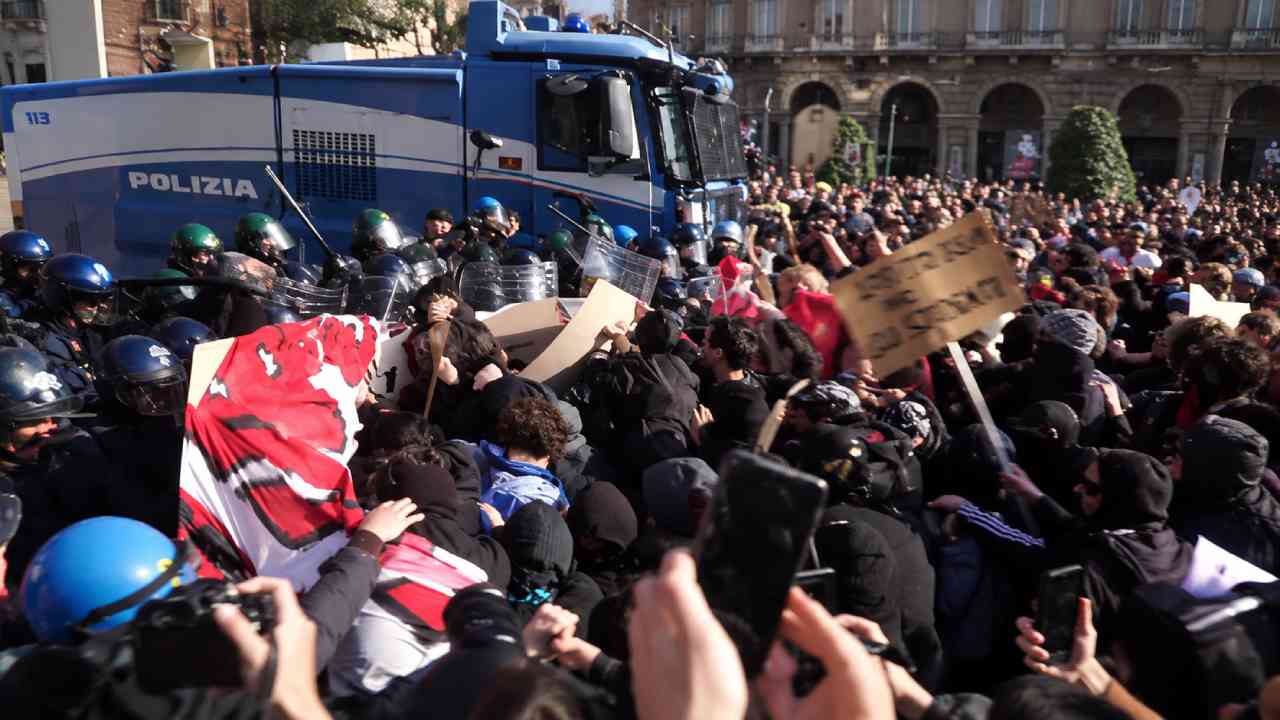
Brivify – Italy Rocked by a nationwide strike as thousands of workers, students, and activists filled streets across the country. The demonstrations on Friday reflected growing frustration over wages, public services, and the rising cost of everyday life. Protesters also challenged higher military spending, arguing that domestic needs deserve greater attention. Rather than remaining concentrated in Rome, the movement reached dozens of Italian cities. That scale gave the protest a distinctly national character. For many participants, the issue was not simply about earning more money. It was also about whether ordinary incomes could keep pace with household expenses. Most demonstrations remained peaceful. However, tension emerged in several cities when groups approached security barriers. The scenes revealed a broader concern that economic pressure is increasingly shaping public debate in Italy.
A 24-Hour Strike Brings Workers Into the Spotlight
The grassroots union Unione Sindacale di Base called for a 24-hour national strike, with demonstrations planned in more than 40 cities. That decision transformed scattered frustration into a coordinated day of action. Workers demanded higher wages and stronger public services. Meanwhile, students and other groups brought their own concerns to the streets. The combination created a movement with several overlapping demands. However, the cost of living remained central to the message. When household expenses rise faster than income, even routine purchases can place greater pressure on family budgets. Therefore, calls for better pay carry more weight during periods of economic uncertainty. The strike also showed how organized labor can turn everyday financial concerns into a wider political conversation. Instead of remaining private problems at home, those concerns became visible across public squares and major streets.
Rome Becomes a Major Stage for the Demonstrations
Rome provided some of the most striking scenes of the day. A large march moved near the Colosseum, bringing the protest into one of the capital’s most recognizable areas. Some demonstrators planned to set up tents and remain through the weekend. As the day continued, however, parts of the demonstration became more tense. Trash containers were placed in roads and set on fire. Later, a large group reportedly attempted to move toward parliament. Police responded by using water cannons to push the crowd away from restricted areas. Eight people were detained after repeated attempts to cross police barriers. Even so, these confrontations represented only one part of the wider demonstration. The larger story in Rome remained the presence of people demanding economic relief, stronger public services, and different government priorities.
Read Also: Toyota Crown Signia GT-S Gives the Family SUV a Wagon Makeover
Turin and Milan See Their Own Moments of Tension
The demonstrations developed differently from city to city. In Turin, police used water cannons when students and left-wing activists approached security barriers near the prefecture building. Milan also witnessed a significant march. Protesters moved toward the city’s ring road before gathering outside Politecnico di Milano. Some carried flares, while several objects were burned during the demonstration. These incidents attracted attention, yet they did not define every protest taking place across Italy. In fact, much of the national action remained peaceful. Still, the confrontations showed how quickly tension can rise when large crowds encounter heavily protected areas. They also highlighted the variety of people participating. Workers, students, activists, and other citizens did not necessarily share identical priorities. Nevertheless, economic pressure gave many of them a common reason to appear in the same streets.
Genoa’s Port Adds Another Dimension to the Protest
Genoa brought a different character to the nationwide movement. Around 15,000 port workers, students, and other demonstrators entered the port area. Their concerns extended beyond domestic living costs. Some protesters opposed the use of ports for weapons shipments. They also drew attention to sailors killed in conflicts stretching from the Gulf region to the Black Sea. This gave the Genoa demonstration a wider geopolitical dimension. Ports play a crucial role in international trade, logistics, and supply chains. Therefore, demonstrations involving port workers can carry both symbolic and economic significance. Similar campaigns against weapons shipments have also appeared beyond Italy. As a result, the Genoa protest connected local economic frustration with international concerns. It showed how one nationwide strike could bring together issues that might initially appear unrelated.
Rising Living Costs Turn Into a Political Pressure Point
Economic frustration often begins quietly. Families adjust spending, delay purchases, or search for cheaper alternatives before dissatisfaction becomes visible in public. However, prolonged pressure can eventually change the political mood. That appears to be an important part of Italy’s current challenge. Protesters are asking whether wages and public support are keeping pace with the realities of daily life. For workers, higher salaries could provide more breathing room. For others, stronger public services could reduce the financial burden carried by households. Consequently, debates over government spending have become increasingly sensitive. Demonstrators opposing greater military expenditure argue that more resources should support domestic priorities. Whether everyone agrees with that position is another matter. Still, the scale of the protests suggests that decisions about public money are being watched closely.
Public Services Become Part of the Cost-of-Living Debate
Wages are only one part of household financial security. Access to reliable public services can also influence how much people must spend from their own pockets. That connection helps explain why protesters combined demands for better pay with calls for improved services. When transportation, education, healthcare, or other public systems become more expensive or less accessible, household pressure can increase. Therefore, the cost-of-living debate extends beyond supermarket prices and monthly salaries. It also involves the quality and affordability of everyday infrastructure. This broader perspective gives the Italian demonstrations greater depth. Protesters are not simply demanding immediate financial relief. Many are also questioning how public resources should be distributed. For policymakers, that creates a difficult balancing act between fiscal priorities, public expectations, and longer-term economic stability.
Italy’s Unrest Reflects a Wider European Pattern
Italy Rocked by protests at a time when public frustration has also appeared elsewhere in Europe. Countries including France, Spain, Belgium, and Albania have experienced demonstrations driven by different political and economic grievances. Each country has its own circumstances, so the movements should not be treated as identical. Even so, rising living costs have repeatedly appeared as a source of concern. This pattern matters because economic pressure rarely stays confined to household budgets. Over time, it can influence trust in institutions and attitudes toward government policy. People may tolerate higher expenses for a period, especially when they believe conditions will improve. However, frustration tends to grow when financial pressure begins to feel permanent. Italy’s nationwide demonstrations fit into that larger European conversation about wages, affordability, public spending, and economic security.
Students Bring a Generational Voice to the Streets
The visible presence of students added another layer to the demonstrations. Young people may not experience economic pressure in exactly the same way as established workers. However, they face their own concerns about education, housing, employment, and future opportunities. Their participation suggests that dissatisfaction extends beyond people currently negotiating salaries. For younger generations, today’s economic environment can shape expectations about the years ahead. Questions about affordable housing or stable employment may influence how optimistic they feel about adulthood. Therefore, student involvement should not be viewed as merely symbolic. It adds a forward-looking dimension to the protests. When workers demand better conditions today and students worry about opportunities tomorrow, the resulting movement can connect immediate financial concerns with broader questions about Italy’s economic direction.
Most Demonstrations Remain Peaceful Despite Flashpoints
Images of burning objects and water cannons can easily dominate attention during large demonstrations. However, focusing only on confrontation can distort the broader picture. Most of the nationwide action was reported to have remained peaceful, despite several tense moments. This distinction matters because tens of thousands of participants cannot be represented by the actions of smaller groups. At the same time, authorities face the difficult task of protecting sensitive locations while allowing legitimate demonstrations to continue. Maintaining that balance becomes harder when crowds attempt to cross security barriers. Previous clashes earlier in the month also added tension to the atmosphere. Consequently, both demonstrators and police entered the latest mobilization with recent confrontations still in memory. The challenge now is preventing isolated incidents from overshadowing the economic concerns that brought so many people into the streets.
Military Spending Emerges as Another Source of Debate
The demonstrations were not limited to wages and household expenses. Opposition to increased military spending also appeared prominently among protesters. This issue reflects a wider debate about national priorities during uncertain times. Governments must balance security commitments with domestic spending demands. Yet for citizens struggling with everyday expenses, large defense budgets can become politically difficult to accept. Protesters therefore connected military expenditure with questions about wages and public services. Their argument was straightforward: more resources should remain focused on domestic needs. Others may disagree, particularly when security concerns are rising internationally. Still, the disagreement itself reveals an important political tension. Economic hardship often makes government budget choices more visible. When people feel financially secure, distant spending decisions may attract less attention. When budgets tighten at home, those same decisions can become deeply personal.
The Pressure May Continue Beyond a Single Strike
A 24-hour strike can disrupt routines and dominate headlines, but the underlying grievances rarely disappear when demonstrations end. Italy now faces the more difficult question of what happens after the streets become quieter. Workers still want stronger purchasing power. Many protesters continue to demand better public services. Meanwhile, disagreements over military spending and economic priorities remain unresolved. Italy Rocked by this nationwide mobilization because several frustrations converged at the same moment. That combination makes the movement more significant than a single labor dispute. The government’s response will matter, but so will the economy’s direction in the months ahead. If households begin to feel greater financial stability, some pressure could ease. However, if living costs remain a persistent concern, similar demonstrations may return. The strike has therefore become both a protest and a warning about the depth of public frustration.



Post Comment