West Bank Violence Draws Global Scrutiny After French Mayor Attacked
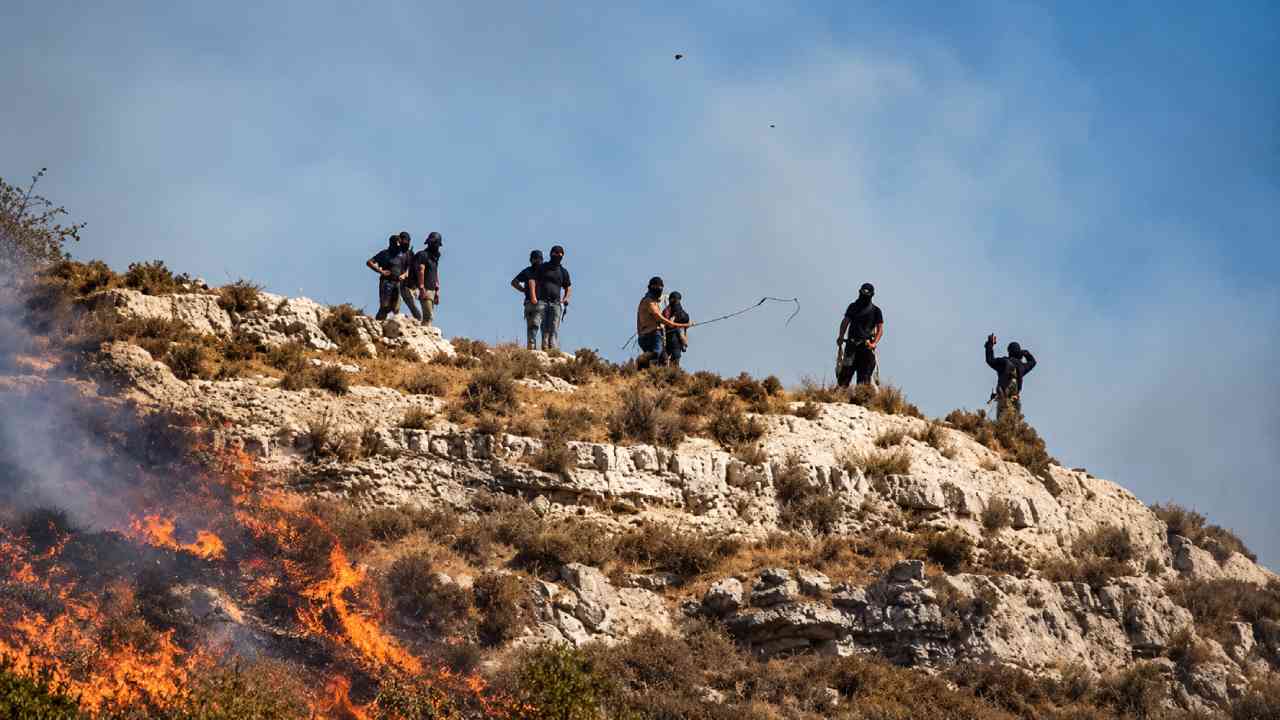
Brivify – A goodwill visit to the occupied West Bank became an international story after violence erupted near Taybeh. Bernard Baudoux, the 78-year-old mayor of Aulnoye-Aymeries in France, had joined Palestinians during the annual olive harvest. He wanted to show solidarity with the local community. However, masked Israeli settlers confronted the group and violence followed. Baudoux said the attackers threw him to the ground. European diplomats were also present during the incident. As a result, West Bank Violence quickly drew attention from governments outside the region. The attack also raised wider questions about safety during the olive harvest. For Palestinian families, this season carries economic and cultural importance. Yet growing tension has made the harvest increasingly dangerous in several areas. What began as a peaceful visit therefore became another example of how local violence can create international consequences.
Read Also: Mercedes-AMG GT SUV: Has the Coupe Finally Met Its Match?
Israeli Police Arrest Ten Suspects After the Attacks
Israeli police announced 10 arrests on October 19 after a pre-dawn operation in the West Bank. Officers searched several locations and seized vehicles and potential evidence. Police said they suspect the detainees of involvement in violence and violations of military orders. Authorities also linked parts of the operation to illegal construction. Police, military forces, and the Shin Bet security service took part. Meanwhile, international pressure had grown after attacks affected foreign citizens and diplomats. The United States urged Israeli authorities to act after the assault on American photojournalist Heidi Levine. France, Belgium, and Poland also demanded action following the attack on European representatives. However, the arrests mark only the first stage of the investigation. Authorities must still establish each suspect’s role. Therefore, attention will now shift toward evidence, possible charges, and the wider legal process.
Olive Harvest Season Becomes a Growing Flashpoint
Olive harvesting supports many Palestinian families across the West Bank. It also carries cultural meaning that reaches across generations. However, the season has increasingly become a flashpoint for violence. Recent incidents have affected farmers, journalists, activists, and international visitors. In some areas, attackers have also damaged agricultural property. These events can disrupt income while creating fear around access to farmland. Moreover, repeated confrontations have changed how outsiders view the harvest season. A tradition built around families and local communities now sits inside a wider security debate. Baudoux had joined the harvest near Taybeh to support Palestinian residents when the confrontation occurred. Therefore, his experience highlighted a problem that local communities say extends beyond one incident. West Bank Violence during the harvest now carries humanitarian, economic, and diplomatic consequences at the same time.
Bernard Baudoux Finds Himself at the Center of the Crisis
Bernard Baudoux did not travel to Taybeh expecting to become part of an international controversy. The French mayor joined residents near the predominantly Christian Palestinian town during their olive harvest. Then masked settlers confronted the group. Baudoux later told Reuters that they violently attacked him and threw him to the ground. Diplomats from France, Belgium, and Poland were also among the visitors. In addition, attackers damaged a Belgian diplomatic vehicle. The presence of foreign officials changed the scale of the incident. European governments quickly demanded accountability from Israeli authorities. Yet the attack also highlighted the experiences of Palestinian residents who regularly work in the same areas. Baudoux’s position brought unusual international visibility to those concerns. Consequently, his goodwill visit became part of a much broader debate about security, law enforcement, and protection in the West Bank.
Heidi Levine’s Assault Adds Another Layer of Concern
A separate attack had already increased international concern one day earlier. Heidi Levine, a veteran American photojournalist, was covering a Palestinian olive harvest near Abu Falah. Masked settlers attacked her during the unrest. Levine suffered serious injuries and needed hospital treatment. She also underwent surgery on an injured finger. Her role as a journalist made the incident especially sensitive. She had traveled there to document events rather than participate in the confrontation. Soon afterward, U.S. Ambassador Mike Huckabee condemned the assault and called for accountability. Israeli President Isaac Herzog also apologized to Levine and criticized the attackers. Then the Taybeh incident followed. Because the two attacks happened within a short period, they intensified scrutiny of West Bank Violence. They also raised concerns about the safety of journalists, diplomats, and other observers working in the area.
International Pressure Grows as Diplomats Demand Action
The attacks quickly triggered reactions outside Israel and the Palestinian territories. France, Belgium, Poland, and the United States called for action. European officials also demanded stronger protection for diplomats and Palestinian civilians. The European Union later condemned attacks by violent settlers and called for full accountability. This pressure matters because attacks involving foreign representatives can quickly affect diplomatic relations. Governments expect their officials to travel safely while performing diplomatic work. At the same time, the international response has brought more attention to Palestinian communities affected by similar violence. Israeli authorities have said they intend to enforce the law regardless of identity or affiliation. Still, foreign governments will likely judge the response by what happens next. Arrests show that an investigation has moved forward. However, prosecutors and investigators must establish responsibility before the legal process can produce clear outcomes.
Read Also: Jalen Hurts Sidelined Indefinitely as Eagles Prioritize His Recovery
Rising Settler Attacks Raise Questions About Prevention
The latest incidents form part of a broader rise in reported settler attacks. Israeli human rights group Yesh Din recorded at least 170 attacks on Palestinians and others since September 27, according to Reuters. Journalists, activists, and foreign observers have also faced violence. These numbers increase pressure on authorities to prevent attacks rather than respond only afterward. Prevention matters especially during the olive harvest, when Palestinian families need regular access to farmland. Violence can interrupt their work and create financial losses. Moreover, repeated incidents can weaken public confidence in law enforcement. Police can investigate individual attacks, but long-term security requires consistent protection. That distinction has become central to the current debate. The 10 arrests may address specific incidents. Yet the larger challenge involves reducing the conditions that allow similar confrontations to happen repeatedly.
Israeli Leaders Face a Difficult Political Moment
The incidents have also entered Israel’s domestic political debate. Foreign Minister Gideon Saar and other Israeli officials condemned violence connected to the attacks. President Isaac Herzog apologized to Levine and said the attackers did not represent Israeli values. Prime Minister Benjamin Netanyahu took a more cautious approach. He said officials still needed to clarify aspects of the incidents. Netanyahu also noted that the diplomatic group had entered a sensitive area without coordinating with the military. His comments came shortly before Israel’s October 27 parliamentary election. Therefore, the controversy carries political consequences as well as security concerns. Opposition figures argue that settler violence harms Israel’s international standing. Meanwhile, international allies continue to demand stronger enforcement. Netanyahu must navigate those pressures while maintaining support among his domestic political base.
Ten Arrests Put Accountability Under a Brighter Spotlight
The 10 arrests have moved the investigation forward, but they have not answered every question. Police must now determine what each suspect did and whether prosecutors have enough evidence for charges. Meanwhile, foreign governments will continue watching the process closely. For Palestinian farmers, the issue reaches beyond one investigation. They want safe access to their land during a season that supports families and communities. Journalists also need enough security to document events without facing physical attacks. Likewise, diplomats expect protection while carrying out official duties. Therefore, the response to West Bank Violence will matter beyond the immediate arrests. A credible investigation could strengthen confidence in law enforcement. However, another cycle of violence without accountability could deepen existing criticism. The next stages of the legal process will show whether these arrests become a turning point or simply another chapter in a continuing crisis.

Post Comment