Macklemore’s Free Palestine Tour Sells Out as Music and Activism Collide
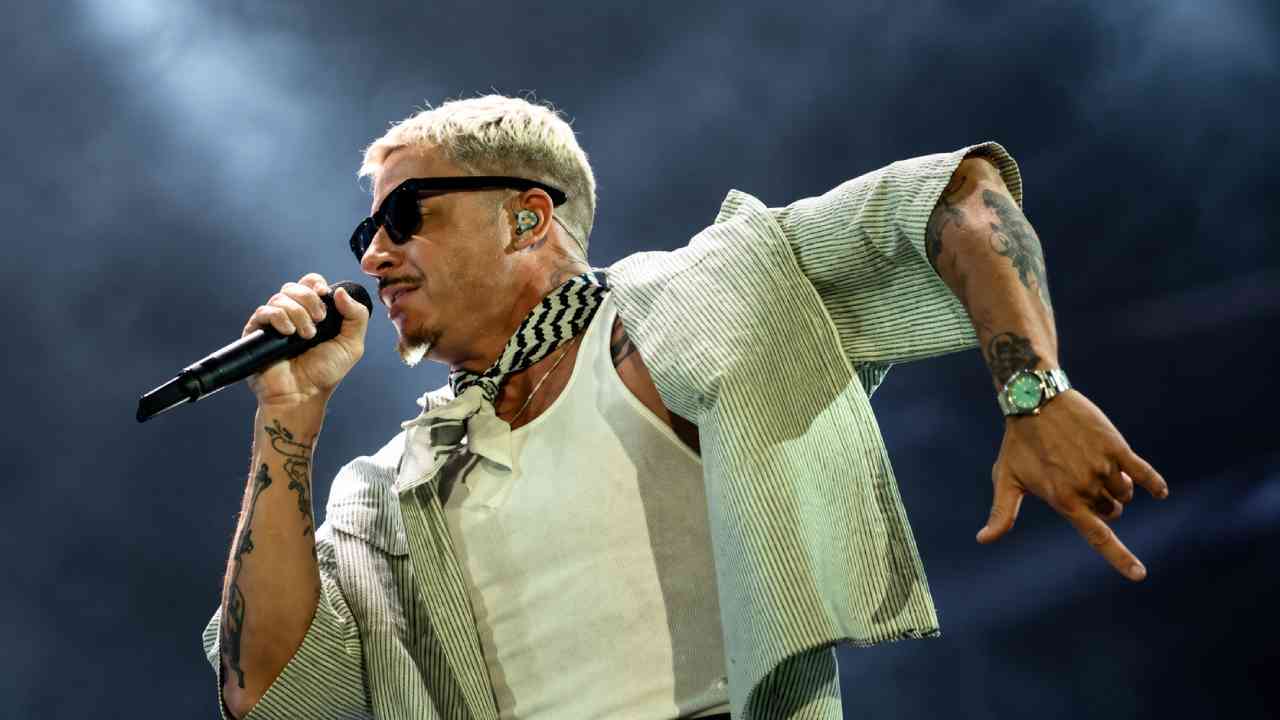
Brivify – Macklemore has turned a turbulent period in his touring career into a new series of live performances. The American rapper says fans quickly bought every available ticket for the first three European dates of his Free Palestine tour. Dublin, Paris, and London will host the concerts in late October 2026. Moreover, the shows will raise funds for organizations that support Palestinians. The strong response gives Macklemore’s Free Palestine project an eye-catching opening chapter. Macklemore has positioned the concerts around music, humanitarian fundraising, and solidarity rather than a conventional tour format. That combination has clearly attracted attention. At the same time, the tour arrives after weeks of debate surrounding his departure from Ed Sheeran’s U.S. tour. As a result, these new concerts carry a meaning that extends beyond ticket sales.
Read Also: Meet the GT-K44, a Porsche 944 with Shooting Brake Style
Three European Cities Launch the New Tour
The first European run remains compact but ambitious. Macklemore will start at Dublin’s 3Arena on October 26. He will then travel to Paris for an October 29 concert at Accor Arena. Finally, London’s OVO Arena Wembley will host the third show on October 30. Macklemore has also indicated that more cities could join the schedule. In addition, organizers plan to reveal other participating artists. Therefore, these three concerts appear to represent the opening stage of a larger project. The short schedule also gives the tour a focused identity. Each event connects live entertainment with fundraising for Palestinian causes. For fans, buying a ticket can carry another meaning beyond seeing a favorite performer. Meanwhile, Macklemore gains an independent platform after the controversy that changed his previous touring plans.
The Project Followed a Major Touring Controversy
The story behind Macklemore’s Free Palestine concerts began before the European announcement. During a September performance on Ed Sheeran’s Loop Tour, Macklemore made pro-Palestinian remarks from the stage. He later lost his place on the remaining U.S. dates. Tour promoter Messina Touring Group said venue owners had objected to hosting events that included him. The decision quickly sparked a wider discussion about artistic expression, venue policies, and political advocacy. Macklemore argued that his support for Palestinians caused the change. Robert Kraft, whose Kraft Group operates Gillette Stadium, criticized Macklemore’s rhetoric and explained his objections publicly. Macklemore, however, has rejected accusations of antisemitism. Therefore, the dispute involves sharply different interpretations of his statements. It also highlights the complicated relationship between artists, promoters, venue operators, and political expression.
Macklemore Turned a Setback Into a Separate Project
Losing major stadium appearances could have forced Macklemore into a long pause. Instead, he chose another direction. He announced his own concert project around an issue that already shaped the public conversation surrounding him. That decision changed the story. Macklemore’s Free Palestine tour became more than a replacement schedule. It created an independent platform where his political advocacy and music could share the same stage. Furthermore, Macklemore said his team assembled the concerts quickly through a community-focused approach. He also expressed surprise at the strong ticket response. His wider message focuses on musicians using their platforms to support causes and raise money. Audiences may hold different opinions about his political statements. However, the early ticket demand clearly shows substantial interest in these specific concerts.
Music and Activism Now Share the Same Stage
Musicians have used their art to address political and social issues for generations. However, modern touring makes that relationship more complex. Artists now work within networks of promoters, venues, sponsors, audiences, and digital platforms. Consequently, one statement on stage can reach millions of people within hours. Macklemore’s experience illustrates this reality. His comments triggered international discussion, while his departure from Sheeran’s tour generated another wave of attention. The new concerts represent his response to that environment. They also show how artists can connect public advocacy with fundraising. In this case, Macklemore plans to direct proceeds toward organizations supporting Palestinians. Therefore, the performances combine entertainment with a clear humanitarian and political message. That approach can attract strong support while also creating criticism. For this reason, the tour continues to receive attention far beyond traditional music coverage.
Ed Sheeran Addressed His Role in the Dispute
Ed Sheeran also entered the public discussion. However, he said he did not make the decision to remove Macklemore. Sheeran explained that Macklemore had an agreement with the tour promoter. Venue operators objected to the rapper’s participation in later shows, which complicated the remaining schedule. Other musicians also reacted to the controversy. Finneas, Lukas Graham, Aaron Rowe, and Beoga later withdrew from upcoming Loop Tour dates. Still, readers should avoid assuming that every artist acted for exactly the same reason without examining their individual statements. The broader result remains clear. Macklemore’s remarks developed into a much larger conversation across the music industry. Meanwhile, Sheeran later addressed the humanitarian dimensions of the Israel-Gaza conflict publicly. Thus, the controversy pushed several musicians and industry figures to explain their positions more openly.
Sold-Out Shows Show Demand but Need Context
A sold-out tour naturally creates a powerful headline. Still, context matters. Macklemore’s Free Palestine project currently includes three announced European performances rather than dozens of international dates. Selling every available ticket demonstrates strong demand for these concerts. However, ticket sales cannot reveal the political views of every person attending. Fans can have many reasons for buying tickets. Some may strongly support the fundraising mission. Others may primarily enjoy Macklemore’s music. Many could value both elements. Therefore, it would be misleading to treat the sales figures as a measurement of wider public opinion about the Israel-Palestine conflict. A simpler interpretation still carries significance. Macklemore announced three major European concerts, and fans quickly filled the available capacity. That gives his new project considerable early momentum without requiring assumptions about the beliefs of every attendee.
Read Also: Gabby Williams Finds Her Stride by Staying Hungry and Believing in Herself
Fundraising Adds Another Purpose to the Concerts
Fundraising gives the shows another dimension. Macklemore intends to use proceeds to support organizations working with Palestinians. Therefore, the project connects live entertainment with a practical fundraising goal. The rapper has also linked his previous touring income with support for Palestinian causes. This approach turns the concert stage into more than a place for political statements. Instead, it gives audiences a way to participate financially through an entertainment event. That structure helps explain why Macklemore’s Free Palestine project has attracted attention from music and international news outlets. The tour sits at the intersection of entertainment, activism, and humanitarian fundraising. At the same time, transparency remains important for any benefit concert. Clear information about beneficiary organizations helps audiences understand how organizers intend to use the money. It also separates the fundraising structure from the broader political debate surrounding the performances.
The Debate Raises a Bigger Question for Modern Artists
Macklemore’s situation raises a broader question. What happens when an artist’s political expression conflicts with the interests of venues, promoters, or parts of the audience? Musicians can use their platforms to advocate for causes. Meanwhile, promoters and venue operators also make decisions about the events they host. Those interests may coexist until a controversial statement creates tension between them. In Macklemore’s case, the dispute changed his touring schedule and encouraged him to launch another project. Consequently, the disagreement did not end the conversation. Instead, it moved that conversation to different stages. Modern musicians no longer communicate only through songs and interviews. Concerts and social media can quickly become platforms for political expression. However, that visibility can also bring professional, commercial, and public consequences. Macklemore’s experience offers a clear example of how quickly those worlds can collide.
Macklemore’s Free Palestine Tour Starts With Momentum
For now, Macklemore’s three European concerts have generated strong ticket demand. Dublin, Paris, and London will provide the first look at how the project develops on stage. Organizers also expect additional musicians to join the initiative, while future cities could expand the tour beyond Europe. Therefore, the story remains open. What started as controversy around Macklemore’s departure from Ed Sheeran’s tour has developed into an independent series of benefit concerts. Macklemore’s Free Palestine project now combines music, fundraising, and explicit political advocacy. Its early ticket success does not settle the wider debates surrounding artistic expression or the Israel-Palestine conflict. However, the response shows that Macklemore has found a substantial audience for this project. Its longer-term impact will depend on future dates, participating artists, funds raised, and the organizations that ultimately receive support.


Post Comment