Alexander Zverev Reaches US Open Round of 16 After Beating Alejandro Tabilo
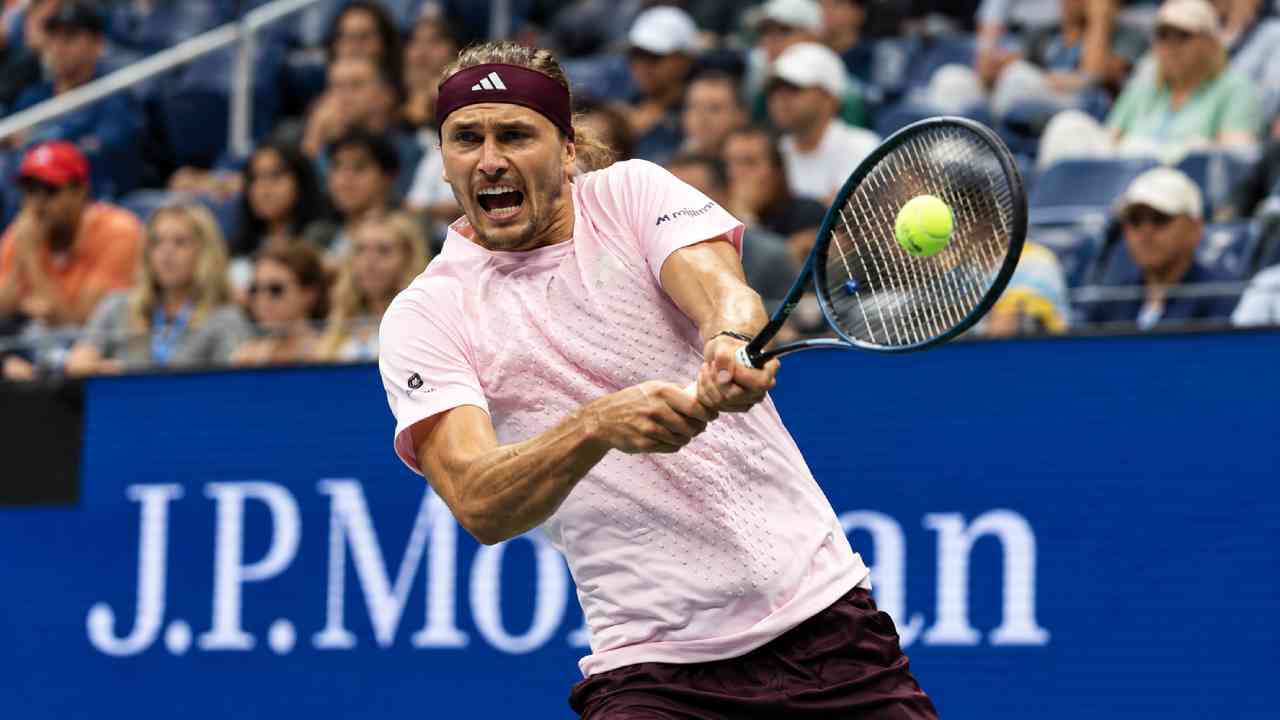
Brivify – Alexander Zverev secured his place in the US Open 2026 Round of 16 after defeating Alejandro Tabilo in straight sets. The German controlled much of the contest and completed a 6-2, 7-6(2), 6-2 victory. More importantly, the result gave Zverev a shorter night after two demanding five-set matches earlier in the tournament. Tabilo raised his level during the second set and created genuine pressure. However, Zverev stayed composed when the set became tight. He then regained control and finished the match without allowing his opponent to force another long battle. For a player hoping to make a deep Grand Slam run, that efficiency matters. Zverev advanced, but he also avoided spending unnecessary energy before the second week of the tournament.
Read Also: Polestar 4 SUV Looks More Like a Lifted Electric Estate
A Fast Opening Set Gives Zverev Early Control
Zverev entered the match with clear intent and quickly established his rhythm. His serve provided a reliable foundation, while his aggressive baseline play prevented Tabilo from settling comfortably into longer exchanges. As a result, the German took the opening set 6-2. The score also reflected how effectively he managed the early stages of the contest. Instead of allowing the match to become complicated, Zverev kept points under control and maintained pressure from the baseline. Tabilo tried to change the tempo, yet he struggled to create enough opportunities to disrupt his opponent. The opening set became particularly important because Zverev had already spent considerable time on court during the previous rounds. Therefore, an efficient start was exactly what he needed. It allowed him to dictate the direction of the match rather than chase it.
Alejandro Tabilo Pushes Back in a Tense Second Set
The second set brought a much tougher challenge. Tabilo became more aggressive and found better ways to pressure Zverev during important rallies. Consequently, the match developed into a far closer contest than the opening set suggested. Tabilo even created two set-point opportunities, giving him a real chance to level the match. Zverev, however, responded with patience under pressure. He protected the crucial points and eventually forced the set into a tiebreak. Once there, the momentum shifted sharply. Zverev played with greater authority and won the tiebreak 7-2. That sequence became the defining moment of the match. Had Tabilo converted one of his earlier opportunities, the contest might have developed very differently. Instead, Zverev escaped the danger and moved within one set of victory.
Alexander Zverev Shows His Composure When It Matters
Grand Slam matches often turn on a handful of points, and Alexander Zverev handled those moments effectively against Tabilo. The second set offered the clearest example. Rather than becoming frustrated when his opponent improved, Zverev remained focused on the next point. That approach helped him survive the set points and take control of the tiebreak. Moreover, his response showed why mental discipline becomes increasingly important during the later stages of a major tournament. Players rarely dominate every set from beginning to end. Instead, contenders must find solutions when their best tennis temporarily disappears. Zverev did exactly that. He did not need a flawless performance to maintain control of the match. In my view, this ability to manage difficult moments may prove more valuable than winning an easy set, especially as the level of opposition rises.
The Third Set Shows a Clear Shift in Momentum
After winning the second-set tiebreak, Zverev carried that momentum into the third set. Tabilo had produced his best stretch of tennis but received no reward for it. Meanwhile, Zverev appeared increasingly comfortable. The German returned to the patterns that worked well during the opening set and kept his opponent under consistent pressure. Eventually, he closed the third set 6-2 and completed the straight-sets victory. The final set highlighted an important feature of elite tennis: missed opportunities can quickly change the emotional balance of a match. Tabilo came close to leveling the contest, yet he suddenly found himself two sets behind. Zverev took advantage of that shift rather than allowing his opponent another route back. Therefore, the third set became less about surviving pressure and more about finishing the job with authority.
A Straight-Sets Win Could Help Later in the Tournament
The scoreline carries extra significance because Zverev endured two five-set matches before facing Tabilo. He needed five sets to overcome Lorenzo Sonego and then survived another lengthy battle against Quentin Halys. Together, those matches kept him on court for more than nine hours. Consequently, reducing his workload against Tabilo could become valuable during the next phase of the US Open. Grand Slam tournaments test recovery as much as shot-making. Players compete across two weeks, and physical fatigue can accumulate even when they feel strong early in the event. A three-set victory offers more time for rest, treatment, practice, and preparation. Of course, one shorter match does not erase the physical demands of the earlier rounds. Nevertheless, it gives Zverev a better opportunity to recover before another difficult challenge arrives.
Luciano Darderi Awaits in the Round of 16
Zverev will next face Italian player Luciano Darderi, who advanced after defeating Dane Sweeny 6-4, 6-3, 6-3. The matchup creates another test for the German as the tournament enters its second week. At this stage, rankings and expectations matter less than execution on court. Darderi has already shown enough consistency to reach the fourth round, so Zverev cannot afford to approach the contest casually. However, the victory over Tabilo gives him positive momentum. His serve held up during important moments, while his ability to escape danger in the second set demonstrated composure. Furthermore, the straight-sets result should leave him fresher than another marathon match would have. Zverev will still need to reset mentally. Every Grand Slam round creates a new problem, and success in the previous match offers no automatic protection in the next one.
Alexander Zverev Keeps His US Open Ambitions Alive
For Alexander Zverev, reaching the Round of 16 represents another step toward a larger goal. He has previously experienced the pressure of the closing stages in New York, including his run to the US Open final in 2020. Therefore, he understands how quickly a Grand Slam can change once the field becomes smaller. His performance against Tabilo offered several encouraging signs. He started quickly, survived the most dangerous period of the match, and finished strongly. Still, tougher challenges may appear as the tournament progresses. The margins also become smaller against players who convert opportunities more efficiently. That makes Zverev’s response to Tabilo’s second-set pressure particularly relevant. Rather than allowing one difficult period to reshape the entire match, he regained control. That ability could become essential if he hopes to remain in contention deep into the second week.
Read Also: Stella Parton Shares Emotional Message After Losing Sister Dolly Parton
Efficiency Becomes Increasingly Important at a Grand Slam
Winning is always the priority, but how a player wins can influence what happens next. Long matches create physical stress, especially when they happen repeatedly. Therefore, Zverev’s straight-sets victory arrived at a useful moment. He had already demonstrated his endurance in the opening rounds. Against Tabilo, he showed that he could also finish a match efficiently. This balance between resilience and control is often important during a Grand Slam campaign. A player cannot predict when a five-set battle will happen, so conserving energy whenever possible can make a difference later. Moreover, mental fatigue deserves attention alongside physical fatigue. Spending fewer hours under competitive pressure can provide valuable recovery time. Zverev now enters the Round of 16 with another victory behind him and, importantly, without another exhausting five-set contest added to his tournament workload.
Tabilo Leaves After Making the Second Set Competitive
Although the final score favors Zverev clearly, Tabilo had opportunities to change the direction of the match. His strongest period came in the second set, when he pushed the German into a tiebreak and earned two set points. Those chances showed that the contest was not completely one-sided. However, Grand Slam matches often punish missed opportunities. Once Zverev escaped and dominated the tiebreak, Tabilo faced a much steeper challenge. Even so, his second-set resistance forced Zverev to produce his best tennis at critical moments. That added competitive value to the match for both players. Tabilo could not extend the contest, but he demonstrated that he could trouble a leading opponent when he found his rhythm. Ultimately, Zverev’s greater consistency during the decisive points separated the two players and determined who moved into the next round.
The Second Week Brings a Different Kind of Pressure
Reaching the Round of 16 changes the atmosphere of a Grand Slam campaign. The trophy remains several matches away, yet every victory begins to feel more significant. Zverev now has to balance confidence with caution. His victory over Tabilo gives him reasons to feel positive, especially after the demanding opening rounds. However, looking too far ahead can become a distraction. The immediate task is Darderi, not a potential semifinal or final. This is where experience can help. Zverev knows the intensity that comes with competing deep into the US Open. Therefore, his challenge is to maintain the same point-by-point discipline that carried him through the difficult second set against Tabilo. If he can combine that composure with efficient serving and controlled aggression, his run in New York has room to continue.



Post Comment