Stella Parton Shares Emotional Message After Losing Sister Dolly Parton
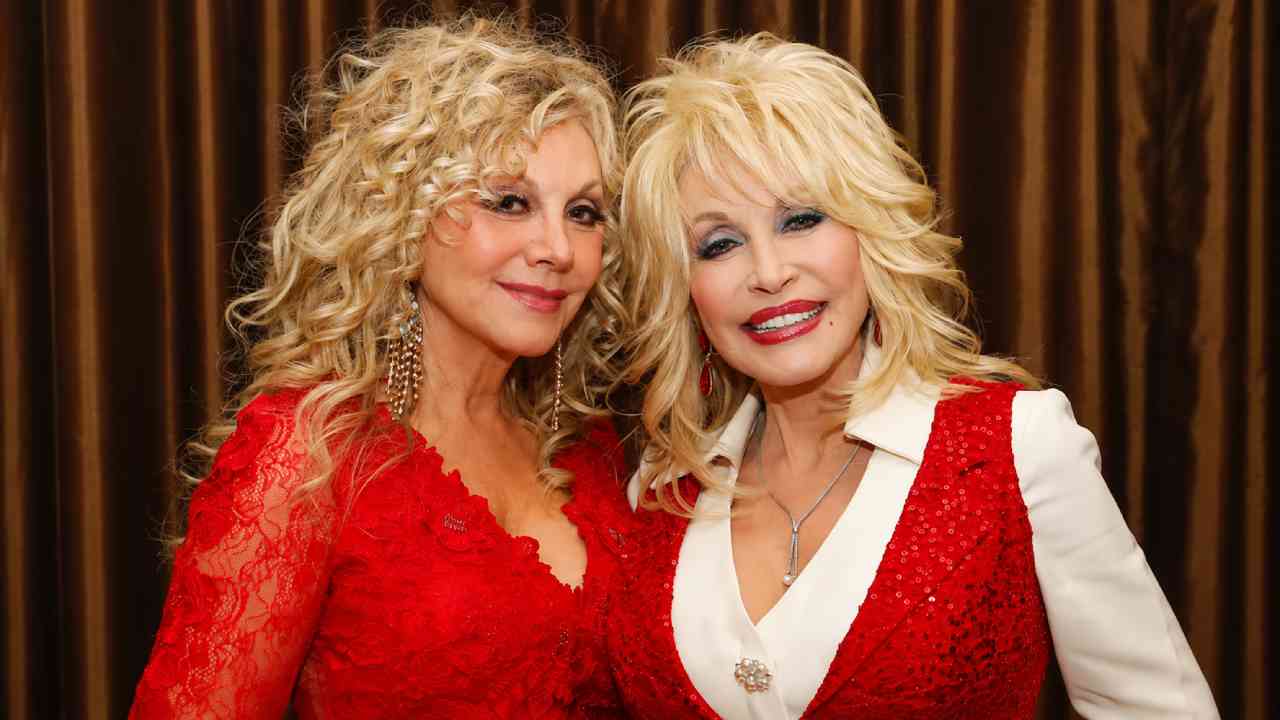
Brivify – Stella Parton Shares an emotional reflection as her family continues to mourn the loss of her sister, Dolly Parton. Ten days after Dolly’s death, Stella thanked people who had offered genuine support to the family. At the same time, she acknowledged that grief does not follow one universal pattern. Every family member, she explained, must process the loss personally. Dolly died on August 25, 2026, at age 80 after a brief battle with cancer. Stella later addressed her grief publicly on September 4. Her message carried sadness, but it also emphasized patience, kindness, and respect. Rather than focusing only on her own pain, Stella encouraged people to think about how they respond when others experience loss. The message feels especially meaningful because Dolly spent decades connecting with audiences through music, humor, and warmth. For Stella, honoring her sister now appears to involve protecting those same values while the family adjusts to life without her.
Read Also: Polestar 4 SUV Looks More Like a Lifted Electric Estate
Grief Looks Different for Every Member of the Parton Family
One of Stella’s clearest points centered on the personal nature of grief. She explained that her family would eventually be okay, although each person would grieve differently. That simple observation gives her message a deeply human quality. Celebrity families often experience loss under intense public attention. However, fame does not make private grief easier or more predictable. Behind familiar names are siblings, relatives, and loved ones dealing with the same emotional realities experienced by other families. Stella’s words also resist the expectation that grief should follow a visible timeline. Some people speak openly, while others need privacy. Moreover, feelings can change from one day to another. Her perspective reminds audiences that there is no single correct way to mourn someone important. In this case, the family’s public profile makes that personal process even more complicated because outside commentary can enter a moment that would otherwise remain private.
Public Attention Has Added Another Layer to the Family’s Loss
Stella also addressed the pressure that comes with living a public life. According to her, the family has faced insensitivity from strangers while dealing with Dolly’s death. She specifically pointed to misleading online material, including AI-generated content, as part of the problem. The concern reflects a wider challenge surrounding celebrity deaths in the digital era. News travels almost instantly, but false claims can spread just as quickly. Meanwhile, emotionally charged events often attract speculation and provocative commentary. For grieving relatives, separating genuine support from misinformation can become exhausting. Stella’s comments therefore extend beyond one celebrity family. They raise a broader question about how audiences participate in public conversations surrounding death. Curiosity is understandable when a globally recognized figure dies. Nevertheless, basic respect should remain more important than engagement, viral posts, or clever remarks. In my view, that distinction is one of the strongest themes in Stella’s message.
Stella Wants Compassion to Replace Online Negativity
Instead of simply criticizing negative behavior, Stella offered a clear alternative: compassion and wisdom. She encouraged people to approach others with greater tolerance and respect. That message shifts the conversation away from celebrity gossip and toward personal responsibility. Social media can make immediate reactions feel necessary. Yet not every thought needs to become a public comment, especially when a family is grieving. Furthermore, digital platforms can remove much of the emotional distance that once existed between celebrities and audiences. Fans can now respond directly to relatives, friends, and public figures within seconds. This accessibility can create meaningful support, but it can also amplify cruelty. Stella’s appeal highlights that contrast. Her words suggest that the way people communicate matters just as much as what they choose to say. Compassion, in this context, becomes more than sympathy. It becomes a conscious decision to avoid adding unnecessary pain to someone else’s difficult moment.
Dolly Parton’s Positive Influence Remains Central to Stella’s Message
While discussing grief, Stella repeatedly returned to the qualities she associated with Dolly. She described her sister as a positive influence and highlighted the kindness and tolerance that shaped her relationship with the public. Dolly’s music reached audiences across generations, but her appeal extended beyond individual songs. Her humor, generosity, and approachable personality became central parts of her public image. Stella suggested that those qualities offer a better way to remember her than online arguments or misinformation. This point gives the message a forward-looking tone. Grief naturally focuses attention on what has been lost. However, remembrance can also focus on what a person leaves behind. For Stella, Dolly’s influence appears closely connected with the way she treated other people. Therefore, fans who want to honor her can reflect those values in their own behavior. That approach transforms remembrance from passive nostalgia into something more personal and meaningful.
Dolly’s Relationship With Fans Shaped Her Public Life
Dolly Parton maintained an unusually broad connection with audiences throughout her career. Stella noted that her sister loved her fans and the public. She also said Dolly sometimes avoided expressing opinions on divisive subjects because she understood how quickly negativity could consume positive energy. That approach helps explain why Dolly connected with people from many different backgrounds. She could be recognizable and outspoken as an entertainer while remaining careful about conversations that might unnecessarily divide her audience. Moreover, her personality often balanced confidence with warmth. Stella’s reflection suggests that this was not simply a public relations strategy. Instead, she viewed positivity as an important part of Dolly’s character. In the days following such a significant loss, that detail adds context to Stella’s request for compassion. She is not asking audiences to adopt an unrelated ideal. Rather, she is asking them to remember a quality she believes her sister demonstrated throughout her life.
Read Also: Philippine Court Issues Arrest Warrant for VP Sara Duterte
The Message Shows the Difficult Side of Mourning a Global Celebrity
When a famous entertainer dies, millions of people may experience a genuine sense of loss. Their songs, films, interviews, or performances can become connected to personal memories. However, relatives experience that loss from a very different position. They are mourning a sister, parent, partner, or friend rather than only a cultural figure. Stella’s message illustrates the tension between these two experiences. Public mourning can provide comfort because it demonstrates how widely someone was loved. At the same time, constant attention can make private grief harder to navigate. False information adds another complication. Therefore, respectful boundaries become particularly important. Fans can celebrate an artist’s legacy without treating every family moment as public property. Stella’s remarks offer a useful reminder of that balance. Her family recognizes the enormous affection surrounding Dolly, yet they still need space to experience a deeply personal loss on their own terms.
Stella’s Words Turn Personal Grief Into a Wider Call for Kindness
What makes Stella’s reflection particularly powerful is its movement from personal pain toward a broader social message. She could have spoken only about losing her sister. Instead, she encouraged people to consider tolerance, respect, and compassion in everyday life. This choice gives her words relevance beyond the immediate circumstances. Online communication often rewards speed, outrage, and strong reactions. Compassion usually requires the opposite approach. It asks people to slow down, consider context, and remember that real individuals exist behind public stories. Consequently, Stella’s message feels timely in a digital environment filled with rapidly generated content. It also creates a meaningful connection to the values she associates with Dolly. Rather than allowing negativity to dominate the conversation, Stella redirects attention toward kindness. That does not remove the family’s grief. However, it gives audiences a constructive way to respond to it.
Remembering Dolly Through Respect May Be Stella’s Most Important Request
Ultimately, Stella Parton Shares more than an update about how her family is coping. Her message asks audiences to think carefully about the kind of legacy they help create around Dolly Parton. Tributes can celebrate music, career achievements, and unforgettable performances. Yet Stella appears equally interested in preserving her sister’s spirit of tolerance and kindness. That distinction gives the tribute emotional depth. A celebrity legacy does not survive only through awards, recordings, or photographs. It also continues through memories and the values people associate with that person. Therefore, Stella’s appeal feels less like a conventional statement and more like an invitation. Fans can remember Dolly by choosing compassion over cruelty and respect over unnecessary negativity. In a period filled with sadness, that may be one of the most meaningful ways to honor the woman Stella knew not simply as an icon, but as her sister.



Post Comment