Former Heerenveen Boss Questions Mees Hilgers Move After Twente Fallout
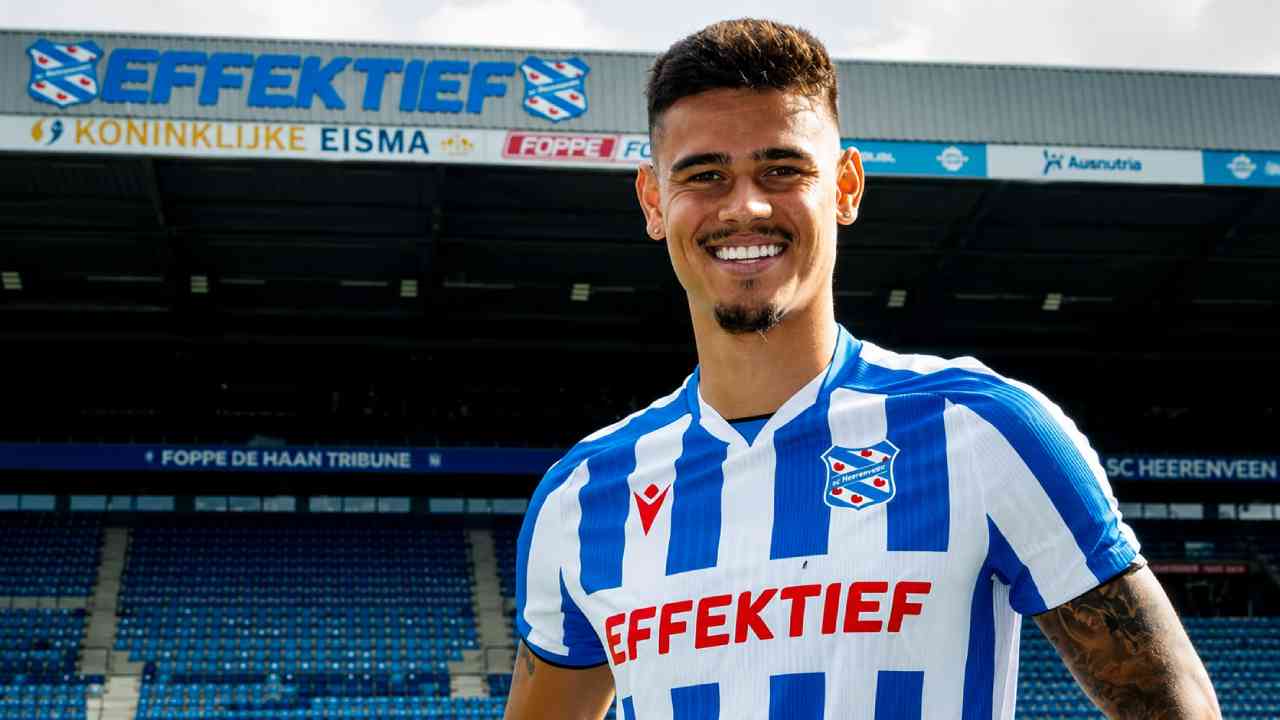
Brivify – Former Heerenveen coach Gertjan Verbeek has questioned Mees Hilgers’ move to SC Heerenveen after the defender’s difficult final chapter at FC Twente. His reaction adds another layer to a transfer that could otherwise represent a fresh start for the 25-year-old. Verbeek’s concerns focus less on Hilgers’ football ability and more on his previous situation at Twente. The disagreement between player and club became a major talking point after contract discussions broke down. Eventually, Hilgers left that complicated period behind and continued his career with Heerenveen. However, Verbeek believes the events at Twente deserve attention. His strong connection with Heerenveen also gives his comments extra context. Rather than viewing the transfer only through sporting potential, he appears to judge whether Hilgers can become a reliable part of the team environment.
Read Also: Toyota GR Yaris vs VW Golf GTI: Which Hot Hatch Wins?
Gertjan Verbeek Has Deep Connections With Heerenveen
Verbeek is not simply an outside observer commenting on the club. His relationship with Heerenveen stretches across different stages of his football career. He spent around a decade there as a player from 1984 until 1994. Later, he returned to lead the team as head coach between 2004 and 2008. Therefore, his attachment to the club goes beyond ordinary professional experience. He understands its culture from both the dressing room and technical area. That history helps explain why Hilgers’ arrival attracted his attention. Nearly two decades have passed since Verbeek coached Heerenveen, yet he continues to follow developments around his former club. His criticism may sound unusually sharp, but it comes from someone who has invested a large part of his football life in Heerenveen. Even so, past experience does not necessarily predict how a new signing will perform in a different environment.
The Twente Fallout Still Shapes the Conversation
Hilgers’ final period at Twente provides the background to Verbeek’s concerns. The defender and the club faced tension after discussions about his contract reached a difficult stage. Twente then removed Hilgers from its regular plans after he declined to extend his deal. The situation eventually drew attention from the Dutch players’ association. As a result, the dispute became more than a routine transfer story. It raised questions about contracts, communication, and the relationship between clubs and players. From Hilgers’ perspective, moving elsewhere offered a chance to close that chapter. For Heerenveen, meanwhile, the transfer created an opportunity to add an experienced Eredivisie defender. Yet Verbeek has not separated the player from the controversy surrounding his Twente exit. Instead, he views those events as relevant when judging what Heerenveen may expect from its new arrival.
Verbeek Questions Hilgers’ Reliability After Twente Dispute
Verbeek delivered his strongest criticism when discussing Hilgers’ conduct during the Twente situation. Speaking to VoetbalPrimeur, he questioned the defender’s reliability and criticized the communication involving Hilgers and his representative. He also referred to reports surrounding the player’s absence from the team environment. Those details appear central to Verbeek’s opposition to the move. In his view, reliability matters just as much as football quality when a club builds a competitive squad. That argument has some logic because teams depend on trust inside the dressing room. However, disputes rarely have only one perspective. Contract negotiations can become complicated, especially when a player and club have different plans. Therefore, judging Hilgers solely through the final months at Twente may not provide the complete picture. His behavior and performances at Heerenveen will ultimately offer stronger evidence about how he responds to a new environment.
The Afonso Alves Comparison Adds History to Verbeek’s Criticism
Verbeek also compared Hilgers with Afonso Alves, a player he previously coached at Heerenveen. Alves became one of the Eredivisie’s most memorable scorers during his time in Friesland. However, the Brazilian’s later relationship with the club became complicated before his eventual departure. By mentioning Alves, Verbeek connected the current situation with an experience from his own coaching career. The comparison appears to focus on trust and conduct rather than playing style. After all, Alves was a prolific striker, while Hilgers operates in defense. Their football profiles are completely different. Still, Verbeek seems concerned about seeing another talented player arrive with questions surrounding his relationship with a former club. Whether that comparison proves fair remains uncertain. Football careers can change quickly after a transfer, and a difficult episode at one club does not always follow a player into the next dressing room.
Heerenveen Offers Hilgers a Chance to Reset His Career
A transfer can do more than change the badge on a player’s shirt. It can also provide emotional and professional distance from an uncomfortable situation. For Hilgers, joining Heerenveen creates that possibility. Instead of repeatedly discussing contract tension at Twente, he can redirect attention toward training and match performances. The opportunity looks important because defenders often benefit from stability and regular playing time. Confidence also matters when building partnerships across the back line. Therefore, a positive start could quickly reshape the narrative around him. Supporters may initially remember the controversy, but consistent performances tend to change conversations in football. Hilgers does not need to answer every criticism publicly. Instead, his strongest response can come through professionalism, availability, and dependable displays. If he delivers those qualities, the Twente fallout may gradually become background rather than the defining story of his career.
Heerenveen Must Judge the Player They Have Now
Football recruitment always involves some degree of risk. Clubs evaluate technical ability, physical condition, personality, tactical suitability, and previous behavior. However, they must also decide how much weight to place on past disputes. Heerenveen now faces that balance with Hilgers. His experience in Dutch football gives him a useful foundation, while his defensive qualities could strengthen the squad. At the same time, the club will want a player who commits fully to its sporting project. That expectation applies to every signing, not only Hilgers. The important question is whether Heerenveen believes the circumstances at Twente represent a lasting concern or a difficult episode that has already ended. From a sporting perspective, the best evaluation will happen over time. Training habits, communication, match performances, and relationships with teammates will reveal far more than speculation surrounding his arrival.
Read Also: Katie Holmes Shares Sweet Birthday Moment With Jason Bard Yarmosky
Hilgers Can Change the Narrative Through Consistency
Football provides players with regular opportunities to rewrite public perception. One strong match will not erase months of controversy, but consistent behavior can gradually change the story. Hilgers now controls several important parts of that process. He can train professionally, remain available, communicate clearly, and perform when selected. Those actions may sound simple, yet they carry significant weight after a difficult club dispute. Moreover, Heerenveen supporters will likely care most about what he contributes in their shirt. If Hilgers becomes dependable at the back, questions about Twente may lose relevance. On the other hand, any new conflict could bring Verbeek’s comments back into focus. That makes this stage of Hilgers’ career particularly interesting. He does not need perfection. He needs stability. In professional football, a long run of reliable performances often speaks louder than arguments surrounding a previous transfer.
Verbeek’s Criticism Creates Extra Pressure Around the Transfer
High-profile criticism can place additional attention on a player before he has fully settled. Every mistake may receive more scrutiny, while every absence can invite questions. However, that pressure can work in two directions. Hilgers could allow the criticism to become a distraction, or he could use his new environment as motivation. Heerenveen also has a role in managing the situation. Clear communication between the coaching staff and player can prevent outside narratives from dominating daily work. Meanwhile, supporters will form their own opinions once they see Hilgers on the pitch. Verbeek’s history with the club gives his words significance, but he no longer determines Heerenveen’s football decisions. The current staff must evaluate Hilgers based on what they see now. Ultimately, modern football moves quickly. A few months of strong performances can transform a controversial arrival into a transfer that suddenly looks smart.
A Fresh Start Could Become Hilgers’ Best Response
The debate surrounding Mees Hilgers will not disappear immediately, especially after such direct criticism from a Former Heerenveen coach. Nevertheless, his move creates a clear dividing line between the past and what comes next. The Twente dispute remains part of his career story, but it does not have to define the next chapter. Verbeek has explained why he remains skeptical, and his connection with Heerenveen makes that opinion noteworthy. Still, football provides a straightforward way to test those concerns. Hilgers now has to show how he works, communicates, and performs within his new team. If he becomes a dependable defender, the discussion will naturally shift toward football. That is why the coming period matters more than another exchange of opinions. For Hilgers, consistency at Heerenveen could become the clearest answer to doubts that followed him from Twente.



Post Comment